
Best Cheap Car Insurance Companies — California
Free to compare
Which Carriers Write the Best Multi-Car Policies in California
You own two or more vehicles, you need one policy covering all of them, and you want the carrier that balances competitive pricing with coverage you can trust when one of California's 20.4% uninsured motorists hits your car. The multi-car discount exists at every major carrier, but the discount size means nothing if the base rate is inflated or the uninsured-motorist coverage caps too low to cover your actual loss.
California requires $15,000 property damage and $30,000 per person bodily injury minimum liability, but does not mandate uninsured-motorist coverage. That gap matters when one in five drivers on the road carries no insurance. The carriers below write multi-vehicle policies in California, offer online quotes, and maintain strong financial ratings. The comparison frame that follows names what separates them for households insuring multiple cars.
“A multi-car discount on a high base rate can cost more than no discount on a competitive base rate.”

Check Your Rate Against Other California Drivers
Get My California Car Insurance Quote20.4%
California Uninsured Motorist Rate
One in five California drivers operates without insurance, the third-highest uninsured rate in the nation. Multi-vehicle households face compounded exposure: more cars mean more collision opportunities with uninsured drivers.
Insurance Information Institute, 2023
The Multi-Car Discount Requires Same-Policy Placement
The multi-car discount applies when every vehicle you own sits on the same policy, issued to the same named insured, and garaged at the same address. Two separate policies—even with the same carrier—do not qualify. A vehicle titled to a household member on their own policy does not count toward your multi-car discount, and a car garaged at a second address may disqualify the entire household depending on carrier underwriting rules.
Carriers calculate the discount off the combined base premium for all vehicles, not per vehicle. Adding a third car to a two-car policy re-rates the entire policy, and the discount percentage stays constant while the base premium rises. A smaller discount on a lower base rate often costs less than a larger discount on a higher one. That structural reality makes carrier comparison essential before you add vehicles.
California does not regulate multi-car discount size or structure. Carriers set their own rules for what qualifies, how the discount applies, and whether occasional drivers or excluded operators affect eligibility. Read the policy declaration page carefully before binding coverage.

A multi-car discount on a high base rate can cost more than no discount on a competitive base rate. Compare the final premium, not the discount percentage.
Related Articles

Best Car Insurance for Multiple Vehicles CA
7/15/2026
Cheapest Multi-Car Insurance in California
7/15/2026
Cheapest Multi-Car Insurance California
7/15/2026

Full Coverage Companies for Multiple Cars CA
7/15/2026

Choosing a Car Insurer for Multiple Cars — CA
7/15/2026
Full Coverage Carriers for Multiple Cars CA
7/15/2026
Non-Standard Carriers for High-Risk Multi-Vehicle Households
Acceptance Insurance, Bristol West, Dairyland, Infinity, Kemper, and The General write non-standard multi-vehicle policies for households with DUI convictions, suspended licenses, or multiple at-fault accidents. These carriers maintain higher base rates but accept risk profiles preferred and standard carriers decline. Bristol West requires broker placement and does not offer direct online quotes. The General and Dairyland write SR-22 and non-owner policies alongside standard multi-car coverage.
Non-standard carriers calculate multi-car discounts the same way standard carriers do: every vehicle on one policy, same named insured, same garaging address. The discount percentage may be smaller than at a standard carrier, but the underwriting tolerance is higher. If two or more carriers in this tier will write your household, compare the final premium including all vehicles and drivers before binding.
Root entered California in 2026 and writes SR-22 and after-DUI policies with a 37-state footprint. The carrier uses telematics-based underwriting and may offer competitive rates for multi-vehicle households with clean recent driving history despite older violations. Root's California book is new; claims-handling reputation in the state is not yet established.
$30,000 / $60,000 / $15,000
California Minimum Liability Limits
California requires $30,000 bodily injury per person, $60,000 per accident, and $15,000 property damage. These minimums are insufficient for most multi-vehicle households: a total-loss collision with an uninsured driver can exceed property damage limits, and medical costs from a serious injury routinely surpass $30,000.
California Department of Insurance
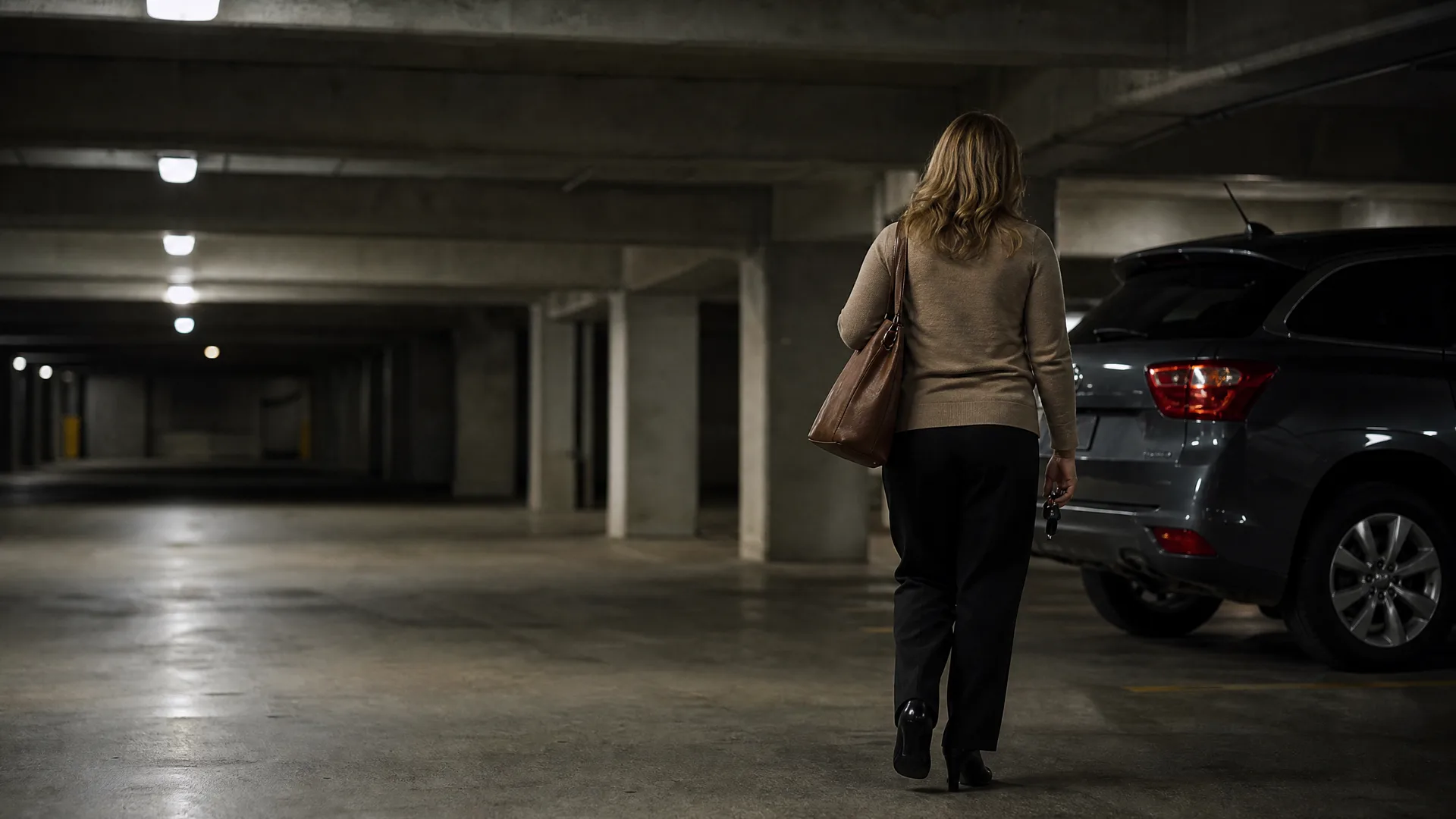
Uninsured Motorist Coverage Matters More with Multiple Vehicles
California does not require uninsured-motorist coverage, but one in five drivers on California roads carries no insurance. Multi-vehicle households face compounded exposure: more cars mean more collision opportunities with uninsured drivers. Uninsured-motorist bodily injury covers medical costs and lost wages when an uninsured driver injures you or your household members. Uninsured-motorist property damage covers vehicle repair or replacement when an uninsured driver totals your car and cannot pay.
Carriers writing California multi-car policies offer uninsured-motorist coverage as an optional endorsement. The premium for uninsured-motorist coverage is modest relative to the protection it provides, and the 20.4% uninsured rate makes it essential for households with multiple vehicles and higher asset exposure.
Compare Final Premiums Across All Vehicles and Drivers
Request quotes from at least three carriers in the tier that matches your household's risk profile. Provide identical coverage limits, deductibles, and driver information to each carrier so the comparison isolates carrier pricing and discount structure. The quote should include all vehicles you own, all household members who will drive them, and any occasional drivers who may operate the cars more than a few times per year.
Carriers re-rate the entire policy when you add or remove a vehicle, change a driver, or modify coverage. A quote generated today reflects today's household structure. Adding a third car next month triggers a new underwriting review and a new premium. Binding a policy based on incomplete vehicle or driver information can result in coverage denial at claim time. Provide complete information upfront, even if it raises the initial quote.
Carriers Writing Multi-Vehicle Policies in California
Preferred-tier carriers (State Farm, USAA, Amica) write multi-vehicle households with clean driving records and strong credit. State Farm writes SR-22 and non-owner policies but does not advertise high-risk tolerance. USAA restricts eligibility to military members and their families. Amica maintains strict underwriting and may decline multi-vehicle households with any at-fault accidents in the prior three years. These carriers typically offer the lowest base rates for clean-record households but provide limited flexibility for drivers with violations.
Standard-tier carriers (Geico, Progressive, Allstate, Farmers, Nationwide, Mercury General, National General, Liberty Mutual, Travelers) write a broader risk spectrum and offer telematics programs that can lower premiums for safe drivers. Geico, Progressive, and Mercury General write SR-22, non-owner, and after-DUI policies alongside standard multi-car coverage. Allstate stopped writing new business in California as of 2023 but continues to renew existing policies. These carriers balance competitive pricing with underwriting flexibility, making them the best fit for most multi-vehicle households.
Get Your Free Quote
Get My California Car Insurance QuoteFrequently Asked Questions
Which California carrier offers the biggest multi-car discount?
Carriers do not publish multi-car discount percentages, and discount size matters less than final premium. A smaller discount on a lower base rate often costs less than a larger discount on a higher one. Request quotes from at least three carriers with identical coverage limits and compare the total premium for all vehicles.
Do I need uninsured motorist coverage if I have multiple cars in California?
California does not require uninsured-motorist coverage, but 20.4% of California drivers operate without insurance. Multi-vehicle households face compounded exposure: more cars mean more collision opportunities with uninsured drivers. Uninsured-motorist bodily injury and property damage coverage protects you when an uninsured driver causes a loss you cannot recover from them directly.
Can I get a multi-car discount if my spouse has a separate policy?
No. The multi-car discount requires every vehicle to sit on the same policy, issued to the same named insured, and garaged at the same address. Two separate policies—even with the same carrier—do not qualify. Combine both policies under one named insured to access the discount.
What happens to my multi-car discount if I add a third vehicle mid-term?
Adding a vehicle mid-term re-rates the entire policy. The carrier recalculates the base premium for all vehicles, applies the multi-car discount to the new total, and issues an endorsement reflecting the updated premium. The discount percentage stays constant, but the total premium rises because the base rate now includes the third vehicle.
Which carriers write multi-car policies for households with a DUI?
Acceptance Insurance, Bristol West, Dairyland, Infinity, Kemper, The General, Geico, Progressive, and Mercury General write multi-vehicle policies for households with DUI convictions. Non-standard carriers (Acceptance, Bristol West, Dairyland, Infinity, Kemper, The General) maintain higher base rates but accept risk profiles standard carriers decline. Compare quotes from at least two carriers in this tier.
Does California require higher liability limits for households with multiple cars?
No. California requires $30,000 bodily injury per person, $60,000 per accident, and $15,000 property damage regardless of how many vehicles you own. These minimums are insufficient for most multi-vehicle households: a total-loss collision can exceed property damage limits, and serious injury medical costs routinely surpass $30,000.