What California Requires for Every Vehicle You Own
You own two or more vehicles registered in California and need to confirm what the state actually requires you to carry on each one. The DMV will not register a vehicle without proof of financial responsibility, and a traffic stop without proof triggers immediate penalties.
These minimums apply to each vehicle individually. Whether you insure all your vehicles on one policy or split them across separate policies, each car must meet the same floor.
Compare car insurance rates in your state
Get quotes from licensed carriers — no obligation, no spam, results in minutes.
Get Your Free QuoteCalifornia Liability Minimums
These are floor amounts; higher limits are available and often recommended for households with multiple vehicles and greater asset exposure.
California Department of Motor Vehicles
One Policy or Separate Policies for Multiple Vehicles
The state does not care whether you insure all your vehicles on one policy or maintain separate policies for each car. What matters is that each vehicle carries the minimum liability limits and you can produce proof of insurance when the DMV or a law enforcement officer asks for it.
Most households with two or more vehicles save money by placing all cars on a single policy and claiming the multi-car discount. The discount typically requires every vehicle to sit on the same policy and share a garaging address. Carriers apply the discount to the total premium, not to each vehicle individually.
Separate policies make sense when household members have drastically different driving records, when one vehicle is a classic or rarely-driven car that qualifies for specialty coverage, or when one driver maintains a policy in another state. Compare the combined premium of separate policies against the discounted premium of one shared policy before deciding.
The multi-car discount requires every vehicle on the same policy. A car titled to someone outside your household may not qualify, even if garaged at your address.
What the DMV Accepts as Proof of Insurance
Most drivers carry the insurance card. The card must show the vehicle identification number, the policy number, the coverage period, and the carrier name. An expired card is not valid proof, even if your policy renewed and the carrier has not yet mailed the new card.
California operates an electronic insurance verification system. When you register a vehicle, the DMV checks your insurance status electronically. If the system shows no active coverage, registration is denied. Traffic officers can also verify coverage electronically during a stop, but you are still required to carry physical or electronic proof in the vehicle. A digital image of your insurance card on your phone satisfies the proof requirement.
Related Articles
Penalties for Driving Without Insurance in California
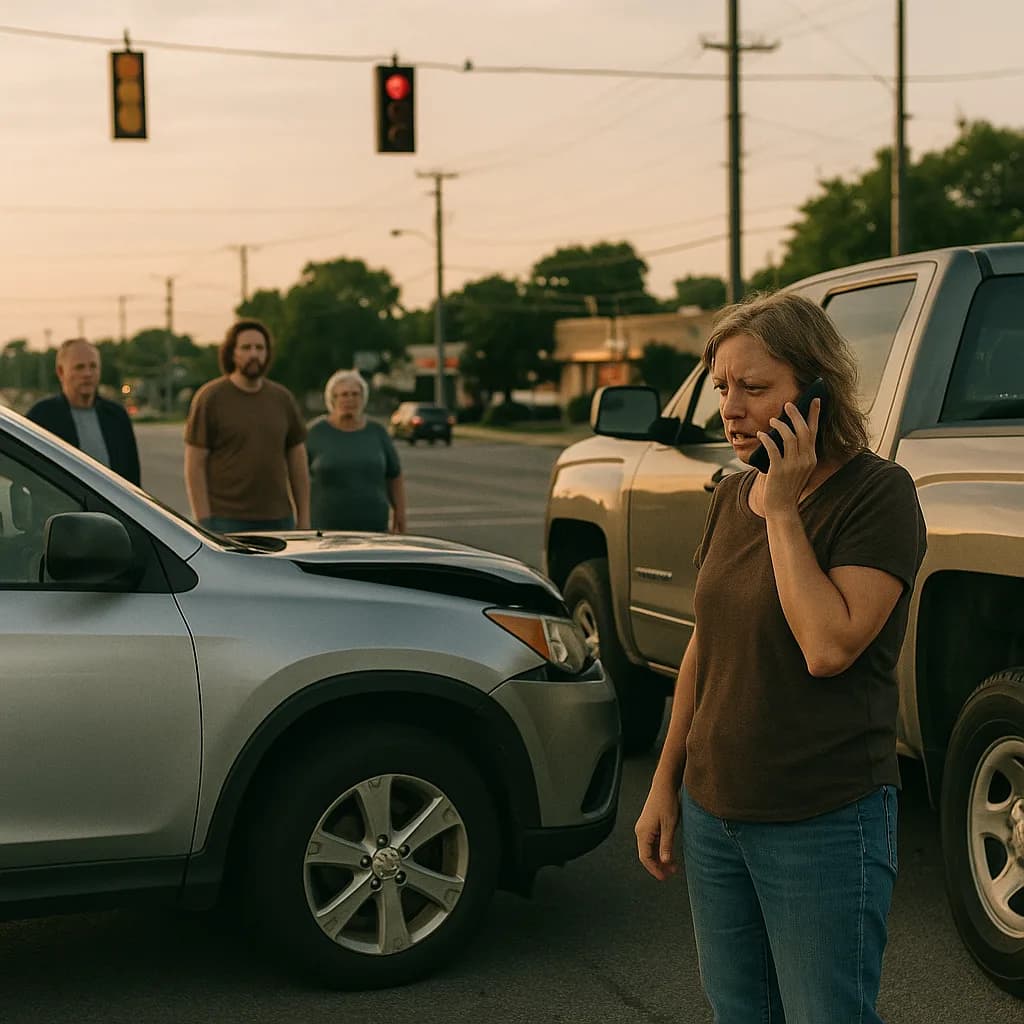
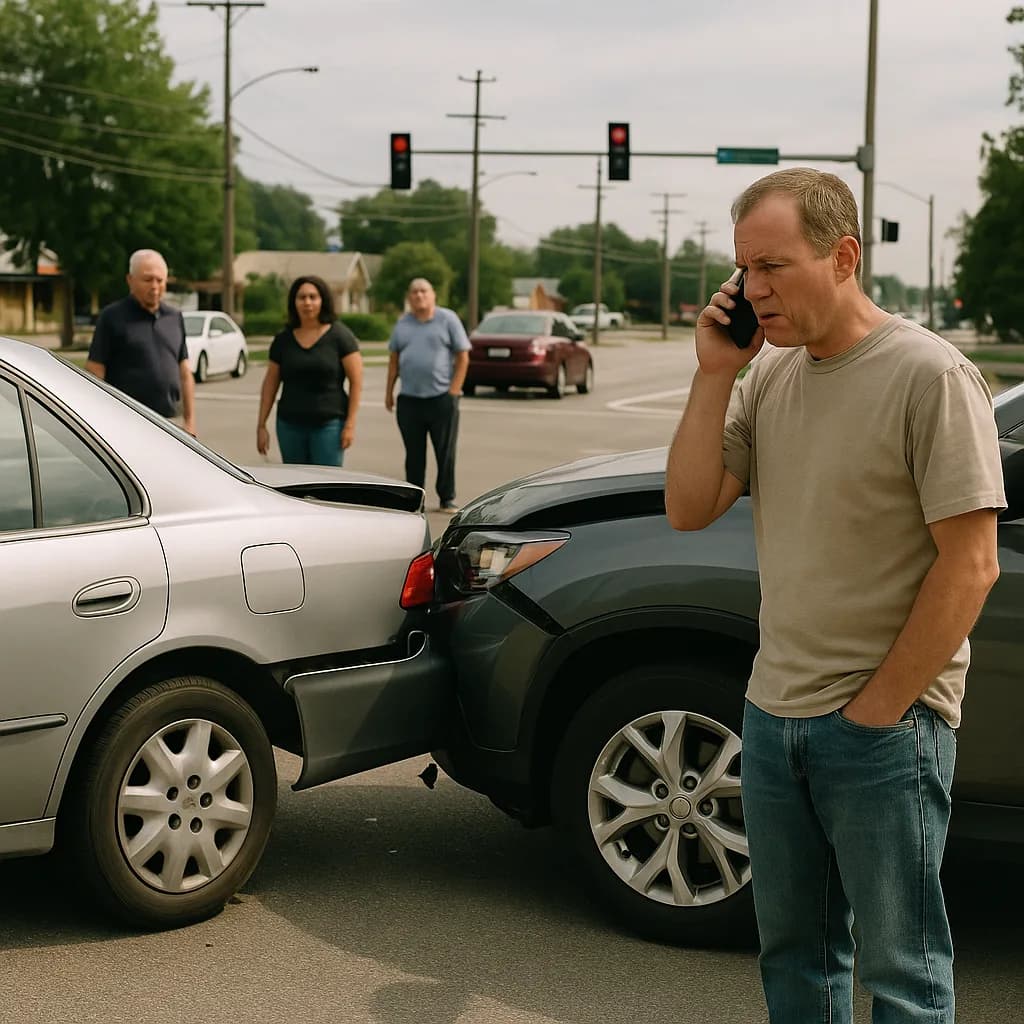
California imposes immediate penalties if you are caught driving without proof of insurance or if the DMV discovers a lapse in coverage. A first offense for driving without insurance carries a fine starting at several hundred dollars. The DMV suspends your registration if the electronic verification system detects a lapse, and reinstatement requires proof of coverage and payment of fees.
If you are involved in an at-fault accident while uninsured, the DMV suspends your license and registration for one year. Reinstatement after an uninsured-accident suspension requires you to file proof of financial responsibility for three years. The state accepts an SR-22 certificate, which is not insurance but a filing your carrier submits to the DMV confirming you carry at least the minimum liability limits.
Add the cost of obtaining an SR-22 filing from your carrier, which typically adds a small annual fee to your premium, and the total cost of a suspension far exceeds the cost of maintaining continuous coverage on every vehicle you own.
California Uninsured Motorist Rate
20.4%
One in five California drivers operates without insurance, according to 2023 data. This rate is among the highest in the nation and explains why uninsured motorist coverage is a common add-on for households with multiple vehicles and greater collision exposure.
Insurance Research Council, 2023
Uninsured Motorist Coverage and Optional Protections
California does not mandate uninsured motorist coverage, but carriers must offer it. Given that 20.4% of California drivers operate without insurance, many multi-car households add uninsured motorist bodily injury and property damage coverage to protect against collisions with uninsured drivers. The coverage pays your medical bills and vehicle repair costs when the at-fault driver carries no insurance or insufficient limits.
Collision and comprehensive coverage are optional. Collision pays for damage to your vehicle after an accident regardless of fault. Comprehensive pays for theft, vandalism, weather damage, and other non-collision losses. If you finance or lease any of your vehicles, the lender requires both. If you own all your vehicles outright, weigh the replacement cost of each car against the annual premium for collision and comprehensive. A rarely-driven older vehicle may not justify the cost; a newer daily driver typically does.
Compare Carriers and Structure Your Coverage
California licenses dozens of carriers, and premium variation for the same coverage is wide. Households with multiple vehicles benefit from comparing quotes that reflect the actual number of cars, the drivers in the household, and the garaging address. The multi-car discount applies only when you request a quote for all vehicles on one policy.
Decide whether uninsured motorist coverage, collision, and comprehensive fit your household's exposure. Request quotes from carriers that write multi-car policies in California and compare the total annual premium. The carrier roster includes State Farm, Geico, Progressive, Allstate, Farmers, Mercury General, CSAA, and others. Use the comparison tool to see which carriers offer the structure and discount that fit your household.