
Teen Driver Insurance — California
Free to compare
Why Adding a Teen Re-Rates Your Entire Policy
You added your 16-year-old to your California auto policy and the premium didn't just go up by the cost of insuring one more driver. Every vehicle on the policy got more expensive. That's not a billing error. California carriers re-rate the entire household when a teen driver joins, because the presence of a young driver changes the risk profile of every car the household insures, not just the one the teen will drive.
The increase you're seeing has two components: the per-driver surcharge for the teen, and a rating-tier shift that applies to every vehicle already on the policy. Most households expect the first. The second catches them off guard. Understanding how both work — and which carriers handle teen households differently — is the difference between overpaying and structuring coverage that fits your actual driving situation.
“The tier shift applies to every vehicle on the policy the moment a teen joins, even cars the teen will never drive.”

Check Your Rate Against Other California Drivers
Get My California Car Insurance Quote20.4%
California Uninsured Motorist Rate
One in five California drivers carries no insurance. That rate climbs in counties with younger driver populations, which is why carriers price teen households higher across all vehicles — the statistical likelihood of an uninsured-motorist claim rises when any household member is under 25.
NAIC 2023
The Two-Part Premium Increase
The per-driver surcharge is straightforward: your carrier adds a rate for the teen based on age, gender where lawful, and whether they've completed driver education. In California, that surcharge applies whether the teen has their own car or shares a vehicle already on the policy. The carrier assumes the teen has access to every car in the household unless you explicitly exclude them from specific vehicles, and exclusion isn't available at all carriers.
The rating-tier shift is less visible but often larger. When you add a teen, many carriers move your entire policy from a standard household tier to a young-driver household tier. That tier carries a higher base rate for every vehicle, even the cars the teen will never touch. The shift reflects claims data: households with teen drivers file more claims overall, not just on the teen's vehicle. A fender-bender in the driveway, a borrowed car, a late-night errand — the risk spreads across the household's fleet.
Some carriers apply the tier shift only when the teen is listed as a primary or occasional driver on a specific vehicle. Others apply it the moment any household member under 25 appears on the policy, regardless of vehicle assignment. You won't see the tier shift broken out on your declaration page. It's baked into the per-vehicle premium, and most carriers don't disclose it as a separate line item.
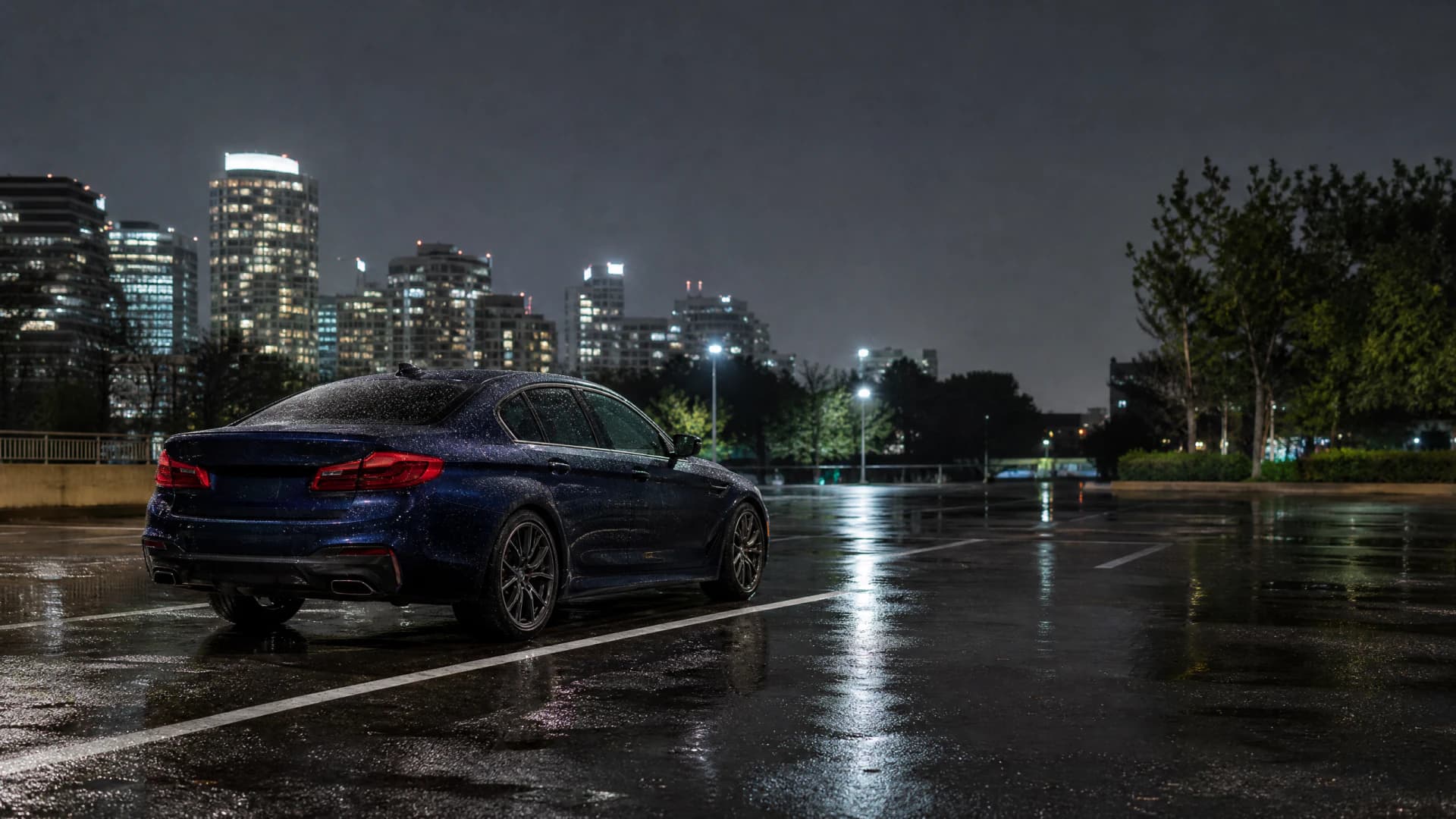
California carriers re-rate every vehicle when a teen joins the policy, not just the car the teen drives. The tier shift often costs more than the per-driver surcharge.
Related Articles





Which Carriers Write Teen Households in California
Not every carrier writes households with drivers under 18, and the ones that do vary widely in how they rate young drivers. State Farm, CSAA, and Farmers write teen households and offer good-student discounts that can reduce the per-driver surcharge by 10 to 25 percent if your teen maintains a B average or better. Geico and Progressive write teen drivers and let you assign the teen to a specific vehicle online, which makes it easier to model the premium before you commit. Mercury General writes teen households and applies a smaller tier shift than some competitors, but their base rates for young drivers are higher to start.
Allstate stopped writing new auto policies in California in 2024 but continues to renew existing policies, including those with teen drivers. If you're already with Allstate and add a teen, your renewal will process, but you won't be able to move the policy to a new vehicle or add a new household member without triggering a non-renewal notice. Liberty Mutual writes teen households but requires a phone call to add a driver under 18; you can't complete the addition through their online portal.
USAA writes teen households for military-affiliated families and applies one of the lowest tier shifts in the California market, but eligibility is restricted to active duty, veterans, and their families. Bristol West and The General write teen drivers in non-standard and high-risk tiers, which means they'll accept a teen with a recent violation or accident that standard carriers won't touch, but their base rates are higher across the board. If your teen has a clean record, you'll pay less with a standard carrier. If your teen already has a ticket or an at-fault accident, Bristol West or The General may be your only options.
$30,000 / $60,000 / $15,000
California Minimum Liability Limits
California requires $30,000 per person, $60,000 per accident for bodily injury, and $15,000 for property damage. Those minimums apply to every driver on your policy, including your teen. Carrying only the minimum leaves your household exposed if your teen causes a serious accident — medical bills and vehicle damage in a multi-car collision can exceed $60,000 in seconds.
California Insurance Code

Good-Student Discounts and Driver Training
Most California carriers offer a good-student discount for teen drivers who maintain a B average or higher. The discount typically reduces the per-driver surcharge by 10 to 25 percent, depending on the carrier. You'll need to provide proof: a report card, a transcript, or a letter from the school registrar. Some carriers accept a signed affidavit from a parent, but most require third-party documentation. The discount renews annually as long as your teen maintains the grade threshold, and it usually expires when the teen turns 25 or graduates from college, whichever comes first.
Driver education and driver training programs can also lower the surcharge, but the discount structure varies. Completing a state-approved driver education course is required to get a California license before age 18, so that alone doesn't earn a discount — it's the baseline. Completing an additional defensive-driving or advanced driver-training course beyond the state requirement can earn a 5 to 15 percent discount at some carriers. State Farm and Farmers recognize both classroom and behind-the-wheel training programs. Geico and Progressive recognize defensive-driving courses but require the course to be taken after the teen gets their license, not before.
Compare Carriers Before You Add the Teen
The rating-tier shift and per-driver surcharge vary so widely across carriers that the cheapest option for your household before adding a teen is rarely the cheapest after. The only way to know is to compare quotes with the teen included before you finalize the addition.
Get quotes from at least three carriers that write teen households in California: one standard carrier where you already have a relationship, one direct writer like Geico or Progressive, and one carrier known for competitive young-driver rates like Mercury General or CSAA. Provide the same vehicle assignments, coverage limits, and deductibles to each. The quotes will show you not just the total premium but how each carrier structures the per-vehicle increase. Some carriers will show the teen surcharge as a separate line item; others will fold it into the per-vehicle rate. Ask each carrier how they handle vehicle assignment and whether they offer a good-student discount or driver-training discount you haven't applied yet. Use the California car insurance requirements page to confirm the minimum liability limits you must carry and compare them against the limits each carrier quotes.
How Vehicle Assignment Affects the Increase
California carriers let you designate one vehicle as the teen's primary car. That vehicle gets the highest per-driver surcharge. The other vehicles on the policy get a lower occasional-driver surcharge, reflecting the assumption that the teen might borrow them. If your teen doesn't have their own car and shares a vehicle already on the policy, you'll designate that shared car as primary.
The mistake households make: assuming that if they assign the teen to one car, the other cars won't see any increase at all. They will. The tier shift applies to every vehicle. The only way to avoid the tier shift entirely is to place the teen on a separate policy, which is almost always more expensive than keeping them on the family policy and accepting the tier shift. A few carriers offer a separate young-driver policy product that sits under the same account but rates independently. Those products are rare in California, and they typically cost more than the combined household policy unless the teen is the only driver on the separate policy and drives a low-value car.
Get Your Free Quote
Get My California Car Insurance QuoteFrequently Asked Questions
Does adding a teen driver increase the premium on every car in California?
Yes. California carriers re-rate every vehicle on a multi-car policy when a teen driver is added, not just the car the teen will drive. The increase has two parts: a per-driver surcharge for the teen, and a rating-tier shift that raises the base rate on every vehicle because households with young drivers statistically file more claims overall.
Can I avoid the premium increase by putting my teen on a separate policy?
You can place your teen on a separate policy, but it almost always costs more than keeping them on the family policy. A standalone policy for a teen driver carries higher per-vehicle rates because the teen loses the multi-car discount and any loyalty or bundling discounts tied to the household policy. A few carriers offer a linked young-driver policy that sits under the same account but rates separately, though those products are rare in California and typically cost more unless the teen is the only driver and owns a low-value car.
Which California carriers offer the best rates for teen drivers?
USAA offers the lowest tier shift for military-affiliated families, but eligibility is restricted. Among carriers open to all households, CSAA, Mercury General, and State Farm apply smaller tier shifts than most competitors and offer good-student discounts that reduce the per-driver surcharge by 10 to 25 percent. Geico and Progressive let you assign the teen to a specific vehicle online and model the premium before you commit. Rates vary widely by household, so compare at least three carriers with the teen included before you finalize the addition.
What is a good-student discount and how much does it save?
A good-student discount reduces the per-driver surcharge for a teen who maintains a B average or higher. The discount typically lowers the surcharge by 10 to 25 percent, depending on the carrier. You'll need to provide proof annually: a report card, transcript, or letter from the school registrar. The discount usually expires when the teen turns 25 or graduates from college, whichever comes first.
Does my teen need their own car to be added to my California policy?
No. You can add your teen as a driver on a vehicle already on the policy. The carrier will ask you to designate one vehicle as the teen's primary car, which takes the highest per-driver surcharge, and apply a lower occasional-driver surcharge to the other vehicles. If your teen shares a car with another household member, designate that shared car as primary to minimize the total increase.
Can I exclude my teen from certain vehicles on my California policy?
Some California carriers allow named-driver exclusions, which remove a specific driver from coverage on a specific vehicle. Exclusion lowers the premium on that vehicle because the carrier assumes the excluded driver will never use it. If your teen drives the excluded vehicle and causes an accident, the claim will be denied and you'll be personally liable for all damages. Exclusion is a high-risk strategy and isn't available at all carriers. Most households are better off assigning the teen to the lowest-value car and keeping them covered on every vehicle.