Does Farmers Write Multi-Car Policies in California
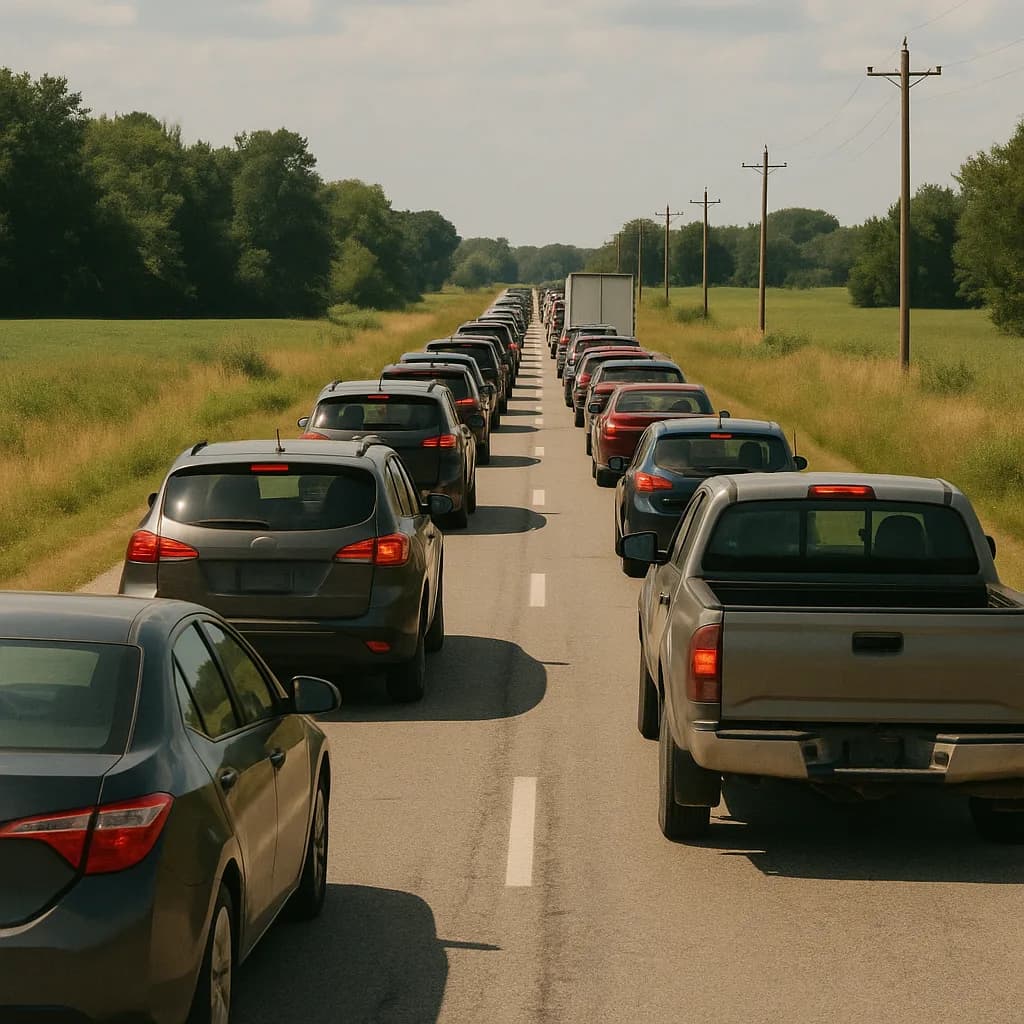
Farmers writes multi-car policies in California and offers a multi-vehicle discount when you insure two or more cars on the same policy. The discount applies at the policy level, not per vehicle, which means every car you want covered under the discount must sit on one policy with one named insured. If you own three cars but title one to a household member who carries their own policy, that third car does not count toward your multi-vehicle discount even if both policies are with Farmers.
This same-policy requirement is the structural blocker most households hit when they try to combine coverage. Farmers treats each policy as a separate underwriting unit. Adding a second car to your existing policy triggers a re-rating of the entire policy, not just an add-on charge for the new vehicle. The multi-vehicle discount then applies to the re-rated premium, lowering the combined cost below what two separate single-car policies would cost.
Compare car insurance rates in your state
Get quotes from licensed carriers — no obligation, no spam, results in minutes.
Get Your Free QuoteCalifornia Multi-Car Carriers
27 carriers
California's auto insurance market includes 27 carriers confirmed to write multi-vehicle policies, giving households structural options when one carrier's same-policy requirement does not fit their vehicle ownership or titling situation.
California DOI carrier roster
How the Multi-Vehicle Discount Works at Farmers
Farmers calculates the multi-vehicle discount after rating each car individually. The discount percentage is not published and varies by state, but the mechanism is consistent: Farmers rates your first car at its full premium, rates your second car at its full premium, then applies a percentage reduction to the combined total. The discount increases slightly when you add a third or fourth vehicle, but the incremental gain shrinks with each additional car.
The discount applies only when all vehicles share the same garaging address and the same named insured. If you and your spouse each own a car and want to combine them onto one Farmers policy, one of you becomes the named insured and the other becomes a listed driver. Both cars then qualify for the multi-vehicle discount. If you keep separate policies, even with the same carrier, no multi-vehicle discount applies to either policy.
Adding a vehicle mid-term re-rates your policy immediately. Farmers does not prorate the old premium and add a flat amount for the new car. Instead, the system re-underwrites the entire policy with two vehicles, applies the multi-vehicle discount to the new total, and charges you the difference between your old premium and the new one for the remaining term. At renewal, the full multi-vehicle premium takes effect.
The multi-vehicle discount requires every car on one policy. Splitting vehicles across two policies, even with the same carrier, eliminates the discount on both.
What You Need to Add a Second Car to Your Farmers Policy
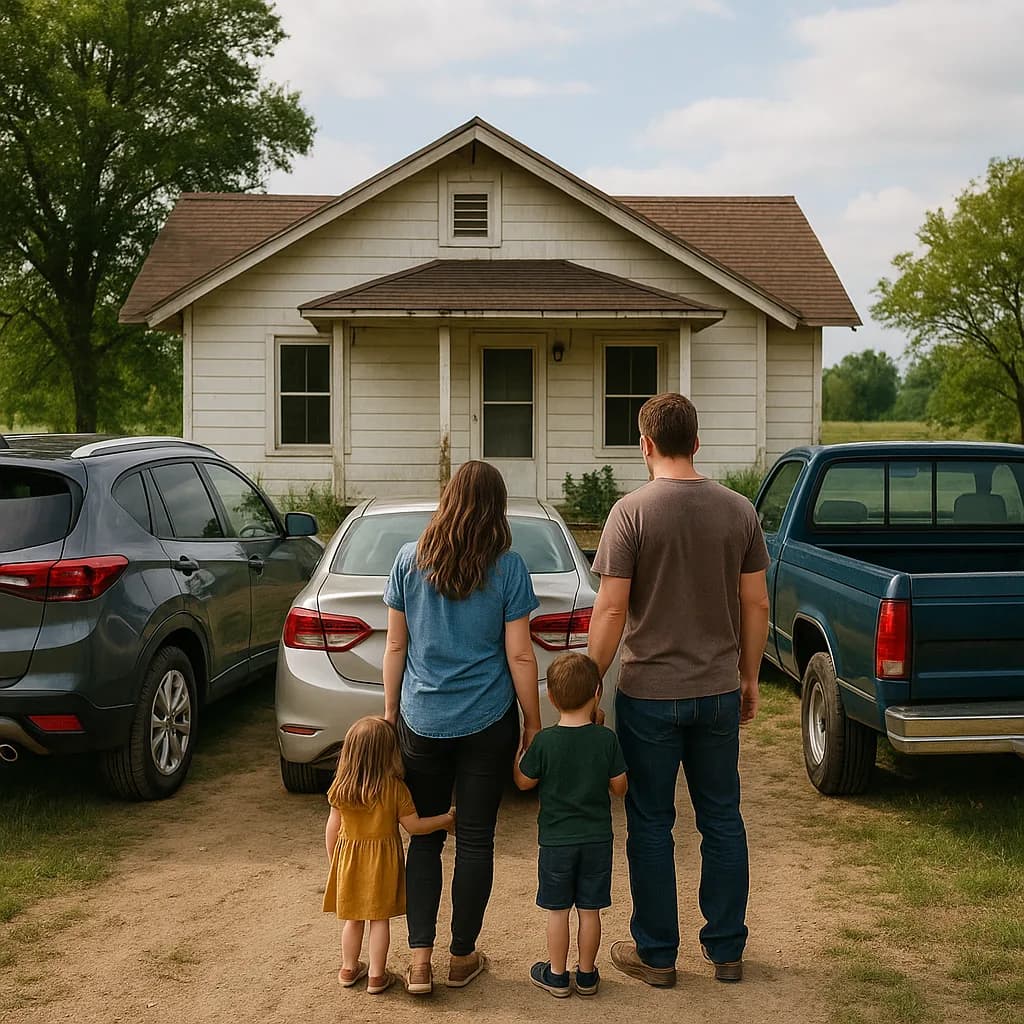
You will need the vehicle identification number, the exact make and model, the model year, and proof of ownership or a lease agreement. Farmers also requires the garaging address, which must match the address on your existing policy unless you notify them of a change. If the new car is financed or leased, the lender will require comprehensive and collision coverage with a deductible that meets their loan agreement terms, typically a maximum of $1,000.
Farmers will not add a vehicle to your policy without at least these minimums. If your current policy carries higher limits, the new vehicle inherits those same limits unless you request a different structure, which most carriers discourage because it complicates claims and creates coverage gaps.
Related Articles




When Splitting Policies Costs Less Than Combining Them
The multi-vehicle discount lowers your combined premium in most cases, but not all. If one vehicle carries a high-risk profile—a sports car, a vehicle with a recent at-fault claim, or a car driven by a household member with a DUI—adding it to your existing policy can raise your base premium more than the multi-vehicle discount lowers it. In that scenario, a separate policy for the high-risk vehicle may cost less overall than combining both cars onto one policy.
Farmers underwrites each vehicle based on its own risk factors and the driving record of its primary operator. When you add a high-risk car to a low-risk policy, the entire policy moves into a higher rating tier. The multi-vehicle discount applies to the new higher premium, not the old lower one. Running quotes for both structures—one combined policy versus two separate policies—shows you the actual dollar difference.
Some households keep vehicles on separate policies intentionally to isolate risk. If one driver has a suspended license or a recent violation, keeping their car on a separate policy prevents that record from affecting the premium on the household's other vehicles. This structure eliminates the multi-vehicle discount but can still produce a lower combined cost when the risk profile difference is large enough.
California Minimum Liability Limits
These minimums apply to every car on a multi-vehicle policy.
California Insurance Code §11580.1b
How Farmers Compares to Other California Multi-Car Carriers
Farmers is one of 27 carriers confirmed to write multi-car policies in California. The carrier roster includes standard-tier options like State Farm, Allstate, and Progressive, and non-standard carriers like Bristol West, Dairyland, and The General that write policies for drivers with violations or lapses. Not every carrier offers the same multi-vehicle discount structure, and some apply the discount only when you bundle auto with home or renters coverage.
State Farm and USAA both write multi-car policies with preferred-tier pricing but restrict eligibility—State Farm by underwriting criteria, USAA by military affiliation. Progressive and Geico write multi-car policies with online quoting and offer same-day policy binding, which matters when you buy a car and need coverage immediately. Mercury General and CSAA are California-headquartered carriers with regional pricing that sometimes beats national carriers for multi-vehicle households in specific counties.
Compare Multi-Car Carriers Before You Add a Vehicle
Adding a second or third car to your Farmers policy is straightforward if the same-policy structure fits your household. If it does not—because vehicles are titled to different household members, garaged at different addresses, or carry risk profiles that push your combined premium higher than two separate policies—compare carriers that write the structure you actually need. California's 27-carrier multi-car market includes options for nearly every household configuration, and the lowest combined premium often comes from a carrier you have not quoted yet.