
Progressive Multi-Car Insurance — California
Free to compare
Progressive Writes Multi-Car Policies in California
Progressive writes auto insurance in California and offers multi-car policies for households insuring two or more vehicles. The carrier is licensed statewide (NAIC 24260, AM Best A+ rating) and provides online quoting for multi-vehicle households. You can add multiple cars to one Progressive policy and receive the multi-vehicle discount when all vehicles sit on the same policy under the same named insured.
The structural question most households face is not whether Progressive writes multi-car coverage — it does — but whether Progressive's multi-vehicle discount structure saves more than combining policies with another carrier. The discount applies only when every vehicle in the household sits on one Progressive policy, and the discount percentage varies by household composition, garaging address, and the number of vehicles. Understanding how Progressive structures the discount prevents the common mistake of splitting vehicles across policies and losing the savings entirely.
“The multi-vehicle discount applies only when every car sits on one Progressive policy — splitting vehicles across policies loses the discount entirely.”

Check Your Rate Against Other California Drivers
Get My California Car Insurance Quote27,632,103
California Licensed Drivers
California has 27,632,103 licensed drivers and 31,119,113 registered vehicles, meaning many households insure multiple cars. Progressive's multi-vehicle discount targets this market segment directly.
California DMV, 2022
How Progressive's Multi-Vehicle Discount Works
Progressive's multi-vehicle discount applies when you insure two or more vehicles on the same policy. The discount reduces the premium for each vehicle on the policy, but the reduction is not a flat percentage — it scales with the number of vehicles and the household's overall risk profile. A household adding a second car receives a smaller discount than a household adding a fourth car, and the discount applies to the combined policy premium rather than to each vehicle individually.
The same-policy requirement is the structural blocker most households miss. If you own three cars but one is titled to a household member who maintains a separate Progressive policy, that vehicle does not count toward your multi-vehicle discount. The discount applies only to vehicles listed on your specific policy. This means married couples who each maintained separate policies before combining households must consolidate into one policy to capture the discount.
Progressive does not publish a standard multi-vehicle discount percentage because the actual reduction varies by state, vehicle type, driver age, and coverage selections. The discount is applied automatically when you add a second or subsequent vehicle to your policy during the quoting process. You do not apply for the discount separately — it appears as a line-item reduction on your policy declaration once multiple vehicles are listed.
The discount remains in effect as long as all vehicles stay on the same policy. If you remove a vehicle mid-term, Progressive re-rates the policy immediately, and the discount adjusts to reflect the new vehicle count. Adding a vehicle mid-term also triggers a re-rating, which can increase the total premium even with the multi-vehicle discount applied.
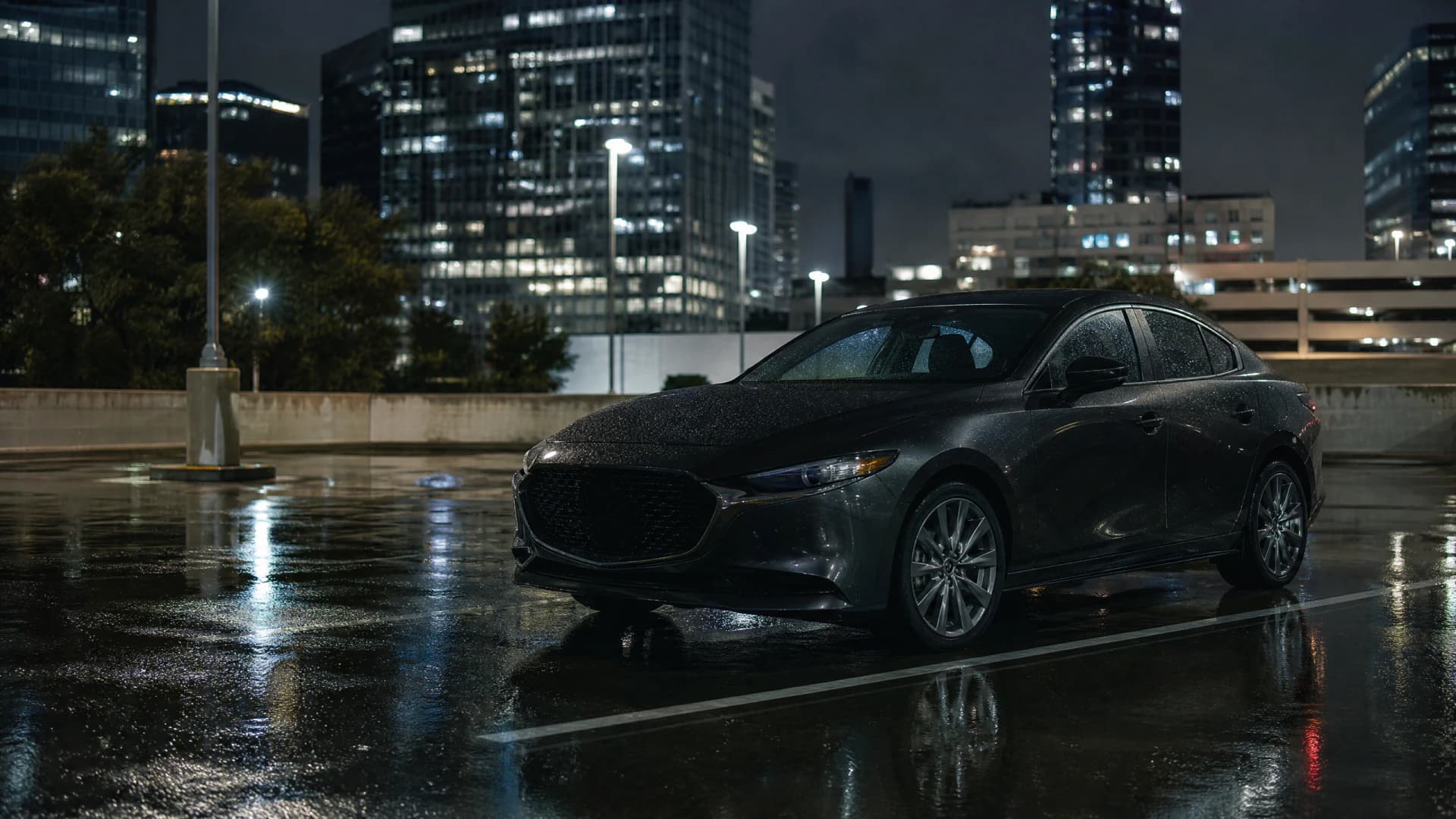
The multi-vehicle discount applies only when every car sits on one Progressive policy under the same named insured — splitting vehicles across policies loses the discount entirely.
Related Articles


How Adding a Vehicle Changes Your Progressive Policy
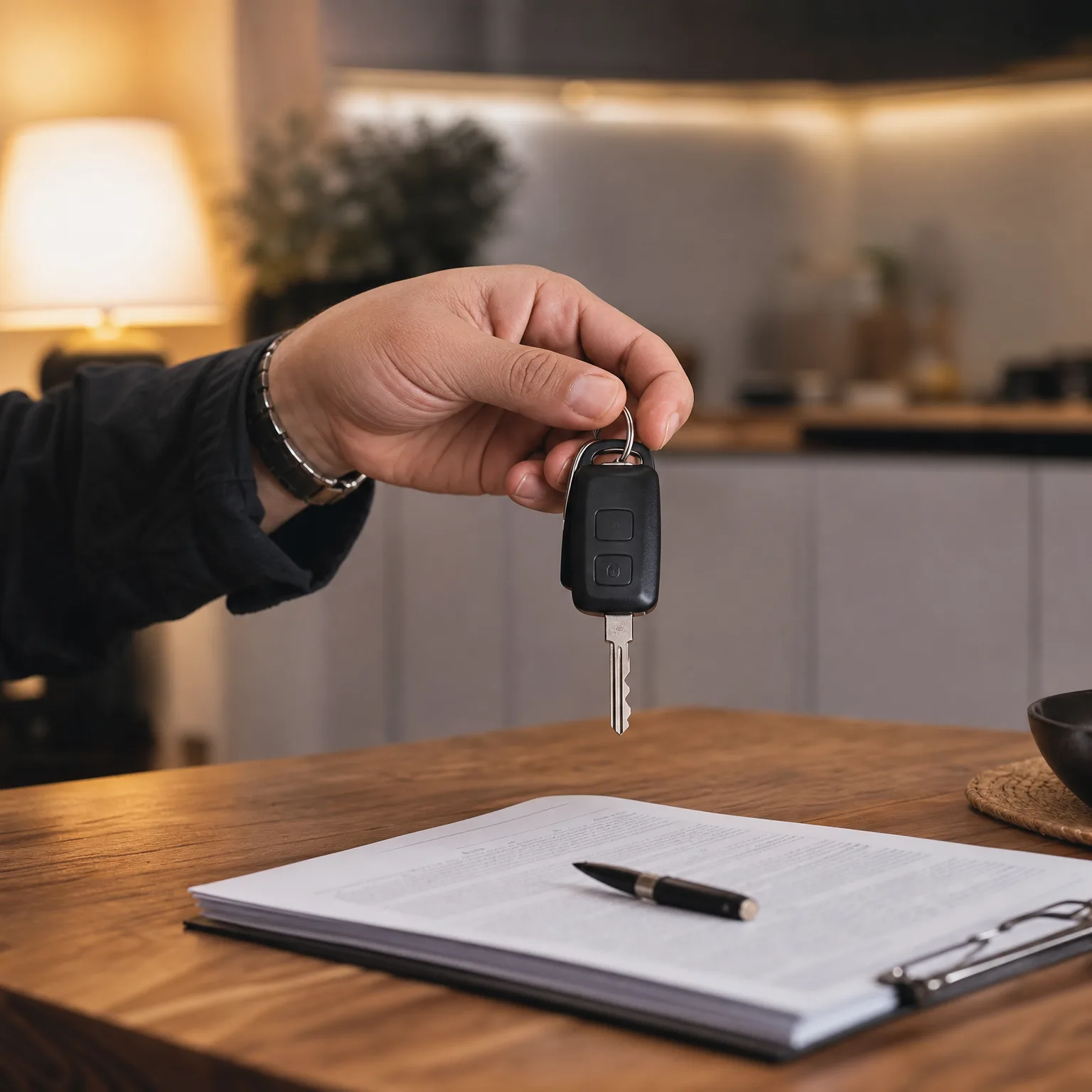
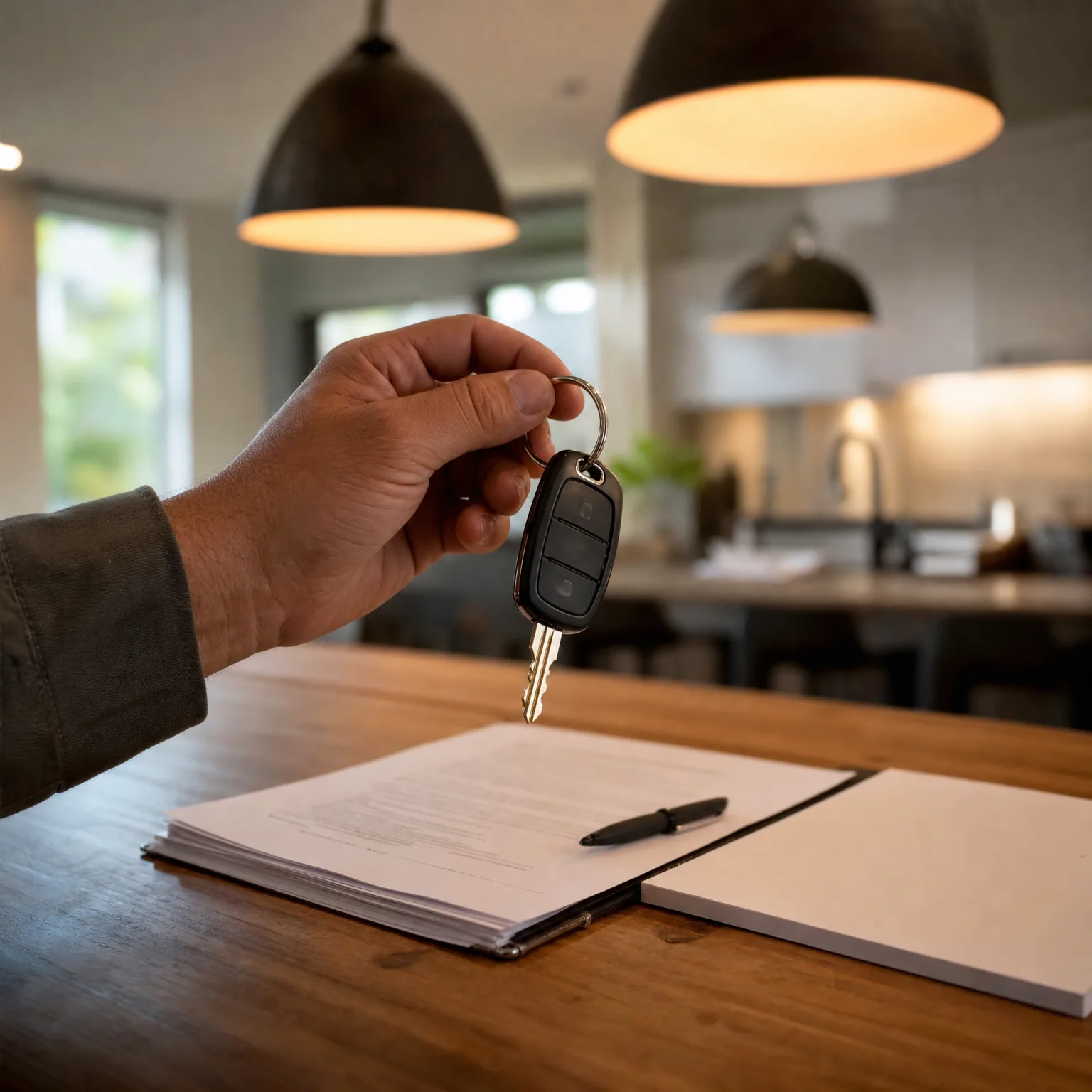
Adding a vehicle to an existing Progressive policy triggers an immediate re-rating of the entire policy, not just the addition of a flat per-vehicle charge. Progressive recalculates the premium for every vehicle on the policy when you add a new car because the multi-vehicle discount percentage changes with the vehicle count. A household moving from two cars to three cars receives a larger discount, but the total premium still increases because the third vehicle adds its own base premium to the policy.
California law requires carriers to provide a grace period for newly-purchased vehicles, during which the new car is automatically covered under your existing policy's terms. Progressive extends your current coverage to a newly-acquired vehicle for 30 days, but you must report the vehicle to Progressive within that window to maintain coverage beyond the grace period. If you buy a car and do not notify Progressive within 30 days, the new vehicle is not covered, and any claim involving that car will be denied.
The re-rating happens the day you report the new vehicle, not the day you purchased it. If you buy a car on the 15th of the month but do not report it to Progressive until the 25th, your policy premium adjusts effective the 25th. The grace period covers the vehicle for liability and any coverage you carried on your existing cars, but you cannot select different coverage levels for the new car until you formally add it to the policy. Once added, you can choose different liability limits, collision deductibles, or optional coverages for the new vehicle than you carry on your other cars.
$30,000 / $60,000 / $15,000
California Minimum Liability Limits
California requires minimum liability coverage of $30,000 per person for bodily injury, $60,000 per accident, and $15,000 for property damage. Every vehicle on your Progressive multi-car policy must meet these minimums at a minimum.
California Insurance Code
Comparing Progressive to Other Multi-Car Carriers in California
Progressive is one of 21 carriers writing auto insurance in California that offer multi-vehicle discounts, and the carrier's discount structure is not unique. State Farm, Geico, Farmers, Allstate, and Mercury General all write multi-car policies in California and apply similar same-policy requirements. The structural difference between carriers is not whether they offer the discount — most do — but how the discount interacts with each carrier's base rate and underwriting tier.
A smaller multi-vehicle discount applied to a lower base rate can produce a lower total premium than a larger discount applied to a higher base rate. Progressive's base rates vary by ZIP code, driver age, vehicle type, and coverage selections, and those base rates differ from Geico's, State Farm's, and Farmers' base rates for the same household profile. The only way to determine which carrier produces the lowest total premium for your specific household is to quote each carrier with identical coverage levels and vehicle details and compare the final policy premium, not the discount percentage.
Progressive writes standard-tier and non-standard-tier auto insurance in California, meaning the carrier accepts households with prior violations, lapses in coverage, or high-risk driver profiles that some preferred-tier carriers decline. If your household includes a driver with a DUI, multiple speeding tickets, or a suspended license in the past three years, Progressive may offer a multi-car policy when a preferred carrier like Amica or USAA declines to quote. The trade-off is that non-standard-tier base rates are higher, so even with the multi-vehicle discount applied, your total premium may exceed what a clean-record household pays with a preferred carrier.
Compare Multi-Car Carriers for Your California Household
Progressive writes multi-car policies in California and applies the multi-vehicle discount when all vehicles sit on one policy under the same named insured. The discount scales with vehicle count, but the total premium depends on Progressive's base rate for your household, your garaging address, and the coverage levels you select. Comparing Progressive's quote to quotes from Geico, State Farm, Farmers, and other carriers writing in California shows you which carrier produces the lowest total premium for your specific household composition. Use the comparison tool to quote multiple carriers with identical coverage levels and see the final policy premium for each.
What Progressive Requires for Multi-Car Coverage
Every vehicle on the policy must be garaged at the same primary address. Progressive defines the garaging address as the location where the vehicle is parked overnight most often. If one household member garages a car at a work address or a second property, that vehicle may not qualify for the same-policy discount. California does not mandate a shared garaging address for multi-car discounts by law, but Progressive enforces it as an underwriting rule. Households with vehicles garaged at different addresses must disclose each location during quoting, and Progressive may require separate policies for vehicles at different garaging addresses.
All drivers in the household must be listed on the policy, either as named insureds or as listed drivers. Progressive requires disclosure of every household member with a valid driver's license, even if that person does not regularly drive the insured vehicles. Failing to list a household driver can void coverage if that unlisted driver is involved in a claim. When you add a second vehicle, Progressive will ask whether any new drivers should be added to the policy. If the second car belongs to a household member not currently listed, you must add that person as a driver to maintain coverage.
Get Your Free Quote
Get My California Car Insurance QuoteFrequently Asked Questions
Does Progressive offer a multi-car discount in California?
Yes. Progressive offers a multi-vehicle discount in California when you insure two or more vehicles on the same policy. The discount applies automatically when all vehicles are listed on one policy under the same named insured and garaged at the same primary address.
How many cars can I insure on one Progressive policy in California?
Progressive does not publish a maximum vehicle limit for multi-car policies in California, but most households can insure up to four or five vehicles on one policy. Households with more than five vehicles should contact Progressive directly to confirm eligibility and underwriting requirements.
Can I add a car to my Progressive policy if it is titled to someone else?
Yes, but the vehicle's owner must be listed as a named insured or listed driver on your Progressive policy. Progressive requires all household members with valid driver's licenses to be disclosed, and the vehicle must be garaged at the same primary address as your other insured vehicles.
Does Progressive require the same coverage on every vehicle in a multi-car policy?
No. Progressive allows you to select different liability limits, collision deductibles, and optional coverages for each vehicle on a multi-car policy. Every vehicle must meet California's minimum liability requirements, but you can carry higher limits or add comprehensive coverage on some vehicles and not others.
How long do I have to report a newly-purchased car to Progressive in California?
California law requires carriers to provide a 30-day grace period for newly-acquired vehicles. Progressive extends your existing coverage to a new car for 30 days, but you must report the vehicle within that window to maintain coverage beyond the grace period and ensure the multi-vehicle discount applies.
Will adding a third car to my Progressive policy lower my per-vehicle cost?
Adding a third car increases your total policy premium but may lower the per-vehicle cost due to the larger multi-vehicle discount. Progressive re-rates the entire policy when you add a vehicle, and the discount percentage scales with vehicle count, but the total premium always increases because the new vehicle adds its own base premium.