
Hartford Car Insurance in California — Multi-Vehicle Coverage
Free to compare
Hartford Stopped Writing New California Auto Policies
You're shopping for coverage across two or more vehicles in California and The Hartford appears on state carrier lists. The Hartford is licensed in California but stopped writing new personal auto business here. Existing policyholders are being transitioned to other carriers within the Travelers group. If you need to insure multiple vehicles today, Hartford is not an option.
This matters because multi-vehicle households need carriers that actively write policies for multiple cars on one account, offer multi-car discounts, and can add vehicles mid-term without forcing you to a different carrier. Hartford's California withdrawal means you need to focus on carriers currently writing new business in the state.
“Hartford stopped writing new personal auto policies in California years ago; multi-vehicle households need carriers actively writing new business in the state.”

Check Your Rate Against Other California Drivers
Get My California Car Insurance Quote20+ carriers
Active Multi-Vehicle Writers California
Twenty carriers actively write multi-vehicle policies in California today, including standard-tier options like State Farm, Geico, Progressive, and Farmers, plus non-standard carriers for drivers with violations. All maintain California licenses and write new business.
California Department of Insurance carrier roster 2026
Why Hartford Left the California Market
Hartford restricted new personal auto business in California as part of a broader market exit. The company continues to write commercial lines and specialty products in the state, but personal auto — including multi-car policies — is no longer available. Existing policyholders received non-renewal notices and were offered transitions to other Travelers-affiliated carriers.
This withdrawal was not unique to Hartford. Several national carriers reduced California auto exposure in recent years due to regulatory constraints on rate adjustments and rising claim costs. The result: households shopping for multi-vehicle coverage today must work with carriers that remain active in the state.
If you held a Hartford policy before the withdrawal, your coverage likely transferred to another Travelers entity or you were offered a policy through a partner carrier. If you're shopping fresh, Hartford is not in the comparison set.

Hartford's California license is active but the company does not write new personal auto policies. Multi-vehicle households need carriers actively writing new business.
Related Articles






What Multi-Vehicle Households Need from a Carrier
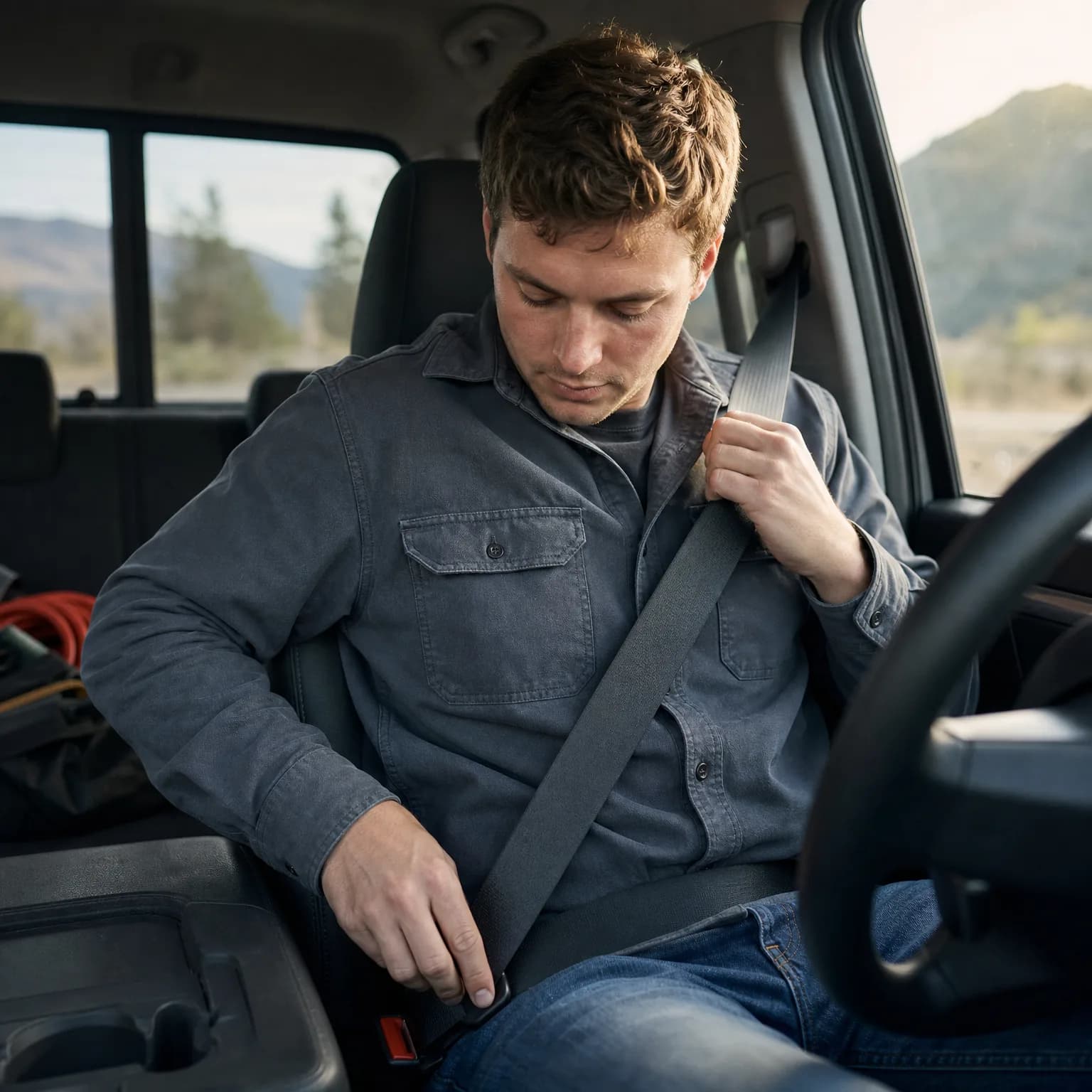
A carrier that writes multi-vehicle policies must allow every vehicle in your household to sit on one policy, extend a multi-car discount when they do, and permit mid-term additions without forcing a new policy. Most carriers require every vehicle to share a garaging address and be titled to household members. Some carriers restrict the number of vehicles per policy; others cap the number of drivers.
California law requires every vehicle to carry minimum liability coverage: $15,000 property damage per accident, $30,000 bodily injury per person, and $60,000 bodily injury per accident. A multi-vehicle policy must meet these minimums for every car. Adding a vehicle mid-term re-rates the entire policy rather than simply adding a flat amount, so the total premium changes based on the new vehicle's make, model, year, and the driver assigned to it.
The multi-car discount applies when every vehicle sits on the same policy. If one vehicle is titled to someone outside the household or sits on a separate policy, it does not count toward the discount. Combining two policies after marriage or a household move usually lowers the combined premium, but not always — compare the combined rate against keeping policies separate before committing.
$15,000 / $30,000 / $60,000
California Minimum Liability Limits
California requires $15,000 property damage per accident, $30,000 bodily injury per person, and $60,000 bodily injury per accident. Every vehicle on a multi-car policy must meet these minimums. Households with multiple vehicles often carry higher limits to protect assets.
California Insurance Code § 11580.1b
Comparing Carriers for Multiple Vehicles
Start by confirming the carrier writes new business in California and accepts the number of vehicles you need to insure. Request quotes from at least three carriers, providing the same vehicle details, driver information, and coverage selections for each. Compare the total premium for all vehicles on one policy, not the per-vehicle rate — the multi-car discount changes the math.
Ask whether the carrier caps the number of vehicles per policy, whether all vehicles must share a garaging address, and whether mid-term additions trigger a full policy re-rate. Some carriers restrict multi-car discounts to households with clean driving records; others extend them to high-risk households. If one driver has a violation, confirm the carrier will write all vehicles on one policy rather than forcing that driver to a separate policy.
Next Step: Compare Active California Carriers
Hartford does not write new personal auto policies in California. Focus your comparison on carriers actively writing multi-vehicle business in the state. Request quotes from standard-tier carriers if every driver has a clean record, or from non-standard carriers if anyone in the household has a violation. Provide identical vehicle and driver details to every carrier so you can compare total premiums accurately. The carrier that writes your household's vehicles at the lowest combined rate is the one that fits your structure.
Carriers Writing Multi-Vehicle Policies in California
Standard-tier carriers writing multi-vehicle policies include State Farm, Geico, Progressive, Allstate, Farmers, Nationwide, Travelers, Liberty Mutual, CSAA, Mercury General, and Auto Club Enterprises. Each writes policies for households with multiple vehicles and offers a multi-car discount when every vehicle sits on the same policy. Most allow online quotes and mid-term vehicle additions without forcing a policy rewrite.
Non-standard carriers writing multi-vehicle policies include Bristol West, Dairyland, Infinity, Kemper, National General, Acceptance, and The General. These carriers write policies for drivers with violations, suspended licenses, or SR-22 requirements, and most extend multi-car discounts to high-risk households. If one driver in your household has a violation, a non-standard carrier may be the only option that writes all your vehicles on one policy.
Get Your Free Quote
Get My California Car Insurance QuoteFrequently Asked Questions
Does The Hartford write car insurance in California?
The Hartford holds a California license but stopped writing new personal auto policies in the state. Existing policyholders were transitioned to other carriers. If you need coverage for multiple vehicles today, Hartford is not available.
Which carriers write multi-car policies in California?
Twenty carriers actively write multi-vehicle policies in California, including State Farm, Geico, Progressive, Allstate, Farmers, Nationwide, Travelers, Liberty Mutual, Mercury General, CSAA, Bristol West, Dairyland, Infinity, Kemper, and National General. All maintain California licenses and write new business.
Why did Hartford stop writing auto insurance in California?
Hartford restricted new personal auto business in California as part of a broader market exit. The company continues to write commercial lines in the state but no longer writes personal auto policies, including multi-car coverage.
Can I add a vehicle to an existing Hartford policy in California?
If you hold an existing Hartford policy in California, contact Hartford directly to confirm whether mid-term additions are still permitted. Most existing policyholders were transitioned to other carriers, so your policy may no longer be serviced by Hartford.
What is the multi-car discount in California?
The multi-car discount applies when every vehicle in your household sits on the same policy. Most California carriers extend this discount, but the amount varies by carrier. The discount requires all vehicles to be titled to household members and garaged at the same address.
How do I compare carriers for multiple vehicles in California?
Request quotes from at least three carriers, providing identical vehicle details, driver information, and coverage selections. Compare the total premium for all vehicles on one policy, not the per-vehicle rate. Confirm the carrier writes new business in California and accepts the number of vehicles you need to insure.