What You're Actually Comparing
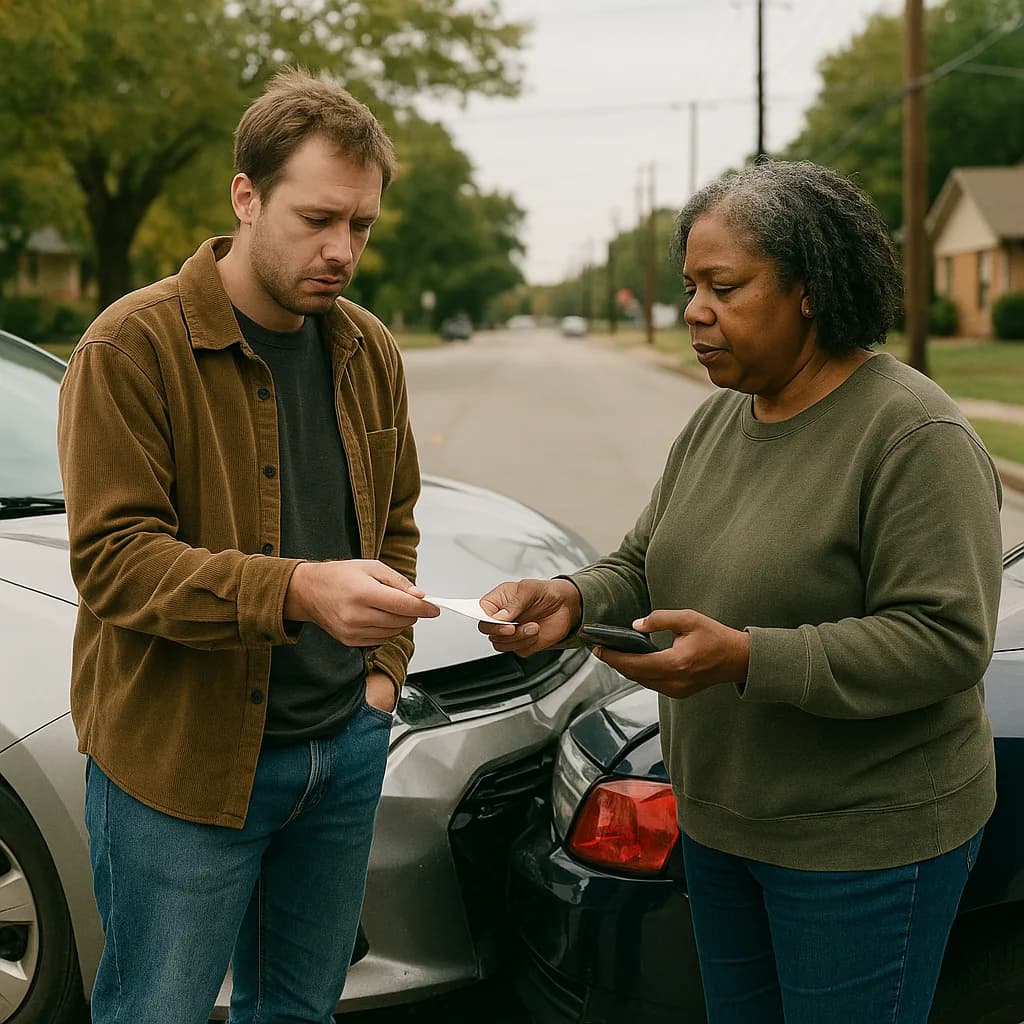
You're looking at two different protection structures. It pays the other driver when you cause an accident. It does not pay to repair or replace your own vehicle.
Full coverage adds collision and comprehensive to that liability base. Collision pays to repair your car after an accident regardless of fault. Comprehensive pays for theft, vandalism, weather damage, and animal strikes. The liability limits stay the same; you're adding protection for your own vehicles on top of the state minimum.
Compare car insurance rates in your state
Get quotes from licensed carriers — no obligation, no spam, results in minutes.
Get Your Free QuoteCalifornia Minimum Liability
These limits protect other drivers, not your own vehicle.
California Department of Insurance
The Gap Minimum Coverage Leaves
Minimum liability covers damage you cause to someone else. If you total your own car in a single-vehicle accident, your insurer pays nothing. If another driver hits you and has no insurance or inadequate limits, your minimum policy pays nothing for your vehicle repair.
California's uninsured motorist rate is 20.4 percent. One in five drivers on the road carries no insurance. If an uninsured driver totals your car, minimum coverage leaves you with the repair bill and a legal claim against someone who likely cannot pay.
Households with multiple vehicles face compounding exposure. If one household member driving an uninsured vehicle rear-ends another household vehicle in the driveway, neither car is covered under minimum liability. The at-fault driver's liability does not apply to same-household accidents, and neither vehicle carries collision.
California minimum liability pays the other driver. It does not pay to fix your car, replace a totaled vehicle, or cover theft.
What Full Coverage Actually Protects

Collision pays to repair your vehicle after an accident with another car or object, regardless of who caused it. You pay the deductible; the insurer pays the rest up to the vehicle's actual cash value.
Comprehensive pays for non-collision losses: theft, vandalism, fire, hail, flooding, falling objects, and animal strikes. It carries its own deductible, typically $500 or $1,000. If your car is stolen and not recovered, comprehensive pays the actual cash value minus the deductible. Both coverages stop paying when repair cost exceeds the vehicle's value; at that point the insurer declares a total loss and pays the pre-accident value.
Related Articles




When Minimum Coverage Makes Sense
Minimum coverage works when the vehicle's value is low enough that you can replace it out of pocket without financial strain. A general threshold: if the vehicle is worth less than twice your annual deductible spend, collision and comprehensive premiums often cost more than the protection they provide.
Older vehicles with high mileage and low resale value are common candidates. After four years you have paid nearly the vehicle's value in premiums.
Households that can absorb a total loss without disrupting other financial obligations may choose minimum coverage and self-insure the vehicle value. This works only when losing the vehicle does not prevent you from meeting work, school, or caregiving obligations that require a car.
California Uninsured Motorist Rate
20.4%
One in five California drivers carries no insurance. If an uninsured driver totals your car, minimum liability pays nothing for your vehicle. Uninsured motorist property damage coverage fills that gap.
Insurance Information Institute, 2023
When Full Coverage Is the Right Structure
Full coverage makes sense when the vehicle's value exceeds what you can comfortably replace out of pocket, or when losing the vehicle creates immediate financial or logistical hardship. Financed and leased vehicles require collision and comprehensive by contract; the lender holds a lien and will not accept the risk of an uninsured total loss.
Households with multiple vehicles face higher total exposure. Minimum coverage leaves that entire amount uninsured. Full coverage on the higher-value vehicles caps your out-of-pocket loss at the deductible.
Compare Carriers Writing Your Household
California has 27 carriers writing multi-vehicle policies with varying approaches to collision and comprehensive pricing. Some carriers price collision as a percentage of vehicle value; others use flat-rate tiers. The difference compounds across multiple vehicles.
Request quotes with and without collision and comprehensive on each vehicle. Compare the incremental cost of adding full coverage to each car against that vehicle's actual cash value. Households often choose full coverage on newer or higher-value vehicles and minimum coverage on older cars, creating a mixed structure that balances protection and cost. Use the site's comparison tool to see which carriers write your household's vehicle count and coverage mix, then request binding quotes directly.