
Car Insurance Coverage Levels — California
Free to compare
The Multi-Car Minimum Coverage Question
You're insuring two, three, or four vehicles on one California policy. You know the state minimum is $15,000 property damage, $30,000 bodily injury per person, and $60,000 bodily injury per accident. What you need to understand is whether those limits protect your household when you're managing multiple cars, or whether the per-accident cap creates exposure a single-car owner never faces.
The structural reality: California's liability limits are per-accident caps, not per-vehicle caps. When one of your household's cars causes an accident, the $60,000 bodily injury limit is the ceiling for that single event — regardless of how many vehicles sit on your policy. That per-accident structure changes the coverage calculus for households with multiple cars, higher combined asset exposure, and more frequent driving.
“California's per-accident liability cap is the same whether you insure one car or five — the minimum does not scale with vehicle count.”
Check Your Rate Against Other California Drivers
Get My California Car Insurance Quote$60,000
California Per-Accident Bodily Injury Cap
This is the maximum your liability coverage pays for all injuries in a single accident, regardless of how many vehicles are on your policy. If three people are injured and total medical costs exceed $60,000, you pay the difference.
California Department of Insurance
How Per-Accident Limits Work Across Multiple Vehicles
California's $30,000/$60,000/$15,000 minimum applies to each accident, not to each vehicle. The fact that you insure three vehicles does not triple your per-accident coverage.
This structure matters because multi-car households drive more total miles, create more accident exposure, and often carry higher combined asset value than single-car households. The per-accident cap does not scale with the number of vehicles you own. A household with four cars faces the same $60,000 bodily injury ceiling as a household with one.
The minimum property damage limit — $15,000 — covers damage your vehicle causes to someone else's property in a single accident. Multi-car households often own newer or higher-value vehicles; the minimum property damage limit has not increased since the 1980s and does not reflect current vehicle replacement costs.

Your household's per-accident liability cap is the same whether you insure one car or five. The minimum does not scale with vehicle count.
Related Articles
Collision and Comprehensive Coverage Across Multiple Vehicles
Collision coverage pays to repair or replace your own vehicle after an accident, regardless of fault. Comprehensive coverage pays for damage from theft, weather, vandalism, or animal strikes. Neither is required by California law, but lienholders require both when you finance or lease a vehicle. Multi-car households often carry a mix: collision and comprehensive on financed or newer vehicles, liability-only on older paid-off cars.
Each vehicle on your policy carries its own collision and comprehensive deductible — typically $500 or $1,000. If two of your household's cars are damaged in the same storm, you pay two deductibles. The per-vehicle deductible structure means multi-car households face higher out-of-pocket costs in events that damage multiple vehicles simultaneously. Some carriers offer a single-event deductible cap for multi-car policies; ask when comparing quotes.
Dropping collision and comprehensive on older vehicles is a common multi-car strategy. If a vehicle is worth less than ten times the annual cost of collision and comprehensive coverage, paying out of pocket to replace it often costs less than years of premium. Multi-car households can structure coverage vehicle-by-vehicle: full coverage on the financed SUV and the daily-driver sedan, liability-only on the 15-year-old pickup used twice a month.
20.4%
California Uninsured Motorist Rate
One in five California drivers carries no insurance. Uninsured motorist coverage pays your medical costs and vehicle damage when an at-fault driver has no coverage to pay your claim.
Insurance Research Council, 2023
Uninsured and Underinsured Motorist Coverage for Multi-Car Households
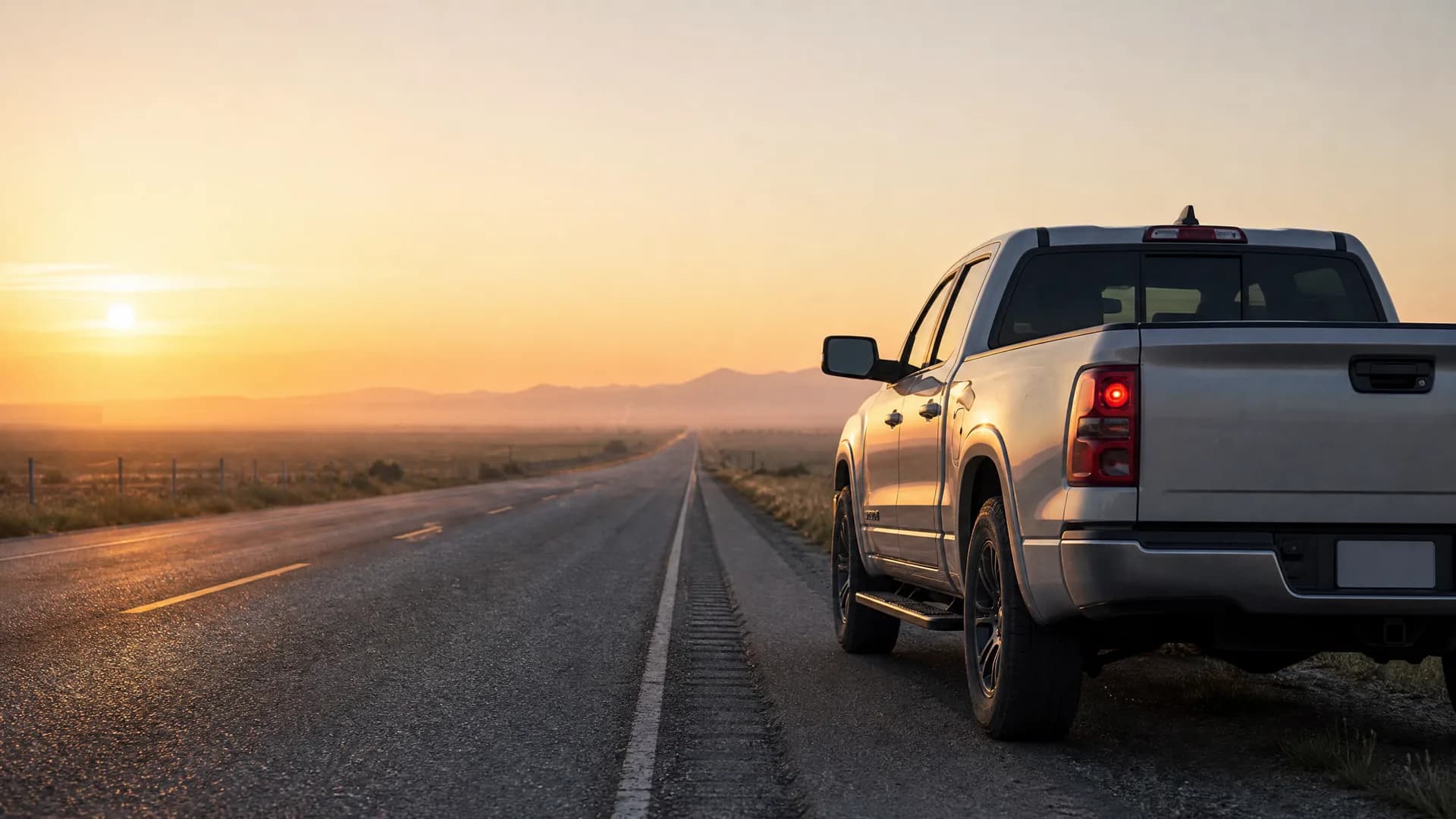
Uninsured motorist coverage is not required in California, but 20.4% of California drivers carry no insurance. When an uninsured driver hits one of your household's vehicles, your own uninsured motorist coverage pays your medical costs and, if you purchased the property damage endorsement, your vehicle repair costs. Without it, you sue the at-fault driver personally — a process that rarely recovers full damages from someone who could not afford insurance.
Underinsured motorist coverage applies when the at-fault driver carries California's minimum limits but your damages exceed those limits. Multi-car households with higher medical cost exposure — families with multiple drivers, households with teens, or drivers commuting long distances — benefit from underinsured motorist limits that match or exceed their liability limits.
Structuring Coverage Across Your Household's Vehicles
Start with liability limits that protect your household's combined assets. The per-accident cap applies regardless of vehicle count; your exposure scales with your assets, not your car count. Carriers writing multi-car policies in California include State Farm, Geico, Progressive, Farmers, Allstate, Mercury General, CSAA, and others. Compare quotes with identical liability limits across carriers to find the best rate for your household's vehicle mix.
Add uninsured motorist coverage at limits matching your liability coverage. California's 20.4% uninsured rate is among the highest in the nation; the odds one of your household's vehicles will be hit by an uninsured driver increase with the number of cars you drive and the total miles your household logs. Uninsured motorist property damage is an optional endorsement in California; add it if you carry liability-only on any vehicle and want protection when an uninsured driver damages that car.
Structure collision and comprehensive vehicle-by-vehicle. Financed and leased vehicles require both. For owned vehicles, compare the vehicle's current value to the annual cost of collision and comprehensive coverage. Drop coverage and self-insure the replacement cost. Multi-car households can carry full coverage on high-value vehicles and liability-only on older ones, reducing total premium without leaving the household unprotected.
Compare Multi-Car Quotes with Household-Appropriate Limits
California's minimum liability limits do not scale with the number of vehicles you own. A household insuring three cars faces the same per-accident cap as a household insuring one, but drives more miles, creates more exposure, and often owns higher-value assets worth protecting. Compare carriers writing California multi-car policies with liability limits that match your household's asset exposure, uninsured motorist coverage at the same limits, and collision and comprehensive structured vehicle-by-vehicle based on each car's value and financing status. Request quotes from at least three carriers with identical coverage structures to find the rate that fits your household's vehicles and budget.
When Higher Liability Limits Protect Multi-Car Households
The middle number — per-accident bodily injury — is the ceiling that matters most for multi-car households. If your household owns assets worth protecting — home equity, savings, retirement accounts — higher liability limits prevent a single accident from forcing liquidation to cover a judgment.
The property damage limit scales with the bodily injury limits most carriers offer. Multi-car households statistically own newer vehicles and face higher replacement-cost exposure when at fault.
Get Your Free Quote
Get My California Car Insurance QuoteFrequently Asked Questions
Does insuring multiple cars increase my liability coverage limits in California?
No. California's liability limits are per-accident caps, not per-vehicle caps. A household insuring four vehicles has the same $60,000 per-accident bodily injury limit as a household insuring one. The number of cars on your policy does not increase your per-accident coverage ceiling.
What liability limits should a California household with three cars carry?
Carry liability limits that protect your household's combined assets, not limits based on vehicle count. Your per-accident exposure scales with your assets, not your car count.
Can I carry different coverage levels on different vehicles on the same California policy?
Liability limits apply to the entire policy and cover all vehicles equally. Collision and comprehensive coverage can vary vehicle-by-vehicle. You can carry full coverage on financed or newer cars and liability-only on older paid-off vehicles within the same multi-car policy.
Is uninsured motorist coverage worth it for California multi-car households?
Yes. 20.4% of California drivers carry no insurance. Multi-car households drive more total miles and face higher odds of being hit by an uninsured driver. Uninsured motorist coverage pays your medical costs and vehicle damage when the at-fault driver has no coverage to pay your claim.
How do deductibles work when two of my cars are damaged in the same accident?
Each vehicle on your policy carries its own collision and comprehensive deductible. If two cars are damaged in the same event, you pay two deductibles. Some carriers offer a single-event deductible cap for multi-car policies; ask when comparing quotes.
Should I drop collision coverage on my older car if I insure multiple vehicles?
Compare the vehicle's current value to the annual cost of collision and comprehensive coverage. If the car is worth less than ten times the annual premium, self-insuring the replacement cost often saves money over time. Multi-car households can structure coverage vehicle-by-vehicle based on each car's value and use.