
Ticket Rate Increases — California
Free to compare
How a Single Ticket Affects Your Multi-Vehicle Policy
You received a ticket in California and you insure two or more vehicles on one policy. The question you're asking: does the rate increase apply once to the entire policy, or does it multiply across every car you insure? The answer determines whether you face a manageable bump or a compounding cost problem.
California carriers rate multi-vehicle policies by assigning each driver to a primary vehicle, then applying that driver's record to the vehicle's premium. A ticket surcharge hits the vehicle the cited driver is assigned to, not every car on the policy. The total increase depends on which car you drive and how your carrier structures driver-to-vehicle assignments.
“The ticket surcharge applies to one vehicle on your policy, not every car, but which vehicle depends on driver assignment.”

Check Your Rate Against Other California Drivers
Get My California Car Insurance Quote+17–85%
California At-Fault Accident Increase
California drivers with an at-fault accident see premium increases ranging from 17% to 85% above a clean record, per California DOI Auto Premium Survey 2026. Ticket surcharges follow similar carrier-specific ranges.
California DOI Auto Premium Survey 2026
The Structural Reality: Policy-Level Rating, Vehicle-Specific Application
California law requires carriers to rate each driver individually and assign that driver to one primary vehicle on the policy. The ticket surcharge applies to the premium for that vehicle only. If you drive the most expensive car on your policy, the surcharge compounds on a higher base premium. If you drive the least expensive car, the surcharge applies to a lower base.
This structure creates a common misconception: households assume the ticket will raise the cost of every car equally. It does not. The carrier applies the surcharge to the vehicle you're assigned to, then recalculates the total policy premium. Other vehicles on the policy are unaffected unless the carrier reassigns drivers at renewal.
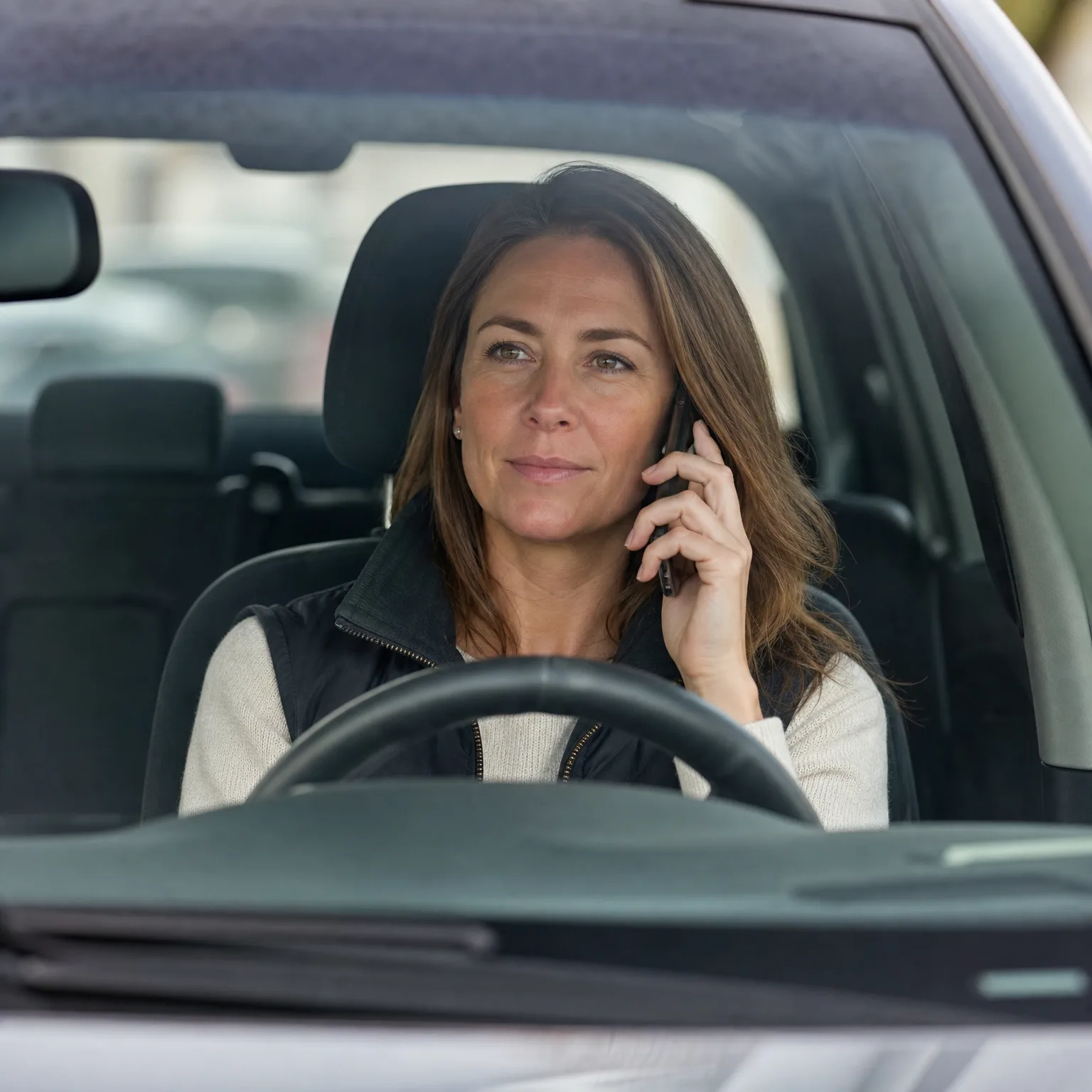
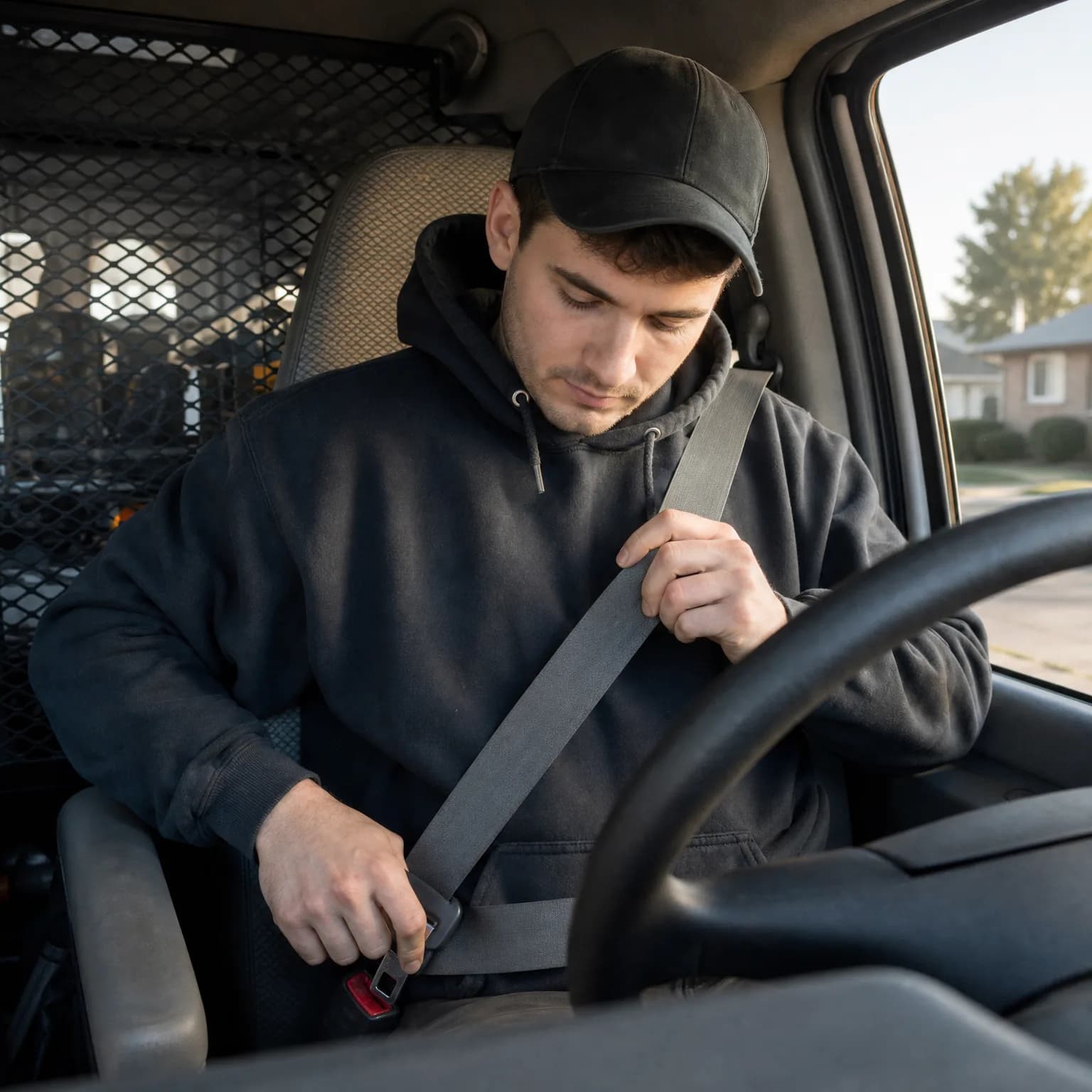
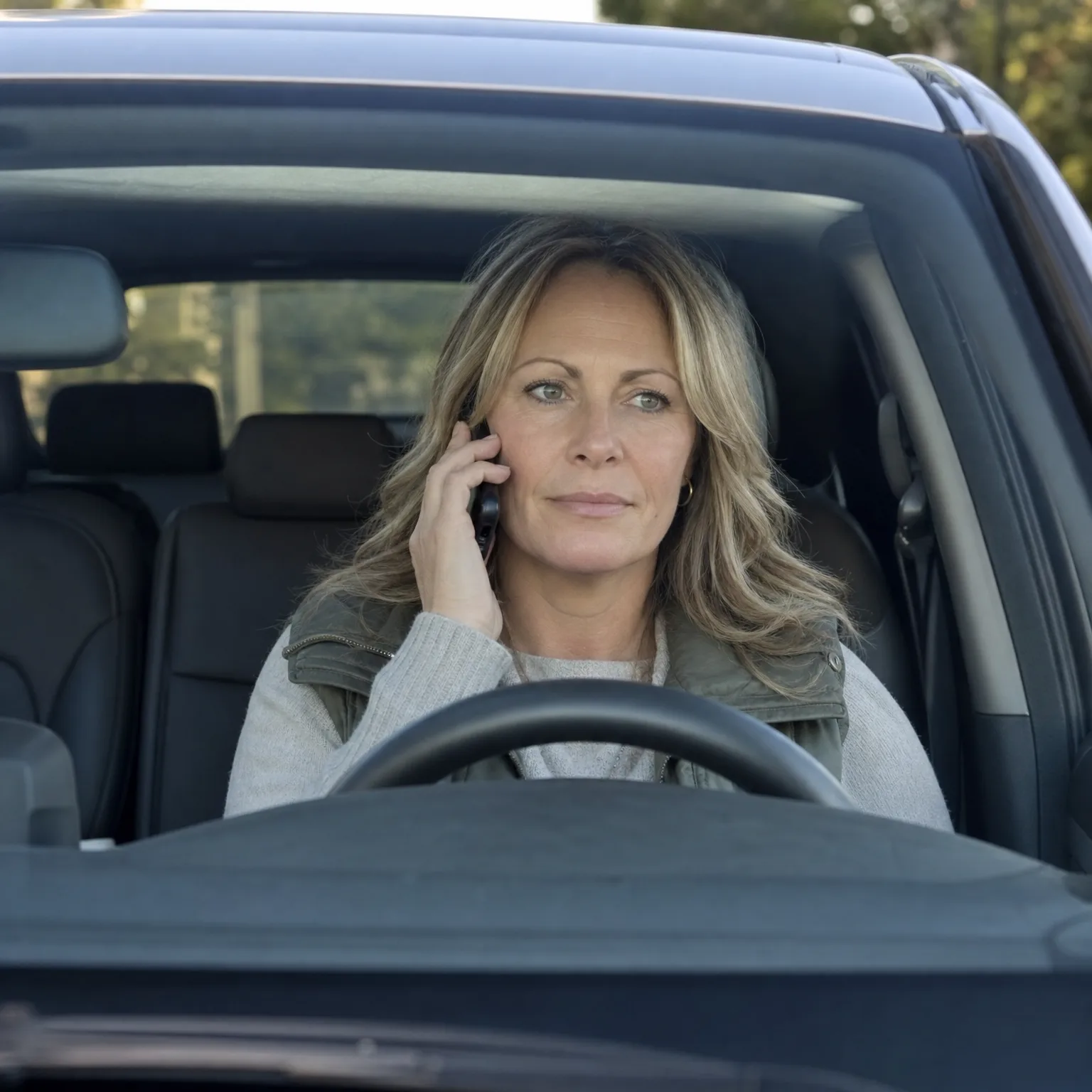
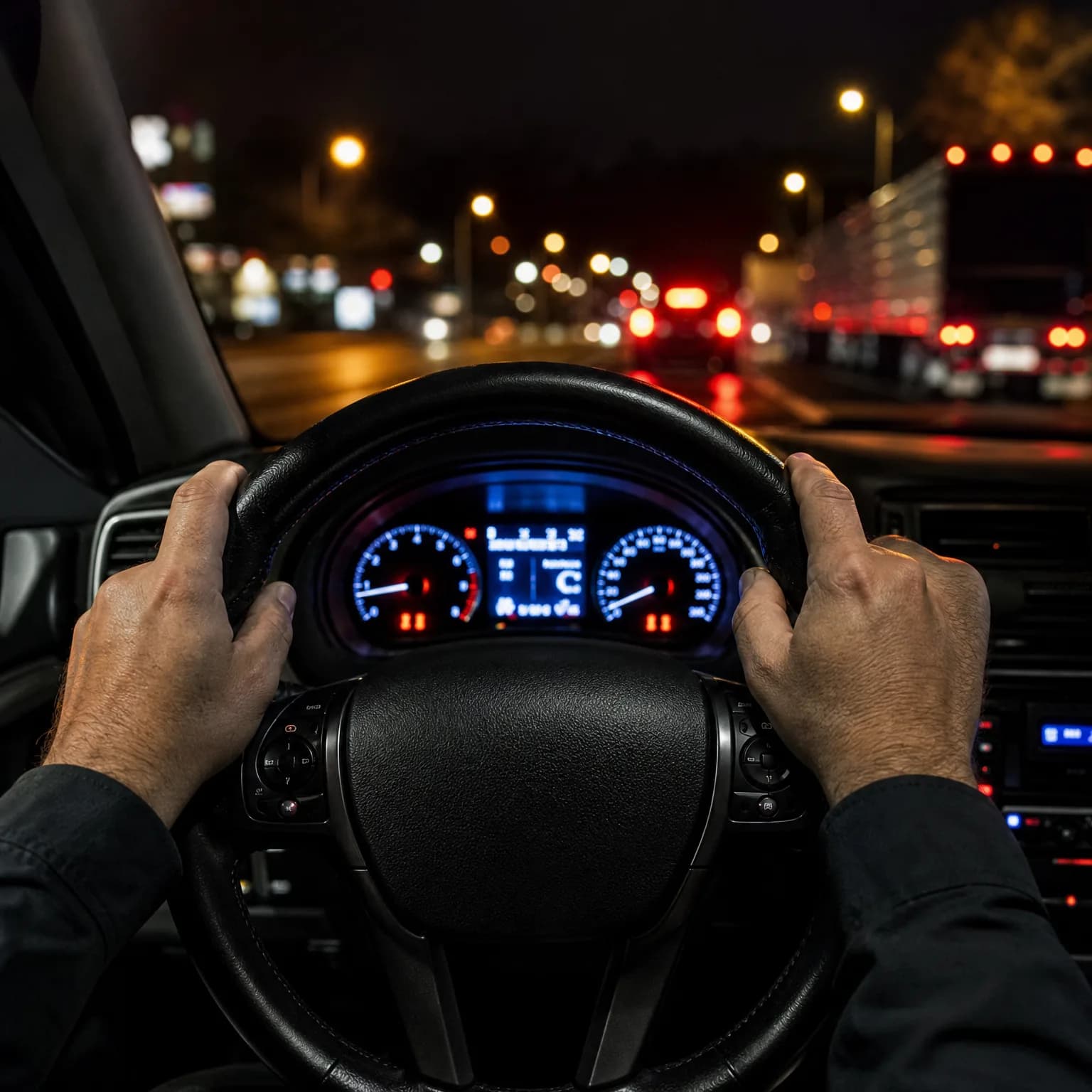
Driver assignment matters. If your household has three cars and two drivers, the carrier assigns each driver to a primary vehicle and rates the third car under the household's lowest-risk driver. A ticket changes the risk profile of one driver, which may prompt the carrier to reassign vehicles to minimize total premium. You may see the ticket surcharge move from one car to another at renewal without warning.

The ticket surcharge applies to one vehicle, but carrier reassignment at renewal can shift which car carries the higher premium.



What Happens at Renewal
Your carrier pulls your motor vehicle record 30–45 days before renewal. If the ticket conviction appears, the carrier recalculates your premium with the surcharge applied to the vehicle you're assigned to. You receive a renewal notice showing the new premium. Most California carriers do not apply the surcharge mid-term unless you add a vehicle or driver, which triggers a full policy re-rate.
If you insure multiple vehicles and multiple drivers, the carrier may reassign drivers to vehicles at renewal to minimize total premium or comply with underwriting rules. A household with three cars and two drivers may see the ticketed driver reassigned from the newest car to the oldest, shifting the surcharge to a lower base premium. This reassignment is automatic and carrier-specific. You can request a different assignment, but the carrier controls the final structure.
Some carriers offer accident forgiveness or violation forgiveness programs that waive the first ticket surcharge. These programs are optional endorsements, not automatic. If you enrolled before the ticket, the surcharge may not apply. If you did not enroll, you pay the full increase. California law does not require carriers to offer forgiveness programs, and availability varies by carrier.
20.4%
California Uninsured Motorist Rate
One in five California drivers is uninsured, per 2023 data. Uninsured motorist coverage protects your household's vehicles when an uninsured driver causes an accident, and the premium for this coverage is unaffected by your ticket.
NAIC uninsured motorist data 2023

Comparing Carriers After a Ticket
California carriers vary widely in how they surcharge violations. The variation stems from each carrier's loss model and risk appetite. After a ticket, you are no longer a preferred-risk driver at most carriers, but you are not automatically moved to non-standard tier unless you accumulate multiple violations or a DUI.
Carriers that specialize in multi-vehicle households often apply smaller surcharges than carriers that focus on single-vehicle policies. The multi-car discount offsets part of the ticket surcharge, and some carriers weight the discount more heavily than others. Comparing quotes after a ticket is the only way to determine which carrier offers the lowest total premium for your household's vehicles.
What to Do Right Now
Pull your current policy declarations page and identify which driver is assigned to which vehicle. If you received the ticket and you're assigned to the most expensive car on your policy, contact your carrier and ask whether reassigning you to a lower-value vehicle reduces the total premium. Not all carriers allow mid-term reassignment, but some do.
Request quotes from at least three carriers that write multi-vehicle policies in California. Provide your current coverage limits, vehicle details, and the ticket conviction date. Compare the total policy premium, not just the per-vehicle rate. The carrier with the lowest rate before the ticket may not be the lowest after. Use the site's comparison tool to see which carriers write your household's vehicle count and driver profile, then request quotes directly.
How Carriers Calculate the Increase
A speeding ticket 1–15 mph over the limit produces a smaller surcharge than reckless driving or a DUI. California assigns point values to violations: one point for most moving violations, two points for reckless driving or hit-and-run. Carriers translate points into premium surcharges using proprietary models. The California DOI Auto Premium Survey 2026 shows speeding violations 1–15 mph over increase premiums 12–71% depending on carrier and base rate.
The surcharge applies for three years from the conviction date, not the citation date. If you contest the ticket and the conviction is delayed, the surcharge clock starts when the court enters the conviction. Carriers check your motor vehicle record at renewal. If the conviction appears between renewals, the surcharge applies at the next renewal date, not immediately.
Get Your Free Quote
Get My California Car Insurance QuoteFrequently Asked Questions
Does a ticket in California raise the premium on every car I insure?
No. California carriers assign each driver to one primary vehicle and apply the ticket surcharge to that vehicle's premium only. The total policy premium increases, but the surcharge does not multiply across every car you insure.
How long does a ticket affect my California car insurance rate?
Three years from the conviction date. California carriers apply the surcharge at your next renewal after the conviction appears on your motor vehicle record, and the surcharge remains for three years.
Can I lower my premium by reassigning drivers to different vehicles after a ticket?
Sometimes. If the ticketed driver is assigned to the most expensive vehicle on your policy, reassigning that driver to a lower-value vehicle may reduce the total premium. Contact your carrier to ask whether mid-term reassignment is allowed.
Will my multi-car discount disappear after a ticket in California?
No. The multi-car discount applies to the policy structure, not to individual driver records. A ticket increases the premium for one vehicle, but the discount remains in effect as long as you insure multiple vehicles on the same policy.
Should I compare carriers after getting a ticket in California?
Yes. California carriers vary widely in how they surcharge violations. Comparing quotes after a ticket often produces a lower total premium than staying with your current carrier.