
Full Coverage Car Insurance Cost — California
Free to compare
What Full Coverage Costs When You Insure Multiple Vehicles
You own two or three cars, you've confirmed California's minimum liability requirement is $30,000 per person, $60,000 per accident, and $15,000 property damage, and now you're deciding whether to add collision and comprehensive to every vehicle or just carry the state minimum. The question isn't whether full coverage costs more — it does — but whether the gap between minimum and full is worth closing when one of your cars gets hit by California's 20.4% uninsured-motorist population or stolen in a state with 389.7 thefts per 100,000 residents.
Full coverage means liability plus collision plus comprehensive on the same policy. Collision pays for damage to your car when you cause the accident. Comprehensive pays for theft, vandalism, weather, and animal strikes. Minimum coverage stops at liability — the state requirement — and leaves your own vehicle's repair or replacement cost entirely on you. When you insure multiple vehicles, that decision compounds: three cars at minimum versus three cars at full coverage is not a small premium difference, but three unprotected assets versus three protected ones is not a small risk difference either.
“If your household cannot replace a totaled vehicle out of pocket, minimum coverage does not meet your actual risk.”

Check Your Rate Against Other California Drivers
Get My California Car Insurance Quote20.4%
California Uninsured Motorist Rate
One in five California drivers carries no insurance. When an uninsured driver hits your car, your liability-only policy pays nothing for your vehicle's damage — collision coverage is the only protection that repairs your car regardless of who caused the accident.
Insurance Research Council, 2023
The Structural Reality of Minimum Versus Full Coverage
Minimum coverage meets California's legal requirement to register and drive. It does not protect your vehicle. If you cause an accident, liability pays the other driver's bills up to your policy limits. If someone hits you and they carry insurance, their liability pays your repair. If you cause the accident or the other driver is uninsured, your car sits damaged and your liability policy contributes zero dollars toward fixing it.
Full coverage closes that gap. Collision pays your repair or replacement cost minus your deductible when you cause the accident or when the at-fault driver is uninsured and you cannot recover from them. Comprehensive pays when your car is stolen, vandalized, or damaged by something other than a collision — weather, falling objects, animal strikes. Both coverages are optional under California law, but they are the only mechanism that protects the vehicle itself.
The cost difference scales with the number of vehicles you insure. A household with three cars pays three times the collision and comprehensive premium a single-car household pays, but it also protects three times the asset base. The structural question is whether the combined value of your vehicles justifies the combined cost of protecting them, and whether your household can absorb the loss of one or more cars without insurance proceeds.
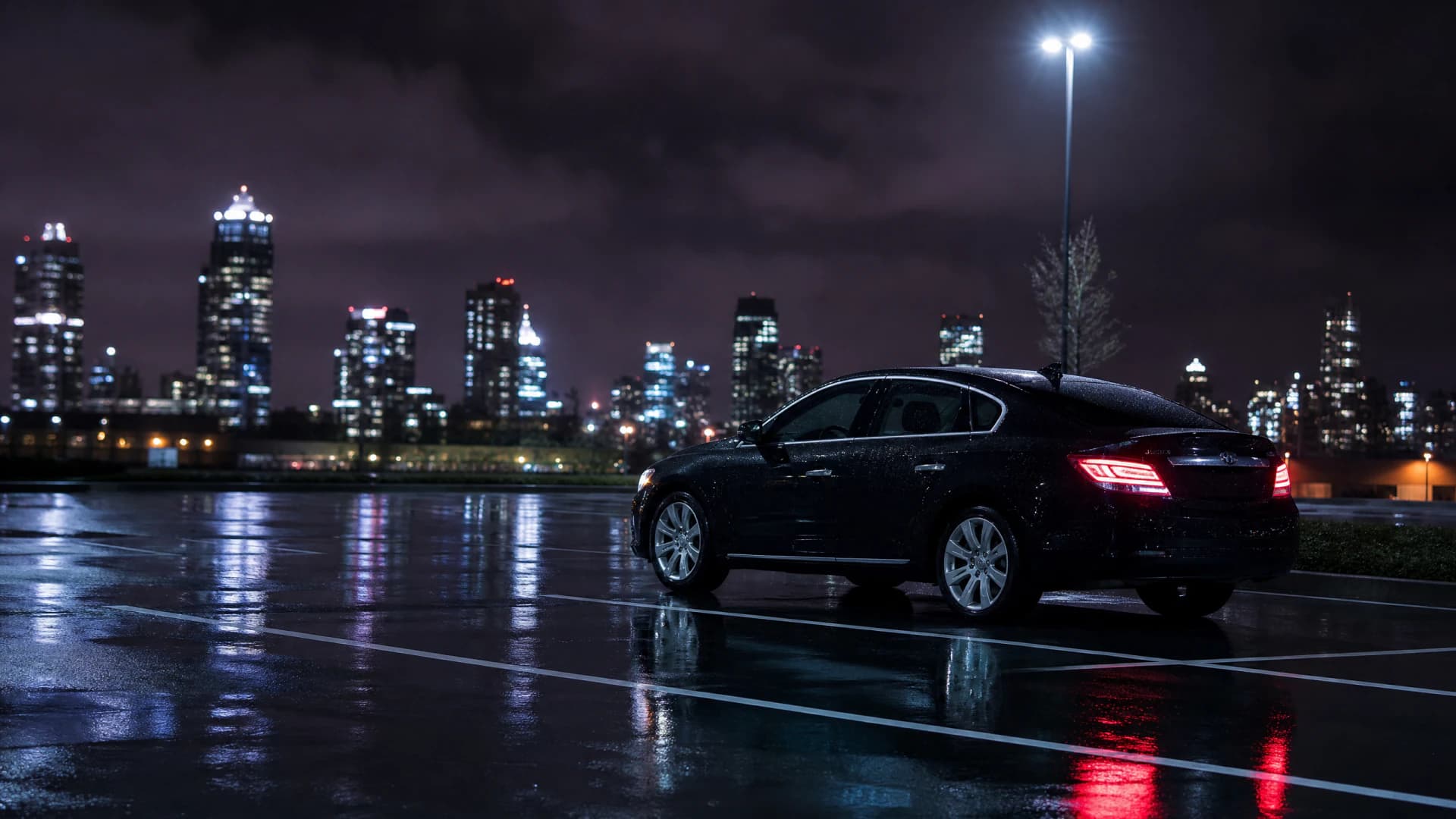
If your household cannot replace a totaled vehicle out of pocket, minimum coverage does not meet your actual risk — it only meets the state's registration requirement.

How California's Uninsured Rate and Theft Statistics Change the Calculation
California's 20.4% uninsured-motorist rate is the highest-impact figure in the full-coverage decision. When an uninsured driver hits your car, their liability policy does not exist. Your liability-only policy does not cover your own vehicle. The only coverage that pays your repair is collision on your own policy. Without it, you pay the full repair or replacement cost yourself, or you pursue the at-fault driver in small claims court — a process that takes months and often recovers nothing because uninsured drivers typically lack assets to collect against.
California's motor vehicle theft rate is 389.7 thefts per 100,000 population, well above the national median. Comprehensive coverage is the only protection against theft. If your car is stolen and you carry liability only, the insurer pays nothing — you file a police report and replace the car out of pocket. If you carry comprehensive, the insurer pays the vehicle's actual cash value minus your deductible, typically within days of the theft being confirmed unrecovered.
These risks compound when you insure multiple vehicles. A household with three cars faces three separate theft exposures and three separate collision exposures. The probability that at least one vehicle in a multi-car household experiences a theft or uninsured-motorist collision over a five-year policy period is materially higher than the per-vehicle rate suggests. Full coverage on every vehicle protects the household's total asset base; full coverage on some vehicles but not others leaves gaps that surface the moment the unprotected car is hit.
389.7 per 100k
California Vehicle Theft Rate
California's theft rate is among the highest in the nation. Comprehensive coverage is the only insurance protection that pays when your car is stolen — liability and collision do not cover theft.
FBI Uniform Crime Reporting, 2024

When Minimum Coverage Makes Sense and When It Does Not
Minimum coverage makes structural sense when the vehicle's value is low enough that replacing it out of pocket costs less than the cumulative full-coverage premium you would pay over the vehicle's remaining life. If the car's remaining useful life is three years, minimum coverage is the rational choice.
Full coverage makes structural sense when the vehicle's value exceeds your household's liquid savings, when losing the vehicle would disrupt income or daily function, or when the vehicle is financed or leased. Lenders require collision and comprehensive until the loan is paid off, because the car is collateral. If you own the car outright but cannot replace it without a loan, full coverage is effectively required by your financial position even though the state does not mandate it.
Compare Full Coverage Cost Across Carriers Writing California
Full coverage cost varies significantly by carrier. The same household with the same vehicles and the same coverage selections will receive different premiums from Geico, State Farm, Progressive, Allstate, and Mercury General, because each carrier uses a different risk model and a different base rate structure. Some carriers price collision and comprehensive as a percentage of vehicle value; others use flat-rate tiers. Some carriers offer larger multi-car discounts that reduce the per-vehicle cost when you insure three or more cars on one policy; others apply smaller discounts but start from a lower base rate.
The only way to determine your household's actual full-coverage cost is to request quotes from multiple carriers writing California, provide identical vehicle and driver information to each, and compare the total annual premium for full coverage on every car. The lowest-cost carrier for minimum coverage is often not the lowest-cost carrier for full coverage, because the collision and comprehensive pricing models differ. Comparing at least three carriers is standard; comparing five or more captures the full range and often surfaces a materially lower option.
What Drives Full Coverage Cost Across Multiple Vehicles
Collision and comprehensive premiums are tied to the vehicle's actual cash value — the amount the insurer would pay to replace it if totaled. When you insure multiple vehicles, the total full-coverage premium is the sum of each vehicle's individual collision and comprehensive cost, plus the shared liability base. A household with one new car and two older cars will see a higher full-coverage cost on the new car and a lower cost on the older ones.
Deductible choice directly controls premium. A $500 collision deductible costs more per month than a $1,000 deductible, because the insurer pays sooner and more often. Choosing a higher deductible on every vehicle in your household lowers the total full-coverage premium, but it also raises the out-of-pocket cost you pay before insurance kicks in after a claim. The correct deductible is the highest amount your household can pay without financial strain if multiple vehicles are damaged in the same event — a multi-car accident or a hailstorm that hits your driveway.
Get Your Free Quote
Get My California Car Insurance QuoteFrequently Asked Questions
What is full coverage car insurance in California?
Full coverage is liability plus collision plus comprehensive on the same policy. Liability meets California's $30,000/$60,000/$15,000 minimum and pays the other driver's costs when you cause an accident. Collision pays your vehicle's repair or replacement when you cause the accident or the at-fault driver is uninsured. Comprehensive pays when your car is stolen, vandalized, or damaged by weather or animals.
Does California require full coverage car insurance?
No. California requires liability only: $30,000 per person, $60,000 per accident, $15,000 property damage. Collision and comprehensive are optional unless your lender requires them as a condition of your auto loan or lease. Most financed vehicles must carry full coverage until the loan is paid off.
How much does full coverage cost for multiple cars in California?
Full coverage cost depends on each vehicle's value, your household's driving records, deductible choices, and the carrier. A household insuring three vehicles will pay three times the per-vehicle collision and comprehensive premium, plus the shared liability base. Comparing quotes from multiple carriers writing California is the only way to determine your household's actual cost.
Should I carry full coverage on every car I own?
Carry full coverage on any vehicle your household cannot replace out of pocket, any vehicle that is financed or leased, and any vehicle whose loss would disrupt income or daily function. Minimum coverage makes sense only when the vehicle's value is low enough that replacing it costs less than the cumulative full-coverage premium over the car's remaining life.
What happens if an uninsured driver hits my car in California?
If you carry liability only, your policy pays nothing for your vehicle's damage. You can pursue the at-fault driver in small claims court, but uninsured drivers typically lack assets to collect against. Collision coverage on your own policy is the only insurance protection that pays your repair regardless of whether the at-fault driver carries insurance.
Does full coverage protect against theft in California?
Yes. Comprehensive coverage pays your vehicle's actual cash value minus your deductible when your car is stolen. Liability and collision do not cover theft. California's vehicle theft rate is 389.7 per 100,000 population, among the highest in the nation, making comprehensive coverage a structural necessity for most households.