
State Farm Multi-Car Insurance — California
Free to compare
State Farm Multi-Car Coverage in California
You own two or three vehicles, you're comparing carriers, and State Farm keeps appearing in your search results. You need to know whether State Farm's multi-car discount structure works for your household in California, what it costs to add a second or third vehicle to a State Farm policy, and whether the carrier writes the coverage combinations your household actually needs.
State Farm writes standard auto insurance in California across preferred-tier households. The carrier offers multi-car policies and writes non-owner coverage for drivers without a titled vehicle. State Farm does not write SR-22 non-owner policies in California, creating a structural gap for households that need both standard multi-vehicle coverage and a non-owner filing under one carrier. If your household needs only standard coverage across owned vehicles, State Farm remains a viable comparison point. If any household member needs a non-owner filing, you'll split coverage across carriers or choose a carrier that writes both products.
“State Farm writes multi-car policies but not SR-22 non-owner coverage, forcing households that need both to split across carriers.”
Check Your Rate Against Other California Drivers
Get My California Car Insurance Quote$30,000 / $60,000 / $15,000
California Liability Minimums
California requires $30,000 bodily injury per person, $60,000 bodily injury per accident, and $15,000 property damage. Every vehicle on your multi-car policy must carry at least these limits.
California DMV
How State Farm Structures Multi-Vehicle Policies
State Farm writes multi-car policies by adding each titled vehicle to a single policy under one named insured. The multi-car discount applies when you insure two or more vehicles on the same policy, garaged at the same address. Adding a vehicle mid-term re-rates the entire policy rather than simply appending a flat vehicle charge, because the carrier recalculates the household's combined risk profile each time the vehicle count changes.
The discount mechanism rewards consolidation: every vehicle on one policy, every driver listed, every car garaged at the primary address. A vehicle titled to a household member who maintains a separate policy at a different address does not count toward the same-policy discount, even if that person lives in your home part-time. State Farm's underwriting treats the policy as a household unit, not a collection of individual vehicles.
When you add a third or fourth vehicle, the per-vehicle discount typically increases because the carrier spreads administrative overhead and risk across more units. The total premium rises, but the per-vehicle average often falls. This structure favors households that consolidate every car under one policy and penalizes split-policy arrangements.

State Farm does not write SR-22 non-owner coverage in California. Households needing both standard multi-car coverage and a non-owner filing must split across carriers.
Related Articles


Adding a Vehicle to an Existing State Farm Policy
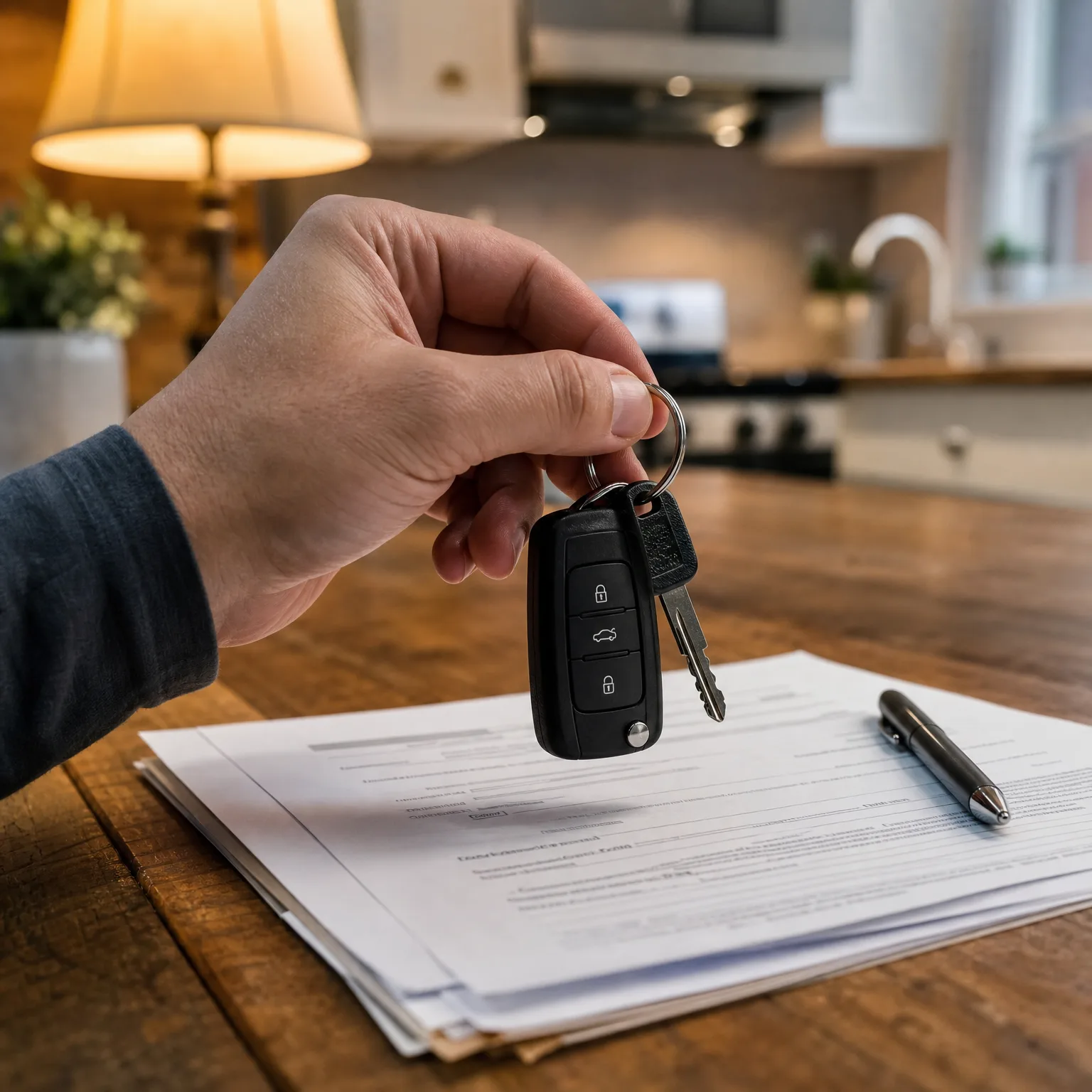
State Farm provides a grace period for newly purchased vehicles, during which the new car is covered under your existing policy's terms. The grace period lasts 30 days in California, but coverage applies only if you report the vehicle to State Farm within that window. If you buy a car on the 15th and report it on the 20th, the vehicle was covered from the 15th forward. If you report it on day 35, the vehicle was never covered, and any claim filed during the gap will be denied.
When you report the new vehicle, State Farm re-rates the entire policy. The carrier recalculates the premium based on the new vehicle's make, model, year, garaging address, and the combined risk profile of all vehicles now on the policy. The multi-car discount adjusts automatically, but the total premium will rise because you added a unit. The per-vehicle average may fall, but the household's total cost increases.
Failure modes: forgetting to report the vehicle within the grace period, assuming the new car is covered indefinitely without notification, and discovering at claim time that the vehicle was never added. State Farm does not remind you to report a new purchase. The 30-day window is a hard deadline, not a suggestion.
25 carriers
California Auto Insurance Roster
California's auto insurance market includes 25 carriers writing coverage in the state. State Farm, Geico, Progressive, Mercury General, and Farmers dominate the standard-tier multi-car market, while Bristol West, Dairyland, and The General serve non-standard households.
California Department of Insurance
When State Farm Does Not Fit Your Household Structure
State Farm works for households that own two or more titled vehicles, garage them at the same address, and need only standard liability, collision, comprehensive, and uninsured motorist coverage. The carrier does not work for households where one member needs a non-owner policy with an SR-22 filing, because State Farm does not write that product combination in California.
If your household includes a driver who does not own a car but needs proof of insurance to reinstate a suspended license, that driver needs a non-owner policy with an SR-22 filing. State Farm writes non-owner policies without filings. Geico, Progressive, and Mercury General write non-owner policies with SR-22 filings, allowing the household to consolidate all coverage under one carrier. Splitting coverage across State Farm for the owned vehicles and Geico for the non-owner filing is possible but adds administrative overhead: two policies, two renewal cycles, two billing schedules, two customer-service contacts.
Compare Carriers That Write Your Household's Coverage Needs
Start by listing every vehicle your household owns and every driver who needs coverage. Identify whether any driver needs a non-owner policy, whether any driver needs an SR-22 filing, and whether all vehicles are garaged at the same address. If the answer to all filing and non-owner questions is no, State Farm competes on equal structural footing with Geico, Progressive, Allstate, Farmers, and Mercury General. If any driver needs a non-owner filing, narrow your comparison to Geico, Progressive, and Mercury General, which write both standard multi-car policies and SR-22 non-owner coverage.
Request quotes from at least three carriers that write your household's exact coverage combination. Compare the total premium, the per-vehicle breakdown, the multi-car discount amount, and the policy structure. A smaller discount on a lower base premium can beat a larger discount on a higher one. The carrier that offers the lowest total cost for your household's specific vehicle count and coverage needs wins, not the carrier with the biggest advertised discount.
Comparing State Farm Against California's Multi-Car Carrier Roster
State Farm writes standard multi-car policies and non-owner coverage separately but does not combine non-owner with an SR-22 filing. Geico, Progressive, and Mercury General write both standard multi-vehicle policies and SR-22 non-owner coverage, allowing a household to consolidate standard vehicles and a non-owner filing under one carrier. Bristol West, Dairyland, Kemper, and The General write SR-22 non-owner policies but operate in the non-standard tier, where base premiums run higher even before the multi-car discount applies.
If your household needs only standard coverage across owned vehicles, State Farm competes directly with Geico, Progressive, Allstate, Farmers, and Mercury General. If any household member needs a non-owner filing, Geico and Progressive offer the structural advantage of writing both products under one policy, eliminating the need to coordinate coverage across two carriers. Households that value single-carrier consolidation should compare Geico and Progressive first when a non-owner filing is part of the coverage picture.
Get Your Free Quote
Get My California Car Insurance QuoteFrequently Asked Questions
Does State Farm offer a multi-car discount in California?
State Farm offers a multi-car discount when you insure two or more vehicles on the same policy, garaged at the same address. The discount applies automatically when you add a second vehicle. The per-vehicle discount typically increases when you add a third or fourth car.
Can I add a vehicle to my State Farm policy mid-term?
You can add a vehicle to your State Farm policy at any time. State Farm provides a 30-day grace period during which a newly purchased vehicle is covered under your existing policy, but you must report the vehicle within that window. Reporting the vehicle triggers a policy re-rate based on the new vehicle's risk profile.
Does State Farm write SR-22 non-owner policies in California?
State Farm writes non-owner policies in California but does not write SR-22 non-owner policies. If you need a non-owner policy with an SR-22 filing, Geico, Progressive, and Mercury General write that product combination in California.
How does State Farm compare to Geico for multi-car coverage in California?
State Farm and Geico both write standard multi-car policies in California. Geico writes SR-22 non-owner coverage; State Farm does not. If your household needs only standard coverage across owned vehicles, both carriers compete on equal structural footing. If any household member needs a non-owner filing, Geico offers the structural advantage of consolidating all coverage under one policy.
What happens if I forget to report a new vehicle to State Farm within the grace period?
If you do not report a newly purchased vehicle to State Farm within the 30-day grace period, the vehicle was never covered. Any claim filed during the gap will be denied. State Farm does not remind you to report a new purchase; the 30-day window is a hard deadline.
Can I insure vehicles garaged at two different addresses on one State Farm policy?
State Farm's multi-car discount requires all vehicles to be garaged at the same address. A vehicle garaged at a different address may still be added to the policy, but it will not count toward the multi-car discount and may trigger a higher premium due to the different garaging location's risk profile.