
Cheap Full Coverage Car Insurance — California
Free to compare
Why Full Coverage for Multiple Cars Costs More Than You Expected
You added full coverage to a second or third vehicle in California and the premium jumped more than the first car's rate. The multi-car discount applied, but the total monthly cost is still higher than you anticipated. You are trying to understand where the cost comes from and whether you are structuring coverage correctly.
Full coverage means liability plus collision and comprehensive on every vehicle. California requires $15,000 property damage and $30,000 bodily injury per person as minimums, but full coverage adds physical-damage protection to each car. The multi-car discount reduces the per-vehicle rate when every car sits on one policy, but it does not eliminate the base cost of insuring each vehicle's collision and comprehensive exposure. The total premium reflects the combined value and risk profile of every car on the policy, not a flat per-vehicle add.
“The multi-car discount lowers liability but does not proportionally reduce collision premiums, which are rated per vehicle by value and deductible.”
Check Your Rate Against Other California Drivers
Get My California Car Insurance Quote$1,223.16
California Average Annual Auto Expenditure Per Vehicle
The average annual auto insurance expenditure per insured vehicle in California was $1,223.16 in 2023. This figure includes all coverage types and reflects the state's high vehicle-theft rate and uninsured-motorist population.
NAIC Auto Insurance Database Report 2023
How the Multi-Car Discount Actually Works Across Full Coverage Policies
The multi-car discount applies to the liability portion of each vehicle's premium when every car sits on the same policy and shares a garaging address. Collision and comprehensive premiums are calculated separately for each vehicle based on its actual cash value, deductible, and theft risk. The discount does not reduce the physical-damage premium by the same percentage it reduces liability.
A household with three vehicles on one California policy receives the multi-car discount on the combined liability exposure, but each car's collision and comprehensive premium is still rated individually. A newer vehicle with a $500 collision deductible costs more to insure than an older vehicle with a $1,000 deductible, even when both sit on the same policy and benefit from the same multi-car discount on liability.
Carriers writing multi-vehicle policies in California include State Farm, Geico, Progressive, Farmers, Mercury General, Allstate, and Liberty Mutual. Each calculates the multi-car discount differently, and the discount percentage varies by carrier. Comparing carriers that write your household's vehicles is the only way to determine which combination of base rate and discount produces the lowest total premium.
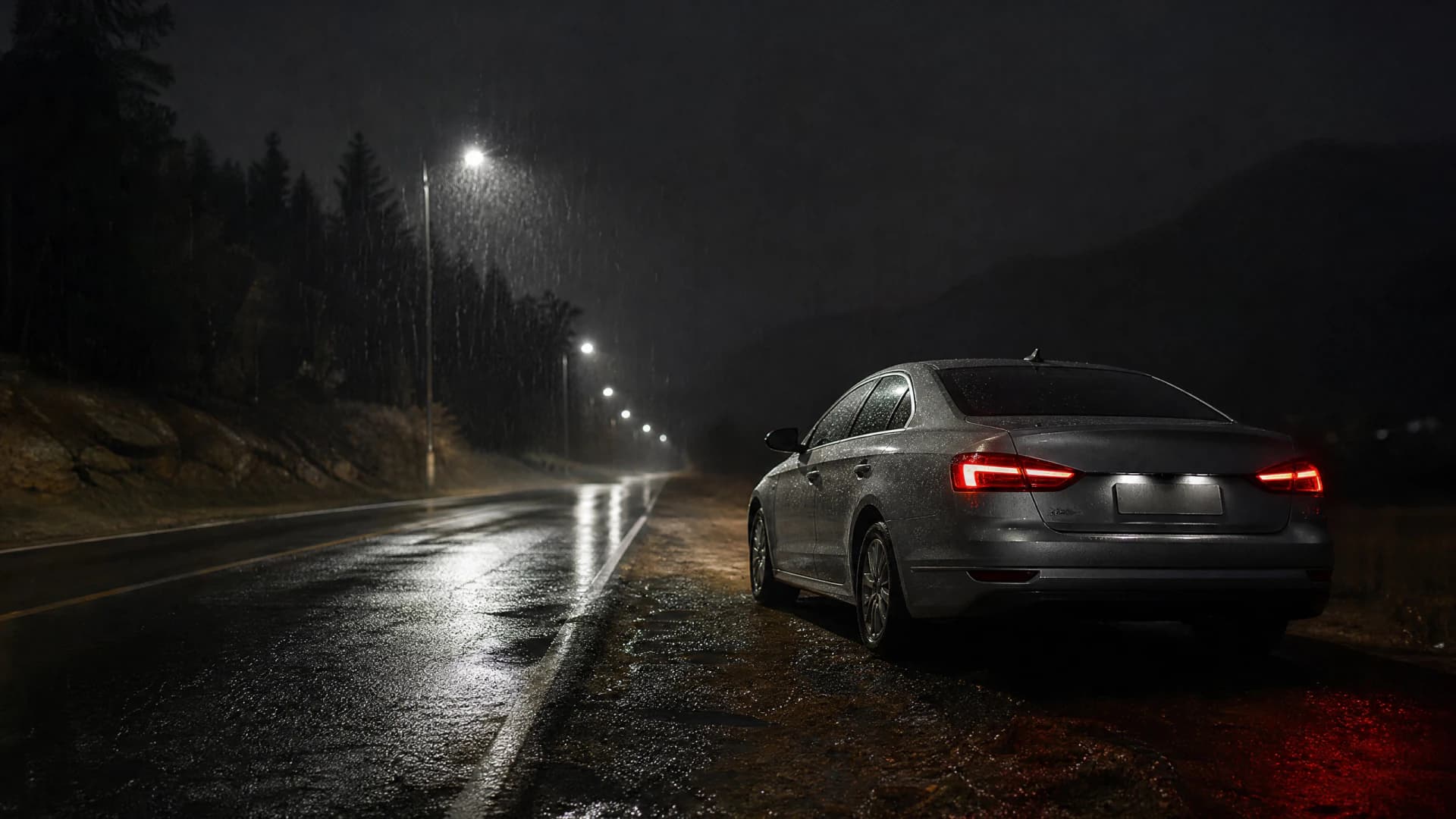
The multi-car discount lowers liability rates but does not proportionally reduce collision and comprehensive premiums, which are rated per vehicle by value and deductible.
Related Articles





When to Drop Collision or Comprehensive on Older Vehicles
Collision and comprehensive coverage pay the actual cash value of the vehicle minus the deductible. When a vehicle's value drops below three to four times the annual collision and comprehensive premium, the coverage costs more than the maximum payout justifies. Dropping physical-damage coverage on older vehicles while keeping liability and uninsured-motorist coverage lowers the total premium without leaving the household underinsured.
California does not require collision or comprehensive coverage. The state mandates only liability minimums: $15,000 property damage, $30,000 bodily injury per person, and $60,000 bodily injury per accident. A household with four vehicles can carry full coverage on two newer cars and liability-only on two older cars, maintaining the multi-car discount across all four while eliminating the collision and comprehensive premiums on the lower-value vehicles.
Carriers calculate the multi-car discount based on the number of vehicles on the policy, not the coverage level on each vehicle. Dropping collision and comprehensive on one car does not eliminate the multi-car discount for the other vehicles. The discount applies to the liability premium on every car, regardless of whether that car carries physical-damage coverage.
20.4%
California Uninsured Motorist Rate
20.4 percent of California motorists were uninsured in 2023. Uninsured-motorist coverage protects your household when an at-fault driver carries no insurance, and the premium is lower than collision or comprehensive on most multi-vehicle policies.
Insurance Information Institute 2023
Adding Uninsured-Motorist Coverage Without Overpaying
California does not require uninsured-motorist coverage, but 20.4 percent of drivers in the state carry no insurance. Uninsured-motorist bodily injury coverage pays medical expenses and lost wages when an at-fault driver has no liability insurance. Uninsured-motorist property damage covers vehicle repair when the at-fault driver cannot pay. The premium for uninsured-motorist coverage is lower than collision or comprehensive on most policies, and it applies across every vehicle and driver on the policy without a per-vehicle multiplier.
A household with three vehicles pays one uninsured-motorist premium that covers all three cars and all listed drivers. Collision coverage, by contrast, is priced separately for each vehicle. Adding uninsured-motorist coverage to a multi-vehicle policy costs less than adding collision to a third vehicle, and it protects the household against a higher-probability risk in California than in states with lower uninsured-motorist rates.
Compare Carriers That Write Multi-Vehicle Policies in California
State Farm, Geico, Progressive, Farmers, Mercury General, Allstate, Liberty Mutual, Travelers, Nationwide, and CSAA all write multi-vehicle policies in California. Each carrier calculates the multi-car discount differently, and base rates vary by underwriting model. A carrier with a lower base rate and a smaller multi-car discount can produce a lower total premium than a carrier with a higher base rate and a larger discount.
Mercury General and CSAA are California-headquartered carriers with multi-vehicle underwriting models built for the state's driving conditions. Progressive and Geico write high volumes of multi-vehicle policies and offer online quoting tools that display the multi-car discount in real time. Comparing at least three carriers that write your household's vehicles is the only way to determine which combination of base rate, multi-car discount, and deductible options produces the lowest total premium. Use the site's comparison tool to request quotes from carriers writing multi-vehicle policies in California.
Structuring Deductibles Across Multiple Vehicles to Lower Total Cost
A $500 collision deductible on every vehicle produces the highest premium. A $1,000 deductible on the same coverage lowers the collision premium by 15 to 25 percent per vehicle. Households with three or more cars can structure deductibles by vehicle use: a $500 deductible on the primary commuter vehicle and $1,000 deductibles on secondary or older vehicles balances claim accessibility with premium savings.
Comprehensive deductibles work the same way. California's vehicle-theft rate was 389.7 thefts per 100,000 population in 2024, higher than the national average. Comprehensive coverage protects against theft, vandalism, and weather damage. A $500 comprehensive deductible costs more than a $1,000 deductible, and the premium difference multiplies across every vehicle on the policy. Raising comprehensive deductibles on garaged or low-mileage vehicles lowers total cost without removing theft protection.
Get Your Free Quote
Get My California Car Insurance QuoteFrequently Asked Questions
Does the multi-car discount apply to collision and comprehensive coverage in California?
The multi-car discount applies primarily to the liability portion of each vehicle's premium when every car sits on the same policy. Collision and comprehensive premiums are calculated separately for each vehicle based on its value, deductible, and risk profile, and the discount does not reduce physical-damage premiums by the same percentage it reduces liability.
Can I drop collision coverage on one vehicle and keep the multi-car discount on the others?
Yes. The multi-car discount applies to the liability premium on every vehicle on the policy, regardless of whether each vehicle carries collision or comprehensive coverage. Dropping physical-damage coverage on an older vehicle does not eliminate the discount for the other vehicles.
How much does uninsured-motorist coverage cost on a multi-vehicle policy in California?
Uninsured-motorist coverage typically costs less than collision or comprehensive on most multi-vehicle policies. The premium covers all vehicles and drivers on the policy without a per-vehicle multiplier, making it a lower-cost addition than physical-damage coverage on a third or fourth vehicle.
Which carriers in California offer the best multi-car discounts?
State Farm, Geico, Progressive, Farmers, Mercury General, and CSAA all write multi-vehicle policies in California with multi-car discounts. The discount percentage and base rate vary by carrier, and a lower base rate with a smaller discount can produce a lower total premium than a higher base rate with a larger discount. Comparing carriers is the only way to determine the lowest total cost.
Should I use the same deductible on every vehicle on a multi-car policy?
No. Structuring deductibles by vehicle use lowers total cost without eliminating coverage. A $500 deductible on the primary commuter vehicle and $1,000 deductibles on secondary or older vehicles balances claim accessibility with premium savings, and the multi-car discount applies regardless of deductible differences.