
Reading Your California Auto Insurance Declarations Page
Free to compare
Why the Declarations Page Matters for Multi-Vehicle Policies
You added a third car to your California auto policy mid-term, paid the additional premium, and assumed coverage started immediately. Three months later you file a claim on that vehicle and the carrier denies it: the VIN on the declarations page does not match the VIN you provided at purchase, so the car was never actually added. The declarations page is the only document that proves what vehicles, drivers, and coverage limits your policy actually carries. If a vehicle does not appear on that page with the correct VIN, it is not insured, regardless of what you paid or what the agent told you over the phone.
California households managing two or more vehicles on one policy face higher declarations-page complexity than single-car households. Each vehicle carries its own coverage tier, its own listed drivers, and its own premium contribution. One transcription error, one outdated garaging address, or one vehicle listed under the wrong coverage tier creates a gap the carrier will enforce at claim time. The declarations page is not a receipt—it is the binding specification of what your policy covers. This article walks you through reading it correctly, identifying the errors that multi-vehicle households miss most often, and fixing them before a claim forces the issue.
“The declarations page is legally binding—if a vehicle does not appear on it with the correct VIN, that vehicle is not covered.”

Check Your Rate Against Other California Drivers
Get My California Car Insurance Quote31,119,113
California Registered Vehicles
California registers more vehicles than any other state. Multi-vehicle households are the norm, not the exception, and the declarations page must list every car the household owns or regularly drives to maintain coverage.
California DMV, 2022
What the Declarations Page Actually Is
The declarations page is the first page or first few pages of your auto insurance policy. It lists your policy number, policy period, named insured, mailing address, and every vehicle covered under the policy. For each vehicle it shows the year, make, model, VIN, garaging address, and the coverage selections that apply to that specific car. It also lists every driver on the policy, their license number, date of birth, and which vehicles they are rated on. The premium breakdown appears at the bottom, showing what you pay per vehicle and per coverage type.
California law requires carriers to issue a declarations page at policy inception, at every renewal, and whenever you make a mid-term change that affects coverage or premium. When you add a vehicle, remove a driver, or change coverage limits, the carrier must send you an updated declarations page reflecting the change. That updated page supersedes the prior one. The most recent declarations page is the only document that matters—older versions are void.
The declarations page is legally binding. If a vehicle does not appear on it, that vehicle is not covered. If a driver is excluded on the declarations page, that driver has no coverage under your policy even if they live in your household. Misunderstandings, phone conversations, and email confirmations do not override what the declarations page states.
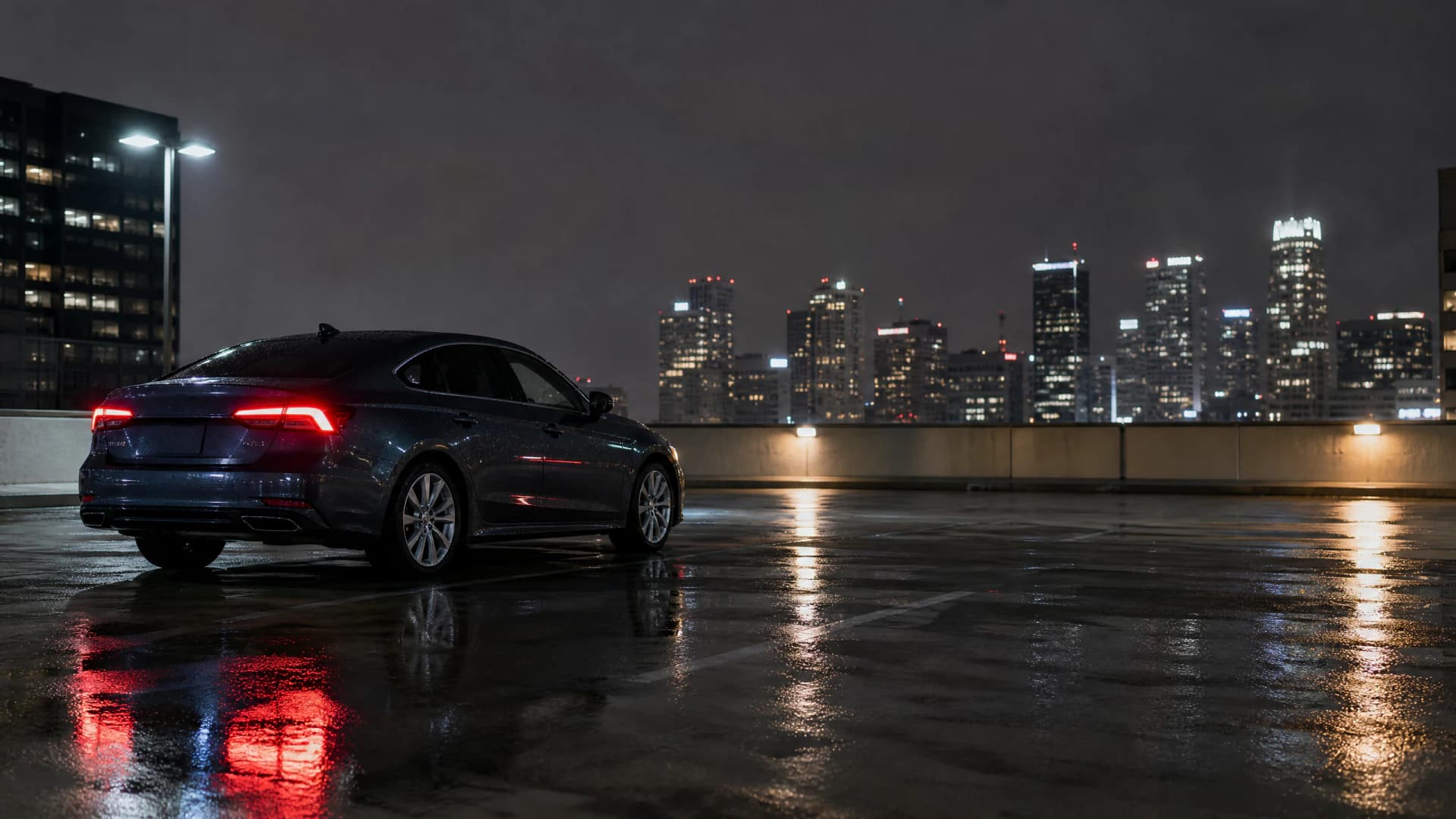
If a vehicle does not appear on your declarations page with the correct VIN, it is not insured—regardless of what you paid or what the agent told you.
Related Articles



Driver Assignments and Rating
The declarations page lists every driver on your policy and which vehicles they are rated on. California carriers assign each driver to a primary vehicle for rating purposes. That assignment determines how much you pay. If your household has three cars and two drivers, one driver will be rated as the primary operator of two vehicles. If the carrier assigns your teen driver as the primary operator of your newest, most expensive car instead of the older vehicle they actually drive, your premium will be higher than it should be.
Check the driver list carefully. Every licensed driver in your household must appear on the policy or be explicitly excluded. If your adult child lives with you and has a license, they must be listed. If they are not listed and they drive one of your vehicles, the carrier can deny a claim. If you want to exclude a household driver—because they have their own policy or do not drive your cars—the exclusion must appear on the declarations page in writing. Verbal exclusions do not exist.
California permits named-driver exclusions, but the exclusion must be explicit. If the declarations page lists a driver without an exclusion notation, that driver is covered. If the page shows an exclusion, that driver has zero coverage under your policy, even in an emergency. Excluded drivers cannot legally operate any vehicle on your policy. If an excluded driver causes an accident in your car, your carrier will deny the claim and you will be personally liable for all damages.
$30,000 / $60,000 / $15,000
California Minimum Liability Limits
California requires $30,000 bodily injury per person, $60,000 per accident, and $15,000 property damage. Your declarations page must show limits at or above these minimums for every vehicle. Lower limits void your legal compliance.
California Insurance Code

Coverage Limits and Deductibles Per Vehicle
Each vehicle on your policy can carry different liability limits, different collision deductibles, and different comprehensive deductibles. The declarations page shows these selections vehicle by vehicle. Verify the limits and deductibles for each vehicle match what you intended to buy.
California law requires every vehicle to carry at least $30,000 per person and $60,000 per accident bodily injury liability, plus $15,000 property damage liability. If any vehicle on your declarations page shows lower limits, your policy does not meet California's legal minimum and you are driving uninsured. Carriers occasionally make data-entry errors when adding a vehicle mid-term.
Premium Breakdown and Multi-Car Discount Verification
The bottom of the declarations page shows your total premium and the per-vehicle breakdown. California carriers apply a multi-car discount when you insure two or more vehicles on the same policy. The discount typically reduces the premium for the second and subsequent vehicles. The declarations page should show the discount as a line item or reflect it in the per-vehicle premium amounts. If you added a second car and your total premium doubled instead of increasing by less than the cost of the new vehicle alone, the multi-car discount may not have applied. Call your carrier and ask them to confirm the discount is active.
Premium breakdowns also reveal coverage mismatches. If one vehicle's premium is significantly higher than expected, check whether that vehicle is rated with the wrong driver, the wrong garaging address, or a higher coverage tier than you selected. If one vehicle's premium is lower than expected, check whether collision or comprehensive coverage is missing. The declarations page is the only place where you can see exactly what you are paying for each car and each coverage type. Read it line by line.

What to Do When You Find an Error
When you find an error on your declarations page, contact your carrier immediately. Do not wait until renewal. Errors do not self-correct, and driving with incorrect coverage exposes you to claim denials and out-of-pocket liability. Call your carrier's customer service line, explain the error, and request a corrected declarations page. Most carriers can issue corrections within 24 to 48 hours for data-entry errors like wrong VINs, wrong coverage tiers, or missing vehicles. If the error affects your premium, ask whether the correction will be retroactive or apply only going forward.
If the carrier resists making the correction, escalate. Ask to speak to a supervisor or file a formal complaint with the California Department of Insurance. California law requires carriers to issue accurate declarations pages and to correct errors promptly. If you have documentation showing you requested specific coverage or provided the correct VIN at the time you added a vehicle, that documentation supports your case. Do not accept a carrier's refusal to correct an error that leaves you underinsured or overcharged. The declarations page must reflect the coverage you bought and the vehicles you own.
The Vehicle Schedule: Where Multi-Car Errors Hide
Start with the VIN. The 17-character vehicle identification number is the only identifier that matters. If the VIN on the declarations page does not match the VIN on your vehicle's registration card, the vehicle is not covered. Carriers do not accept close-enough VINs. A single transposed digit means the policy covers a different car—or no car at all. Pull the registration card for every vehicle on your policy and compare each VIN character by character. If you find a mismatch, call your carrier immediately and request a corrected declarations page. Do not wait until a claim forces the issue.
Next, verify the coverage tier for each vehicle. California households often carry full coverage on financed vehicles and liability-only on older paid-off cars. The declarations page must reflect that structure. If your 2018 sedan shows collision and comprehensive but your 2009 truck does not, confirm that matches your intent. If you dropped collision on the truck to save money, the declarations page should show liability coverage only for that vehicle. If the truck still shows full coverage and you are paying for it, you are overpaying. If the sedan shows liability-only but you intended full coverage, you have no collision or comprehensive protection on that car.
Get Your Free Quote
Get My California Car Insurance QuoteFrequently Asked Questions
What is a declarations page on a California car insurance policy?
The declarations page is the first page of your auto insurance policy. It lists every vehicle covered, every driver on the policy, your coverage limits and deductibles per vehicle, your policy period, and your premium breakdown. It is the legally binding specification of what your policy covers.
How do I know if all my vehicles are listed on my California auto insurance declarations page?
Check the vehicle schedule section of your declarations page. Each vehicle you own or regularly drive must appear with its year, make, model, and 17-character VIN. Compare the VIN on the declarations page to the VIN on each vehicle's registration card character by character. If a vehicle is missing or the VIN does not match, contact your carrier immediately.
What happens if my declarations page shows the wrong VIN for one of my cars?
If the VIN on your declarations page does not match the VIN on your vehicle's registration, that vehicle is not covered. The carrier will deny any claim on that car. Call your carrier immediately, provide the correct VIN, and request a corrected declarations page before you drive that vehicle.
Can I have different coverage limits for different vehicles on the same California policy?
Yes. California carriers allow you to assign different liability limits, collision deductibles, and comprehensive deductibles to each vehicle on a multi-car policy. Your declarations page shows the coverage selections for each car separately. Verify each vehicle's limits and deductibles match what you intended to buy.
How do I verify the multi-car discount is applied on my California declarations page?
Check the premium breakdown at the bottom of your declarations page. The multi-car discount may appear as a separate line item or be reflected in lower per-vehicle premiums for the second and subsequent cars. If your total premium increased by the full cost of the new vehicle when you added a second car, the discount may not have applied—call your carrier to confirm.
What should I do if I find an error on my California auto insurance declarations page?
Contact your carrier immediately. Explain the error and request a corrected declarations page. Most carriers can issue corrections for data-entry errors within 24 to 48 hours. If the carrier resists, escalate to a supervisor or file a complaint with the California Department of Insurance. Do not wait—errors do not self-correct and can void coverage at claim time.