
When You Need Proof and What Counts
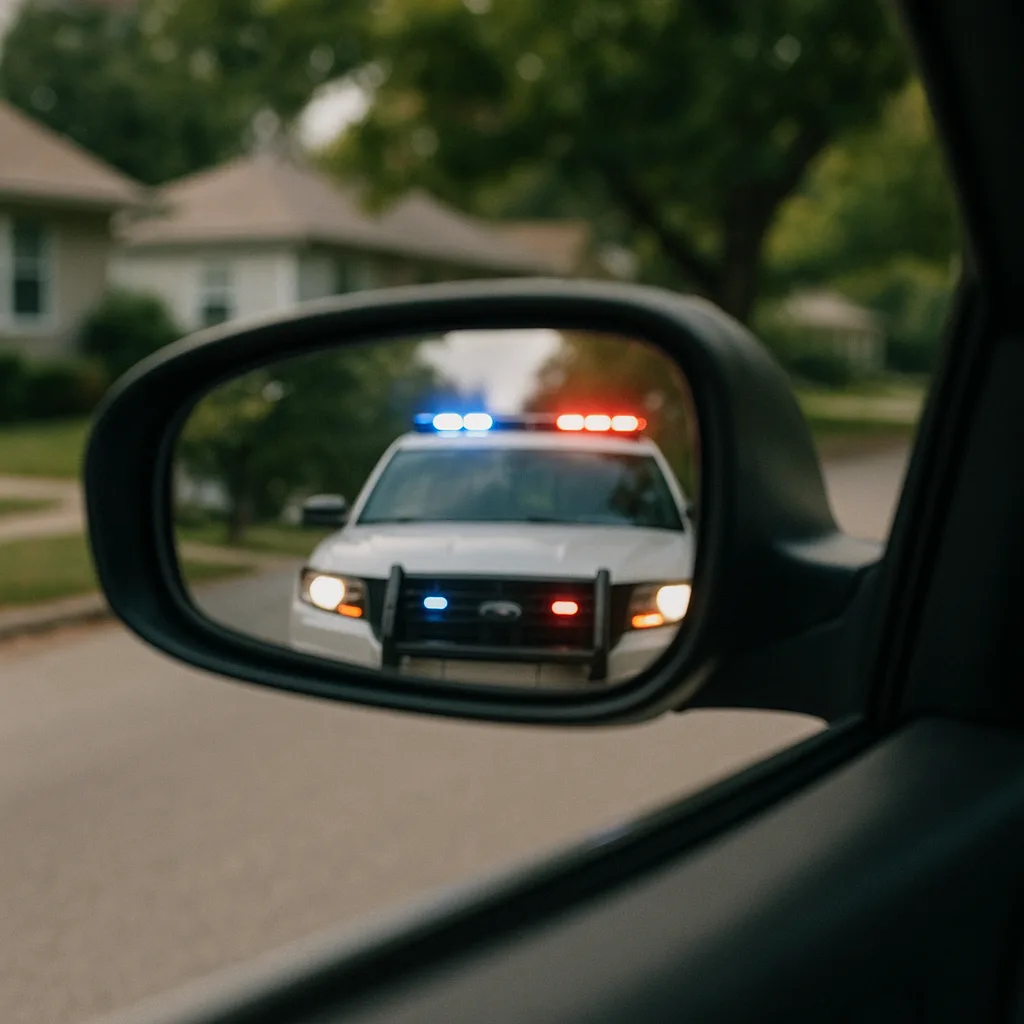
California law requires you to carry proof of financial responsibility whenever you drive. That means a traffic stop, an accident scene, a DMV registration counter, or a roadside checkpoint.
California accepts both paper insurance cards and digital proof displayed on your phone at traffic stops and accident scenes. The DMV accepts digital proof for most transactions but still requires paper documentation for some registration and title transfers. If you're registering a newly-purchased vehicle or reinstating a suspended registration, confirm with your local DMV office whether digital proof suffices for that specific transaction.
Compare car insurance rates in your state
Get quotes from licensed carriers — no obligation, no spam, results in minutes.
Get Your Free QuoteCalifornia Minimum Liability
Your insurance card must show coverage at or above these limits to count as valid proof.
California Department of Insurance
The 30-Day New-Vehicle Coverage Window
When you buy a car, most California carriers extend your existing policy's coverage to the new vehicle automatically for 30 days. That grace period gives you time to call your carrier and formally add the car to your policy. The problem: if you're pulled over during those 30 days and show an insurance card that lists only your old vehicle, the officer sees no proof that the new car is insured.
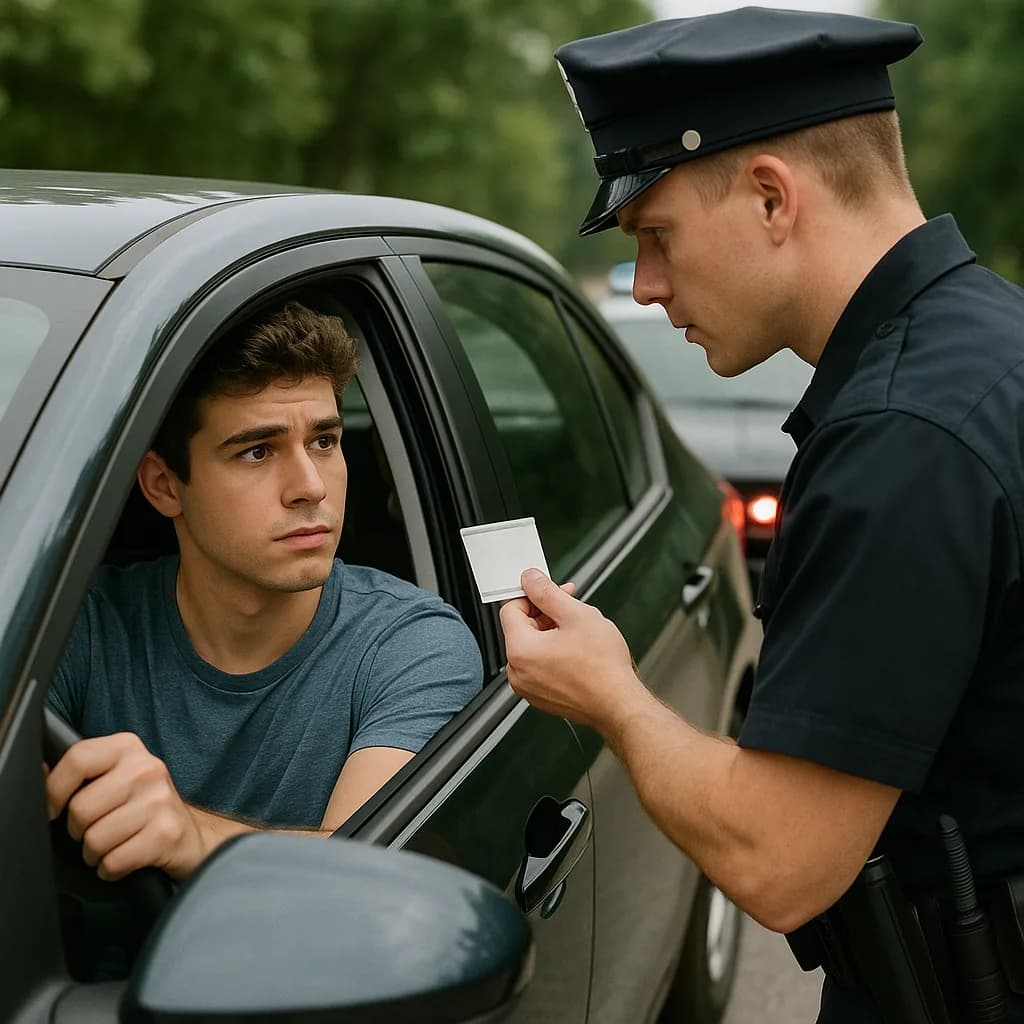
The carrier's internal system shows the new vehicle covered under the automatic extension, but your physical or digital insurance card does not update until you complete the formal addition. At a traffic stop, the officer cannot access your carrier's internal records. If the card you show does not list the vehicle you're driving, you may receive a citation for driving without proof of insurance even though coverage exists.
Call your carrier immediately after purchasing a vehicle and request an updated insurance card that lists the new car. Most carriers email a digital card within minutes or mail a paper card within a few days. Carry that updated card in the new vehicle from day one. The 30-day grace period covers the vehicle, but it does not update your proof-of-insurance documentation automatically.
Your insurance card must list the specific vehicle you're driving. An active policy covering a different car does not count as valid proof at a traffic stop.
What Happens If You Cannot Produce Proof

If you had valid insurance but left your card at home or your phone died, the officer typically issues a fix-it ticket. You have a set window—usually 30 days—to bring proof of insurance to the courthouse or submit it online. This is the best-case outcome: you were insured, you just couldn't prove it on the spot.
If you were driving without insurance, the violation is not correctable. If the uninsured driving led to an at-fault accident, the DMV suspends your license until you file an SR-22 certificate and maintain it for three years.
Related Articles



Digital Proof and Multi-Vehicle Households
If you insure multiple vehicles on one policy, your digital insurance card typically lists every vehicle covered under that policy. At a traffic stop, the officer verifies that the vehicle you're driving appears on the card. If you're driving a car that belongs to another household member on a separate policy, your card will not list that vehicle, and you cannot use it as proof.
Each vehicle must be driven with proof of its own coverage. If your household maintains separate policies for different drivers or vehicles, each driver must carry the insurance card that corresponds to the vehicle they're operating. A card showing your own car does not prove coverage for your spouse's car, even if both policies are with the same carrier and both vehicles are garaged at the same address.
Some carriers issue a separate digital card for each vehicle on a multi-car policy. Others issue one card listing all vehicles. Confirm with your carrier which format they use and ensure every driver in your household has access to the correct card for the vehicle they drive most often.
California Uninsured Motorist Rate
20.4%
One in five California drivers operates without insurance. That rate is among the highest in the nation and explains why uninsured motorist coverage—optional in California—is worth considering for households with multiple vehicles.
Insurance Information Institute, 2023
Proof Requirements at Registration and Title Transfer
The California DMV requires proof of insurance to register a newly-purchased vehicle or transfer a title. For these transactions, the DMV verifies coverage through its electronic interface with insurance carriers or by reviewing a paper insurance card. Some DMV offices accept digital proof displayed on your phone, but others require a printed card or a carrier-issued email confirmation.
If you're registering a vehicle for the first time or reinstating a suspended registration, call the DMV office where you plan to complete the transaction and ask whether digital proof suffices. If the office requires paper documentation, request a printed insurance card from your carrier before your appointment. Most carriers mail paper cards within three to five business days or allow you to print a temporary card from your online account.
Compare Carriers and Confirm Coverage
California's high uninsured motorist rate and strict proof-of-insurance enforcement make it critical to maintain continuous coverage and carry updated documentation for every vehicle you drive. If you're adding a vehicle to an existing policy, switching carriers, or combining policies after a household change, confirm that your insurance card reflects the current coverage before you drive.
Carriers writing in California vary in how quickly they issue updated cards, how they handle multi-vehicle policies, and whether they provide digital cards that update automatically when you add a vehicle. Compare carriers that write coverage for households with multiple vehicles and confirm their documentation process before you commit. The state's comparison tool lets you filter by carriers writing multi-car policies and see which ones offer same-day digital card updates.