
Minimum Liability Coverage Limits — California
Free to compare
What California Requires When You Add Another Vehicle
You just bought a second car and you're adding it to your existing California auto policy. The carrier asks what coverage you want on the new vehicle, and you're trying to decide whether state minimum liability is enough or whether you need more. The state minimum sounds like it should be sufficient — it's the legal floor — but the dollar amounts are lower than most people expect, and the gap between what California requires and what an accident actually costs is where households with multiple vehicles run into trouble.
California requires $15,000 property damage liability per accident, $30,000 bodily injury liability per person, and $60,000 bodily injury liability per accident. Those limits apply to each vehicle on your policy. When you add a second or third car, each one carries the same minimum requirement, but the exposure across your household goes up because you now have multiple vehicles that could be involved in separate incidents. The state minimum protects you to the statutory floor; it does not protect you to the level of risk a multi-car household actually faces.
“The $15,000 property damage minimum has not kept pace with vehicle replacement costs. A totaled mid-size sedan leaves you liable for the difference.”

Check Your Rate Against Other California Drivers
Get My California Car Insurance Quote$15,000
California Property Damage Minimum
The state-mandated property damage liability limit per accident. A single-vehicle collision with a newer SUV or truck can exceed this amount, leaving you personally liable for the difference. The bodily injury minimums are $30,000 per person and $60,000 per accident.
California Department of Insurance
The Structural Reality of State Minimum Liability
State minimum liability is the legal floor to register and drive, not a recommendation. California's $15,000 property damage limit was set decades ago and has not kept pace with vehicle replacement costs. The bodily injury minimums work the same way: $30,000 per person and $60,000 per accident sound substantial until you're covering emergency room treatment, surgery, and lost wages for an injured driver.
Households with multiple vehicles face compounded exposure. Each car on your policy can be involved in a separate incident. If one vehicle causes an at-fault accident this year and another causes a different accident next year, each claim is subject to the same per-accident limits. You're not pooling coverage across vehicles; each incident stands alone. The state minimum protects you to $15,000 property damage per accident, but two accidents mean two separate $15,000 caps, and any amount beyond that comes out of your assets.
The state does not require you to carry those higher limits, but the recommendation reflects the math: the cost to increase liability coverage is lower than the financial risk of carrying only the minimum when you're insuring two or more vehicles.
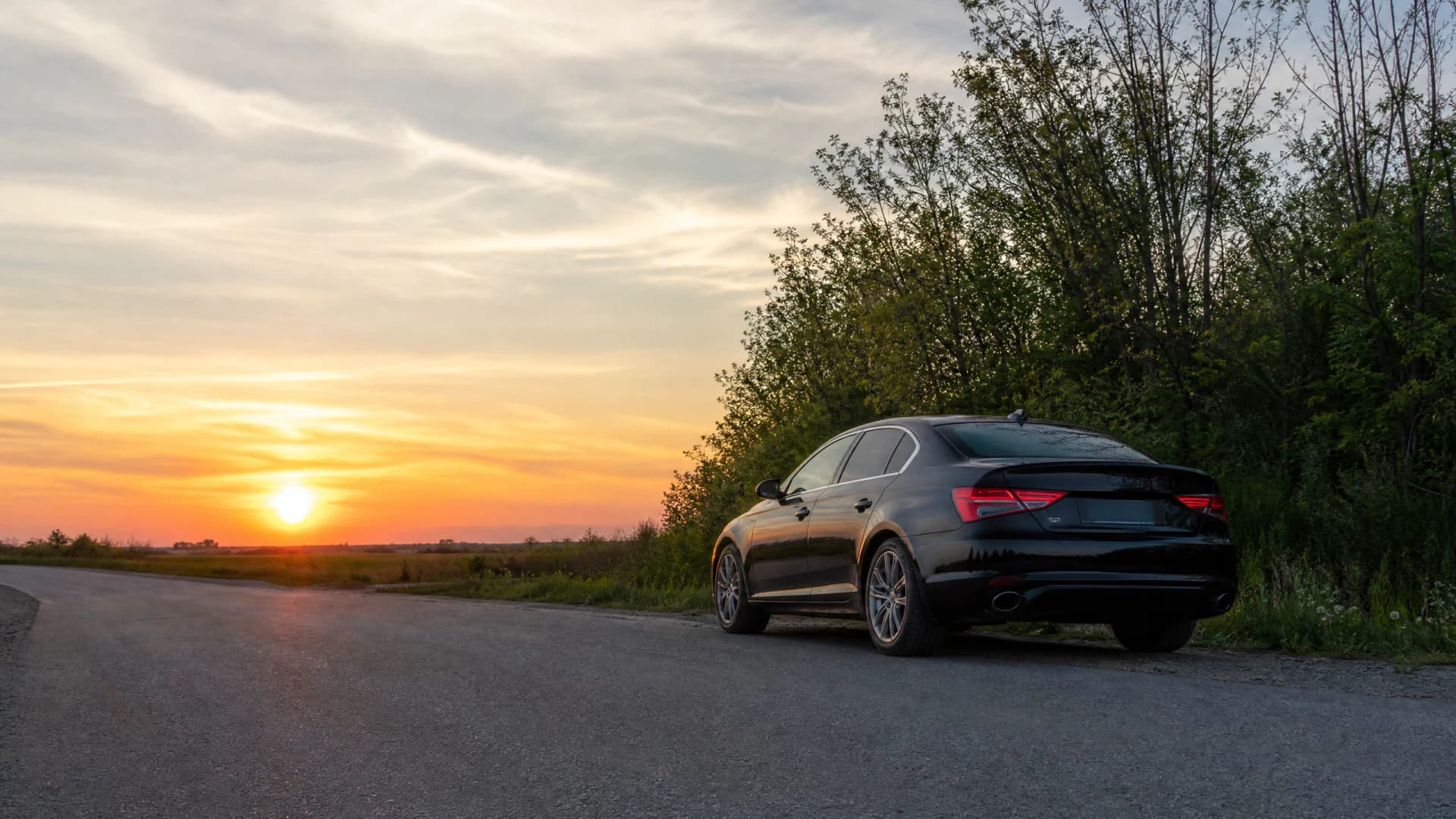
The $15,000 property damage minimum has not changed in decades. A single totaled vehicle in an at-fault accident can exceed it, leaving you liable for the difference.
Related Articles



What Happens When You Exceed the Minimum
An at-fault accident that exceeds your liability limits leaves you personally liable for the difference. California is a tort state: the at-fault driver's liability insurance pays the other party's property damage and bodily injury up to the policy limits, and any amount beyond that becomes the at-fault driver's personal debt.
Bodily injury claims follow the same structure. California's $30,000 per person and $60,000 per accident minimums cover medical bills, lost wages, and pain and suffering up to those caps. A serious injury — broken bones, surgery, extended hospital stay — can generate bills well above $30,000 for a single person. If the injured party's costs exceed your bodily injury limit, they can sue you for the difference. The state does not cap their recovery at your policy limit; it caps your insurance company's obligation at your policy limit. Your personal liability continues beyond that.
Households with multiple vehicles and multiple drivers face higher statistical exposure. More vehicles mean more trips, more drivers, and more opportunities for an at-fault accident. Carrying only the state minimum on each vehicle does not reduce that exposure; it sets a low ceiling on how much your insurance pays before your personal assets are at risk. Increasing liability limits costs more, but the cost is predictable and manageable. The cost of a lawsuit after an accident that exceeds your limits is not.
20.4%
California Uninsured Motorist Rate
One in five California drivers carries no insurance. If an uninsured driver hits your vehicle, your uninsured motorist coverage pays for your damage and injuries. California does not require uninsured motorist coverage, but the high uninsured rate makes it a common add-on for multi-vehicle households.
Insurance Information Institute, 2023

Comparing State Minimum to Higher Liability Limits
The decision between state minimum liability and higher limits is a comparison of coverage cost versus financial risk. State minimum liability — $15,000 property damage, $30,000/$60,000 bodily injury — meets California's legal requirement and allows you to register and drive. The question is not whether you can legally drive with the minimum; it is whether the minimum protects your household's assets when you're insuring multiple cars.
A household with two vehicles and two drivers faces twice the statistical exposure of a single-car household. Each vehicle can be involved in a separate at-fault accident. Each driver can cause an incident while operating any vehicle on the policy. The state minimum applies per accident, not per household, so two separate accidents mean two separate $15,000 property damage caps. If both accidents exceed the cap, you're personally liable for both overages. The cost to increase coverage is a known monthly amount; the cost of personal liability after an accident is unpredictable and can be substantial.
Next Step for Multi-Vehicle Households
Compare liability limit options from carriers writing multi-vehicle policies in California. The state minimum is the legal floor, not the coverage level that protects a household with two or more cars. Most carriers allow you to set the same limits across all vehicles on your policy, which simplifies the comparison. The gap between minimum coverage and higher limits is measurable; the gap between your coverage cap and the cost of an at-fault accident is the risk you're managing when you add another vehicle to your California policy.
How Liability Limits Apply Across Multiple Vehicles
When you add a second vehicle to your policy, you select liability limits for that vehicle. Most carriers allow you to set the same limits across all vehicles on the policy, or to vary them by vehicle. The state minimum applies per vehicle, but the per-accident cap applies to each incident separately. If your first car causes an at-fault accident and your second car causes a different accident six months later, each accident is subject to the liability limits you selected for that vehicle. You are not sharing one pool of coverage across all your cars; each incident draws against the limits for the vehicle involved.
This structure matters when you're deciding whether to carry state minimum liability or higher limits. A household with three vehicles has three separate exposure points. If all three carry only the $15,000 property damage minimum, each at-fault accident caps your coverage at $15,000, and any amount beyond that is your personal liability. The decision is not whether the state allows the minimum; it is whether the minimum covers the risk your household actually faces.
Get Your Free Quote
Get My California Car Insurance QuoteFrequently Asked Questions
What is the minimum liability insurance required in California?
California requires $15,000 property damage liability per accident, $30,000 bodily injury liability per person, and $60,000 bodily injury liability per accident. These limits apply to each vehicle on your policy and represent the legal minimum to register and drive in the state.
Does California require the same liability limits for every vehicle on a multi-car policy?
No. California requires each vehicle to meet the state minimum, but you can set different liability limits for each vehicle on your policy. Most carriers allow you to apply the same limits across all vehicles, which simplifies coverage and ensures consistent protection.
What happens if I cause an accident that exceeds my liability limits?
You become personally liable for the difference. California is a tort state: your liability insurance pays up to your policy limits, and any amount beyond that is your personal debt. The injured party can sue you, garnish wages, or place a lien against your assets to recover the remaining amount.
Is the California minimum liability enough for a household with multiple vehicles?
The state minimum meets the legal requirement but may not protect your assets. A household with multiple vehicles faces higher exposure because each car can be involved in a separate at-fault accident. Higher liability limits reduce the gap between your coverage cap and the actual cost of an accident.
Does California require uninsured motorist coverage?
No. California does not mandate uninsured motorist coverage, but 20.4% of California drivers carry no insurance. Uninsured motorist coverage pays for your damage and injuries when an uninsured driver hits your vehicle, and many multi-vehicle households add it to their policies.
Can I carry different liability limits on different vehicles on the same policy?
Yes. California allows you to set different liability limits for each vehicle on your policy. You might carry higher limits on a vehicle driven daily and lower limits on a rarely-driven car, but each vehicle must meet the state minimum of $15,000 property damage and $30,000/$60,000 bodily injury.