
What California Requires You to Carry
These limits apply to each vehicle you register. If you own two cars, both must meet the state minimum. If you own four, all four must carry at least these limits.
The state does not require personal injury protection or uninsured motorist coverage. You can buy those coverages, and many drivers do, but California law does not mandate them. The only mandatory coverage is liability. Collision and comprehensive are optional unless your lender requires them.
Compare car insurance rates in your state
Get quotes from licensed carriers — no obligation, no spam, results in minutes.
Get Your Free QuoteCalifornia Minimum Liability Limits
These are the lowest limits you can carry and still register a vehicle in California. The first number covers bodily injury per person, the second covers bodily injury per accident, and the third covers property damage per accident.
California Department of Insurance
Why the State Minimum Is Not Enough for Most Households
The state minimum exists to ensure every driver carries some coverage, not to protect you adequately. If you cause an accident that injures two people and totals another vehicle, you will hit the state minimum ceiling immediately.
For a household with multiple vehicles, the exposure multiplies. Each car you own is a separate liability event. If one household member causes an accident in one car and another household member causes a different accident in another car within the same policy period, you face two separate liability exposures. The state minimum covers each accident independently, but your assets remain exposed above those limits.
Most carriers writing in California offer higher liability limits at modest additional cost. The multi-car discount often absorbs the cost of higher limits when you add a second or third vehicle to the same policy.
A single at-fault accident can leave you personally liable for the difference.
How California Verifies Your Coverage
When you buy a policy, your carrier reports your coverage to the DMV electronically within 24 hours. When you cancel a policy, the carrier reports the cancellation the same way. The DMV cross-references this data against your vehicle registration. If the system shows a gap, the DMV sends a notice requiring proof of continuous coverage or assessing a registration suspension.
You still receive a proof-of-insurance card from your carrier, and you must carry it in the vehicle or show it on your phone when law enforcement requests it. The card is your immediate proof during a traffic stop. The electronic system is the DMV's enforcement mechanism for registration compliance. Both matter, and both must reflect current, active coverage.
Related Articles
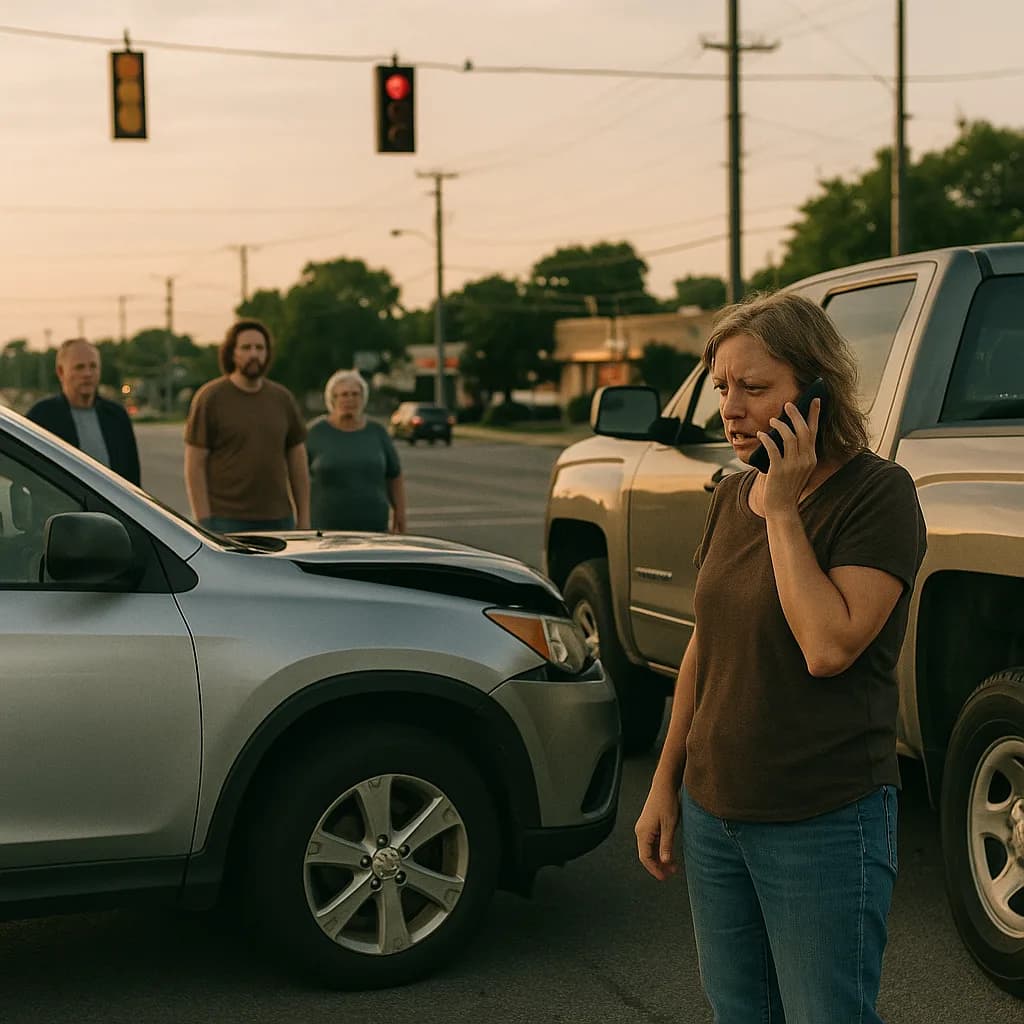
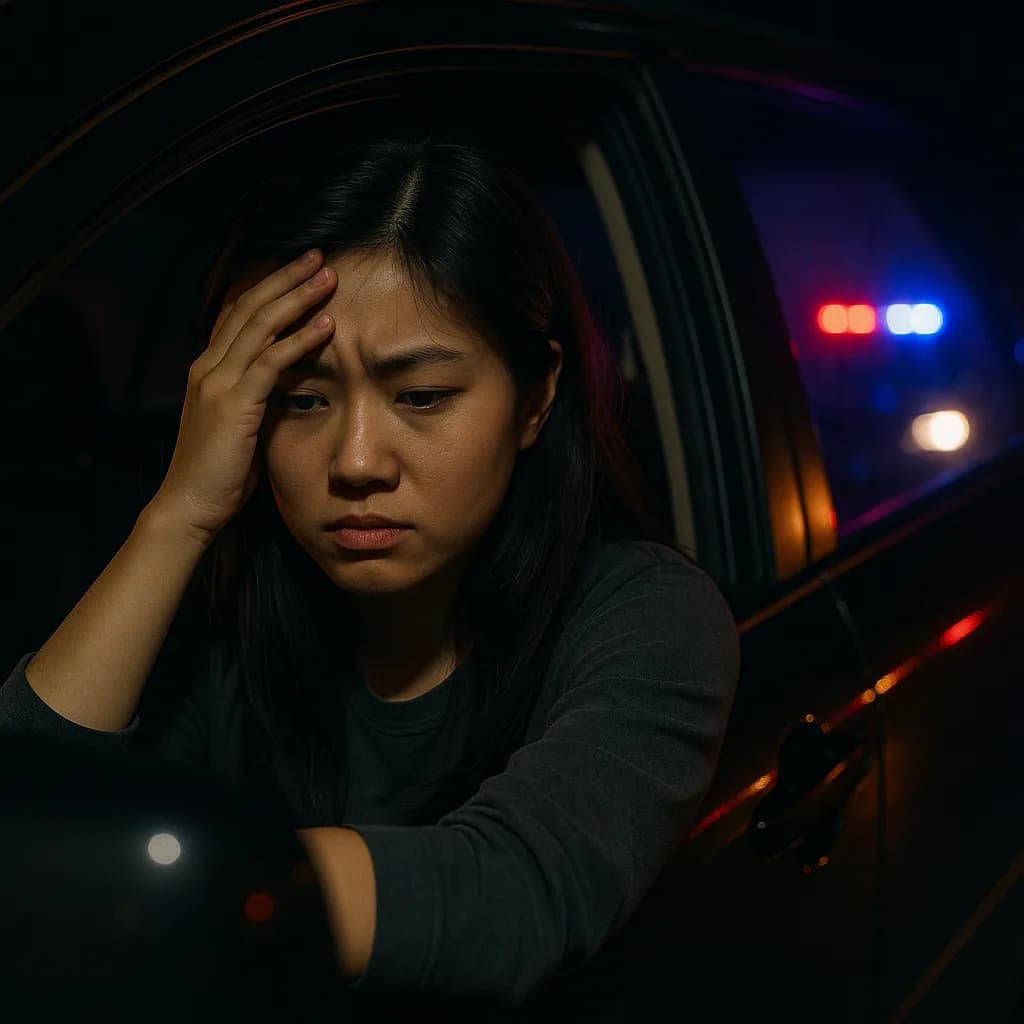
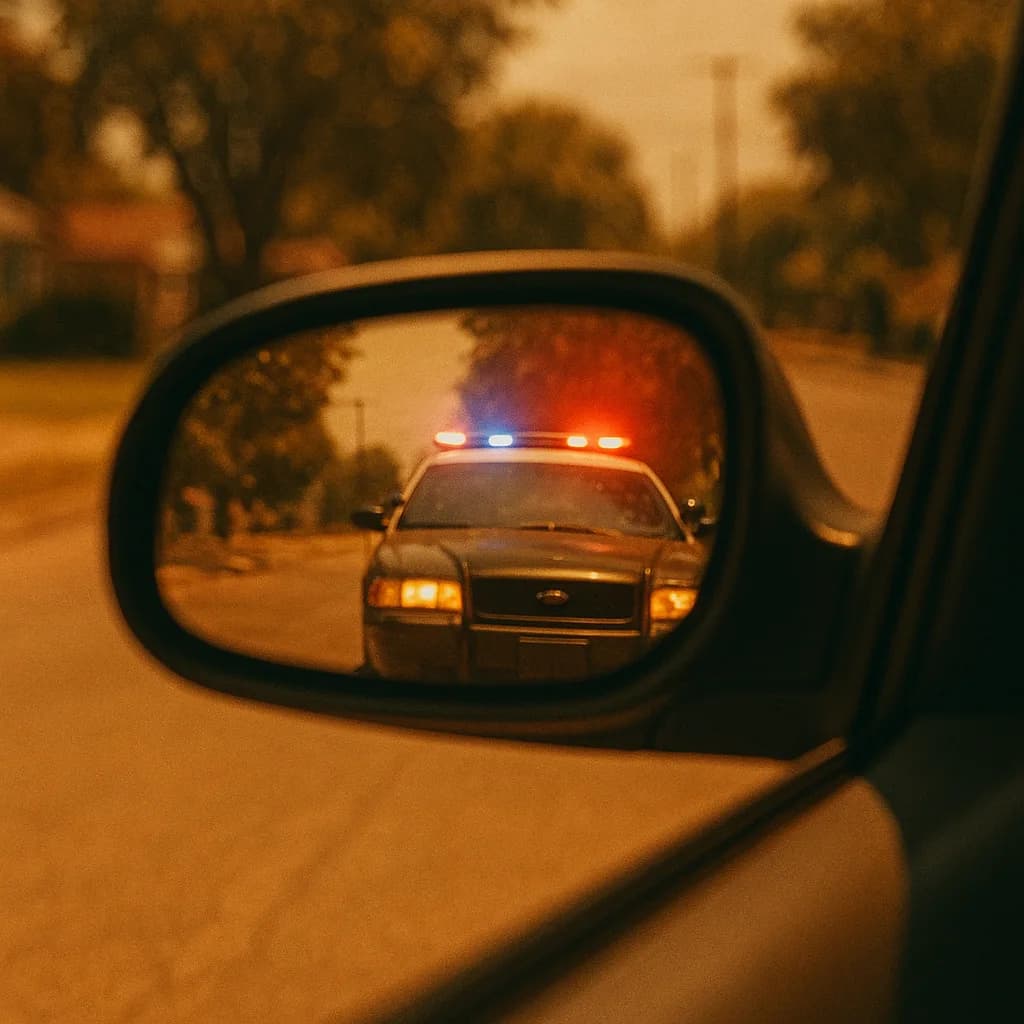
What Happens When You Drive Without Insurance in California
Driving without insurance in California is a misdemeanor. The court can also suspend your license for up to four years.
If you are involved in an accident while uninsured, the DMV suspends your license and registration immediately under the state's financial responsibility law. The SR-22 filing requirement lasts three years from the date of the accident, and any lapse in coverage during that period restarts the three-year clock.
California has a 20.4% uninsured motorist rate, one of the highest in the country. That means one in five drivers you share the road with carries no coverage. If an uninsured driver hits you, your own uninsured motorist coverage is the only protection you have. The state does not require you to buy it, but the exposure is real.
California Uninsured Motorist Rate
20.4%
One in five drivers in California carries no insurance. Uninsured motorist coverage is optional in California, but it is the only protection you have when an uninsured driver causes an accident that injures you or damages your vehicle.
Insurance Information Institute
How to Structure Coverage Across Multiple Vehicles
Every vehicle you own must carry at least the state minimum liability limits. You can insure all your vehicles on one policy or split them across separate policies, but every car must have active coverage. Most households save money by placing all vehicles on a single policy and claiming the multi-car discount, which reduces the per-vehicle premium when two or more cars share the same policy.
The multi-car discount applies only when every vehicle sits on the same policy and is garaged at the same address. If one household member keeps a car at a different address, or if a vehicle is titled to someone outside the household, that car may not qualify for the same-policy discount. Carriers verify garaging addresses and household composition at underwriting. Misrepresenting either to claim the discount is grounds for policy rescission.
Compare Carriers That Write Your Household's Vehicles
California has 25 major carriers writing auto insurance in the state, and each prices multi-car policies differently. Some carriers offer larger multi-car discounts but higher base rates. Others offer smaller discounts on lower base rates. A smaller discount on a lower base rate can beat a larger discount on a higher one. The only way to know which carrier offers the best total premium for your household is to compare quotes for all your vehicles on the same policy.
Use the comparison tool to request quotes from carriers licensed in California. Enter every vehicle you own, every driver in your household, and the coverage limits you want. The tool returns quotes from multiple carriers simultaneously, showing the total premium for all vehicles combined. Compare the total cost, not the per-vehicle cost. The multi-car discount affects the total, and splitting vehicles across policies almost always costs more than combining them on one.