
California Minimum Liability Coverage — What Satisfies State Law
Free to compare
What California Law Actually Requires
California requires three liability minimums to register and legally operate a vehicle: $15,000 property damage per accident, $30,000 bodily injury per person, and $60,000 bodily injury per accident. Every policy sold in California must meet or exceed these three thresholds. A policy that carries only one or two of these limits does not satisfy state law, even if the coverage amounts are higher than the minimums in the categories it does cover.
The state does not require collision coverage, comprehensive coverage, uninsured motorist coverage, or personal injury protection. Those coverages protect you and your vehicle; the three liability minimums protect other people when you cause an accident. California law cares only about the liability piece when determining whether your policy is legal.
“California law requires liability coverage on every vehicle you own, even if one car already carries full coverage.”

Check Your Rate Against Other California Drivers
Get My California Car Insurance Quote$15,000 / $30,000 / $60,000
California Liability Minimums
Property damage per accident, bodily injury per person, and bodily injury per accident. Every registered vehicle in California must carry a policy meeting all three thresholds to comply with state law.
California Department of Insurance
Why Collision and Comprehensive Do Not Count
Collision and comprehensive coverage pay for damage to your own vehicle. Collision covers crashes with other cars or objects; comprehensive covers theft, vandalism, weather, and animal strikes. Neither coverage pays a third party when you cause an accident, so neither satisfies California's liability requirement.
A policy with high collision and comprehensive limits but no liability coverage is not legal in California. The state's financial responsibility law measures only your ability to pay others for harm you cause. Your own vehicle damage is not part of that calculation.
This confusion is common among drivers adding a second or third vehicle to an existing policy. They assume full coverage on one car satisfies the state requirement for all cars on the policy, but each vehicle must carry the three liability minimums independently. A policy that covers collision and comprehensive on two cars but carries liability on only one does not meet California law for the second car.
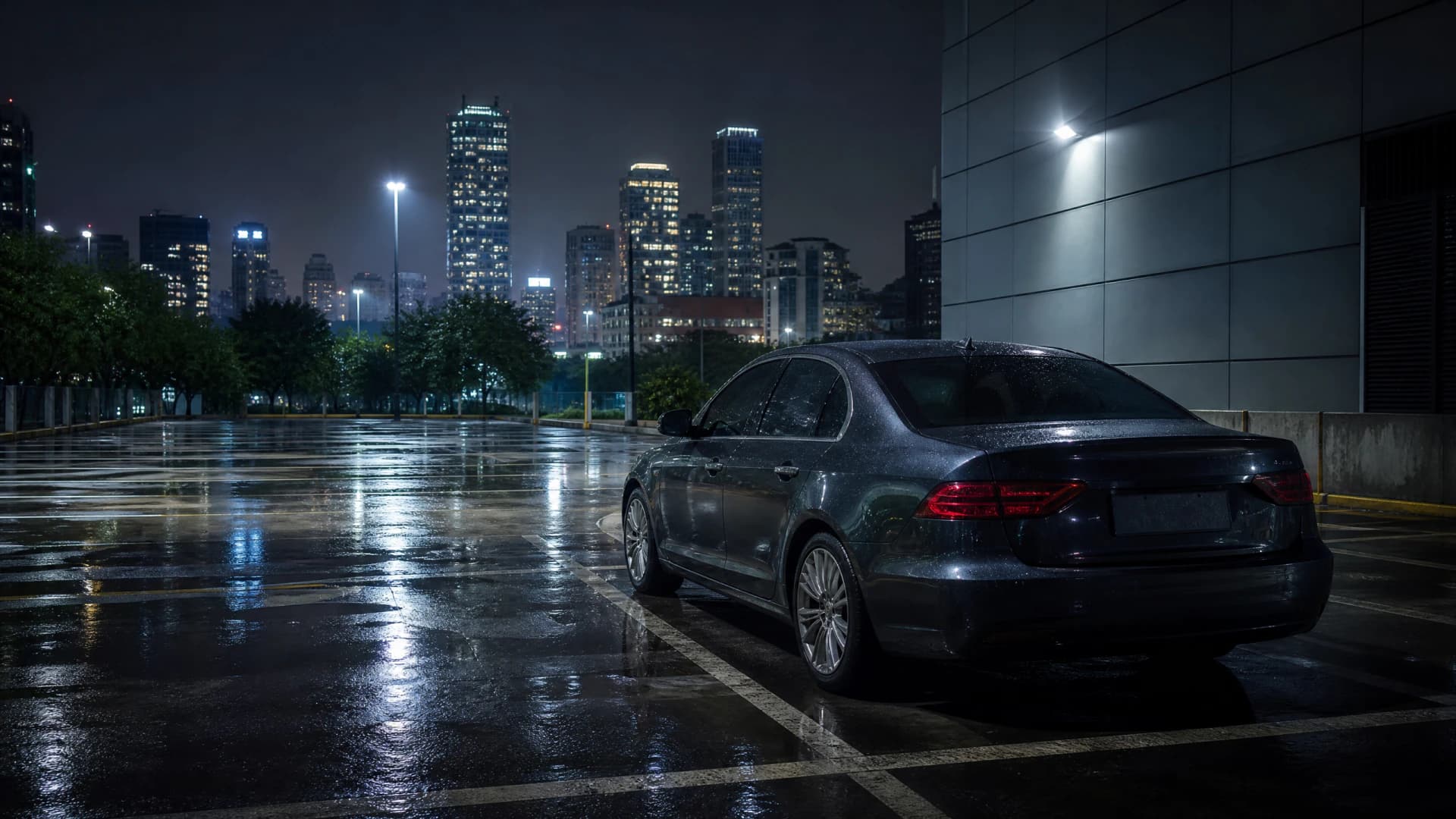
California law requires liability coverage on every vehicle you own, even if one car already carries full coverage. Each vehicle must meet all three minimums independently.
Related Articles

What Happens When You Exceed the Minimums
California law sets a floor, not a ceiling. You can carry higher liability limits than the state requires, and many drivers do.
Higher limits cost more per month but reduce your out-of-pocket exposure when you cause a serious accident. The difference in premium between minimum coverage and higher limits is often smaller than the difference in financial risk.
When you insure multiple vehicles on one policy, the liability limits apply to every vehicle equally. You do not need separate liability limits for each car; the policy-level limits cover all vehicles listed on the policy.
20.4%
California Uninsured Motorist Rate
One in five California drivers operates a vehicle without insurance. When an uninsured driver hits you, your own uninsured motorist coverage pays your medical bills and vehicle damage because the at-fault driver has no policy to file against.
Insurance Information Institute, 2023

Proof of Insurance and Registration
California requires proof of insurance at vehicle registration and during traffic stops. The DMV will not register a vehicle without an active policy meeting the three liability minimums. If your policy lapses after registration, the DMV can suspend your registration and your driver license until you file proof of continuous coverage.
Proof of insurance in California is the insurance card your carrier issues or an electronic proof-of-insurance document displayed on your phone. The card must show the policy number, the vehicle identification number, the coverage effective dates, and the carrier name. A quote or a binder is not proof of insurance; the policy must be active and paid.
Compare Carriers That Write Your Household
California has 27 carriers writing auto insurance across standard, preferred, and non-standard tiers. Not every carrier writes policies for households with multiple vehicles, and not every carrier offers the same liability limits at the same price. Geico, State Farm, Progressive, Farmers, and Allstate write multi-vehicle policies statewide. Mercury General, CSAA, and Auto Club Enterprises are California-based carriers with strong multi-car programs.
When you add a second or third vehicle to your policy, the carrier re-rates the entire policy based on the new vehicle's year, make, model, garaging address, and primary driver. The liability minimums do not change, but the premium does. Compare carriers that write your household's vehicle mix before you add the new car to confirm you are not overpaying for the same three minimums another carrier offers for less.
How the Three Minimums Work Together
Property damage liability covers the cost of repairing or replacing another person's vehicle or property when you cause an accident. California requires $15,000 per accident.
Bodily injury liability covers medical bills, lost wages, and pain-and-suffering claims when you injure someone in an accident. California requires $30,000 per person and $60,000 per accident.
Get Your Free Quote
Get My California Car Insurance QuoteFrequently Asked Questions
Does full coverage satisfy California car insurance law?
Full coverage satisfies California law only if it includes the three liability minimums: $15,000 property damage, $30,000 bodily injury per person, and $60,000 bodily injury per accident. Full coverage typically includes collision and comprehensive, but those coverages do not count toward the state's legal requirement. The liability piece is what matters for compliance.
Can I register a car in California with only collision and comprehensive coverage?
No. California will not register a vehicle without proof of liability coverage meeting all three state minimums. Collision and comprehensive cover only your own vehicle, not harm you cause to others. The DMV requires the three liability thresholds before issuing registration.
Do I need separate liability limits for each car on my policy?
No. Liability limits apply at the policy level, not the vehicle level. Every vehicle on the policy is covered by the same liability limits.
What happens if I let my California car insurance lapse?
California suspends your vehicle registration and your driver license when your insurance lapses. The DMV requires continuous coverage from the date you register the vehicle.
Does California require uninsured motorist coverage?
No. California does not mandate uninsured motorist coverage, but 20.4% of California drivers operate without insurance. Uninsured motorist coverage pays your medical bills and vehicle damage when an uninsured driver hits you. It is optional but widely recommended.
Can I carry higher liability limits than California requires?
Yes. California's minimums are a floor, not a ceiling. Higher limits reduce your out-of-pocket exposure when you cause a serious accident.