
Why Your Premium Jumped When You Added a Second Car
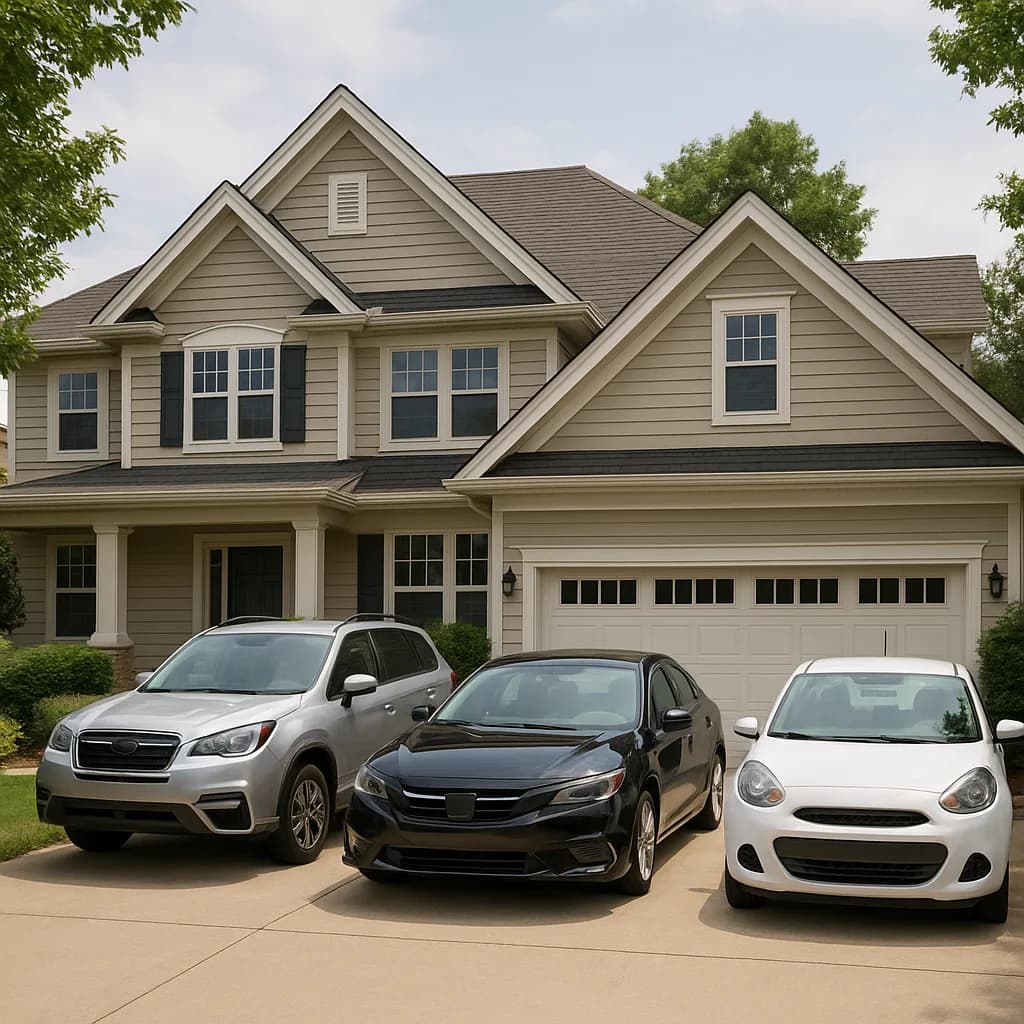
You added a second vehicle to your California auto policy expecting the multi-car discount to lower your total cost. Instead, your premium increased more than the cost of insuring the new car alone would suggest. The carrier applied the discount, but it also re-rated your entire policy at the household's new combined risk profile.
California's 27.6 million licensed drivers and 31.1 million registered vehicles create a market where carriers price policies by household risk, not per-vehicle math. When you add a vehicle, the carrier recalculates every vehicle's premium using the household's total exposure: every driver, every car, every garaging address. The multi-car discount reduces that recalculated total, but the base it reduces is higher than your original single-car premium.
Compare car insurance rates in your state
Get quotes from licensed carriers — no obligation, no spam, results in minutes.
Get Your Free QuoteCalifornia Average Annual Auto Expenditure Per Vehicle
California drivers paid an average of $1,223.16 per insured vehicle in 2023, but household policies with multiple vehicles re-rate at the combined household risk profile rather than multiplying a single-vehicle base rate.
NAIC Auto Insurance Database Report 2023
How the Multi-Car Discount Actually Works
The multi-car discount requires every vehicle to sit on the same policy, typically garaged at the same address and titled to household members. When those conditions are met, the carrier applies a percentage reduction to the household's total premium. The discount does not apply per vehicle; it applies to the policy total after the carrier calculates the household's combined risk.
California carriers writing multi-vehicle policies — including Geico, Progressive, State Farm, Farmers, Allstate, Mercury General, and CSAA — each set their own multi-car discount structure. Some apply the discount to every vehicle after the first; others apply it only to the second and third vehicles. The discount percentage varies by carrier, and no carrier publishes a standard rate.
The structural reality: a household adding a second car triggers a full policy re-rating. The carrier recalculates the premium for every vehicle using the household's total driver pool, total annual mileage, combined claim history, and aggregate garaging risk. If the second car is driven by a household member with a recent at-fault accident or a speeding violation, the entire policy re-rates at that higher risk tier. The multi-car discount then reduces the new, higher total.
A smaller discount on a lower base rate can produce a lower total premium than a larger discount on a higher base rate. Comparing carriers on household structure — not on advertised discount percentages — produces the accurate cost picture.
Adding a vehicle re-rates your entire policy at the household's combined risk profile. The multi-car discount applies to that recalculated total, not to your original single-car premium.
What Drives the Policy Re-Rating When You Add a Vehicle
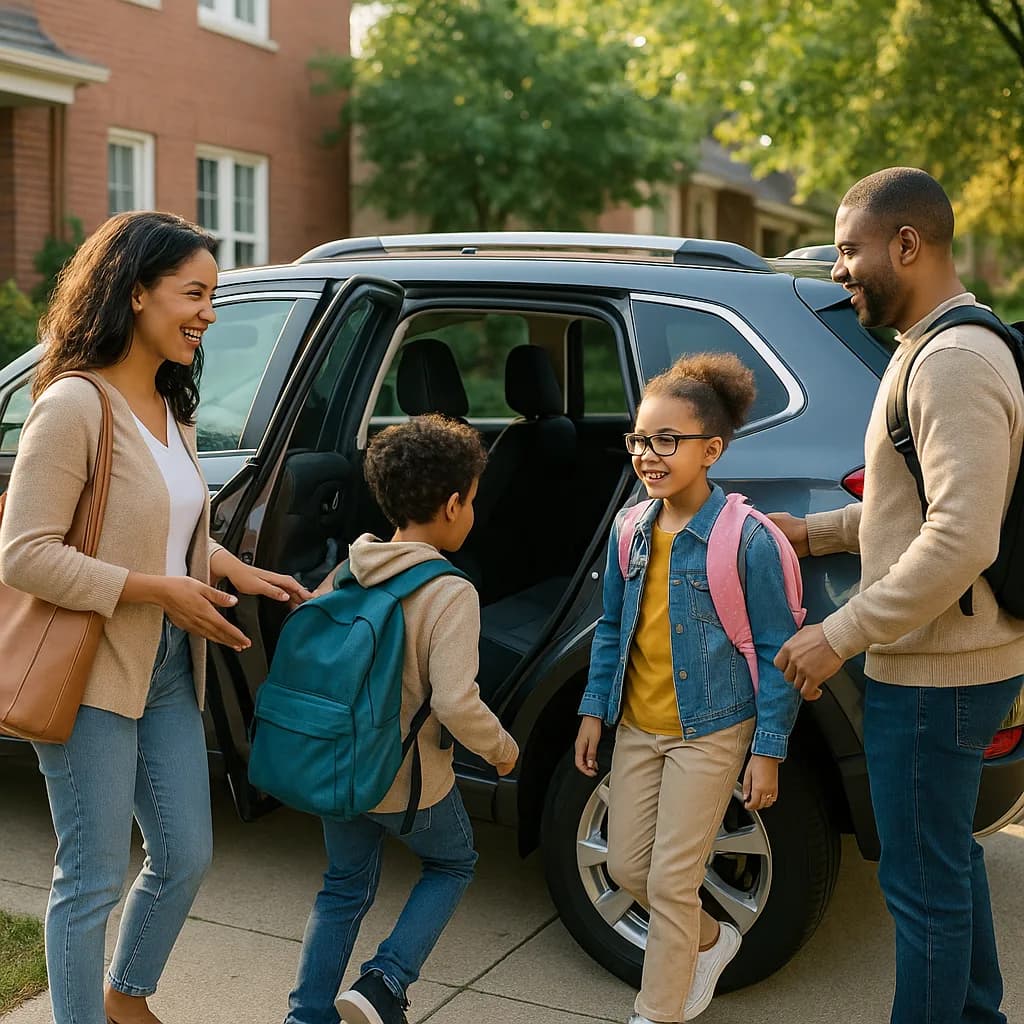
Every driver in the household is rated on the policy, whether or not they are the primary driver of the newly added vehicle. If the second car is driven by a household member with a violation, suspended license history, or recent claim, the carrier applies that driver's risk profile to the entire policy. California's 20.4% uninsured motorist rate and 1.28 traffic fatalities per 100 million vehicle miles traveled make driver history a primary rating factor. A household adding a vehicle driven by a teen or a driver with points will see the policy re-rate at the higher-risk tier.
The garaging address for the second vehicle also affects the policy total. California's 389.7 motor vehicle thefts per 100,000 population in 2024 mean that a car garaged in a higher-theft-rate ZIP code increases the household's property-damage exposure. If the second vehicle is garaged at a different address than the first — for example, a college student's car parked near campus — the carrier may require proof that the vehicle qualifies for the same-policy multi-car discount or may rate it separately.
Related Articles


When the Multi-Car Discount Does Not Apply
The multi-car discount requires every vehicle to sit on the same policy. A car titled to a household member who maintains a separate policy does not qualify. This situation arises frequently when two adults with separate policies move in together or marry. Each keeps their own policy, expecting to combine later, but the multi-car discount does not apply until every vehicle transfers to one policy.
California carriers also require that the vehicles share a primary garaging address. A household with one car garaged at the family home and a second car garaged at a vacation property 200 miles away may not qualify for the multi-car discount, depending on the carrier's garaging rules. Verify the garaging requirement with your carrier before adding a vehicle at a different address.
A vehicle titled to someone outside the household — for example, an adult child who no longer lives at the family address — typically does not qualify for the same-policy multi-car discount. The carrier may allow the vehicle to remain on the policy as a listed vehicle, but it will not receive the multi-car discount and may be rated at a higher tier.
California Uninsured Motorist Rate
20.4%
One in five California drivers operates without insurance, increasing the household's exposure to uninsured-motorist claims. Adding a vehicle increases that exposure, and carriers price the policy accordingly.
Insurance Information Institute 2023
How to Structure Coverage Across Multiple Vehicles
California requires minimum liability coverage of $30,000 per person, $60,000 per accident for bodily injury, and $15,000 for property damage. These minimums apply to every vehicle on the policy. A household with two cars must carry at least these limits on both vehicles, but the limits apply per accident, not per vehicle. If one vehicle is involved in an at-fault accident, the policy's liability limits cover that accident regardless of which vehicle was driven.
Collision and comprehensive coverage are optional in California, but they are priced per vehicle. A household with one high-value car and one older car can carry full coverage on the newer vehicle and liability-only on the older one. The multi-car discount applies to the policy total, so dropping collision and comprehensive on the lower-value vehicle reduces the base premium before the discount is applied. Compare the savings from dropping coverage against the out-of-pocket risk if the older car is totaled.
Compare Carriers on Household Structure, Not Advertised Discounts
California's competitive auto insurance market includes 20 carriers writing multi-vehicle policies with different household-rating structures. Geico, Progressive, State Farm, Farmers, Allstate, Mercury General, CSAA, and others each apply the multi-car discount differently and rate household risk using different weighting factors. A carrier that offers a larger advertised discount may produce a higher total premium if its base household rating is higher.
Request quotes from at least three carriers, providing identical household information: every driver, every vehicle, every garaging address, and every driver's violation and claim history. The quote reflects the carrier's household rating structure and multi-car discount applied to your specific risk profile. Compare the total premium, not the discount percentage. The carrier with the lowest total premium for your household structure is the correct choice, regardless of its advertised multi-car discount.