
Optional Car Insurance Coverages Worth It — California
Free to compare
The Multi-Vehicle Coverage Gap
You insure two or more vehicles in California. You've met the state's minimum liability requirements: $15,000 property damage per accident, $30,000 bodily injury per person, $60,000 bodily injury per accident. But you're staring at optional coverage add-ons — collision, comprehensive, uninsured motorist, rental reimbursement — and trying to figure out which ones actually protect your household without inflating your premium unnecessarily.
The structural reality: optional coverages aren't luxuries when you're managing multiple vehicles. They're decisions about which risks your household can absorb and which ones would destabilize your budget if they hit. A single-car household might self-insure collision on an older vehicle. A household with three cars faces compounding exposure — one totaled vehicle is manageable, two simultaneous claims is a financial crisis.
“One in five California drivers carries no insurance — uninsured motorist coverage transfers that measurable risk at lower cost than self-insuring it.”

Check Your Rate Against Other California Drivers
Get My California Car Insurance Quote20.4%
California Uninsured Motorists
One in five California drivers carries no insurance. When an uninsured driver hits your vehicle, your liability coverage pays nothing for your own car's damage or your medical bills. Uninsured motorist coverage fills that gap.
Insurance Information Institute, 2023
What California Minimum Coverage Actually Protects
California's minimum liability coverage protects the other driver when you cause an accident. It pays up to $15,000 for their property damage, $30,000 for one person's injuries, $60,000 total per accident. It does not pay for your own vehicle's damage, your own medical bills, or losses when the other driver is uninsured or underinsured.
For a household with multiple vehicles, this creates asymmetric risk. Your liability coverage protects others across every car on your policy. But damage to your own vehicles, injuries to your household members, and gaps left by uninsured drivers require optional coverages that you add deliberately, vehicle by vehicle or policy-wide depending on the coverage type.
The decision isn't whether optional coverages are "worth it" in the abstract. It's which risks your household's financial position can absorb and which ones require transferring to the carrier.
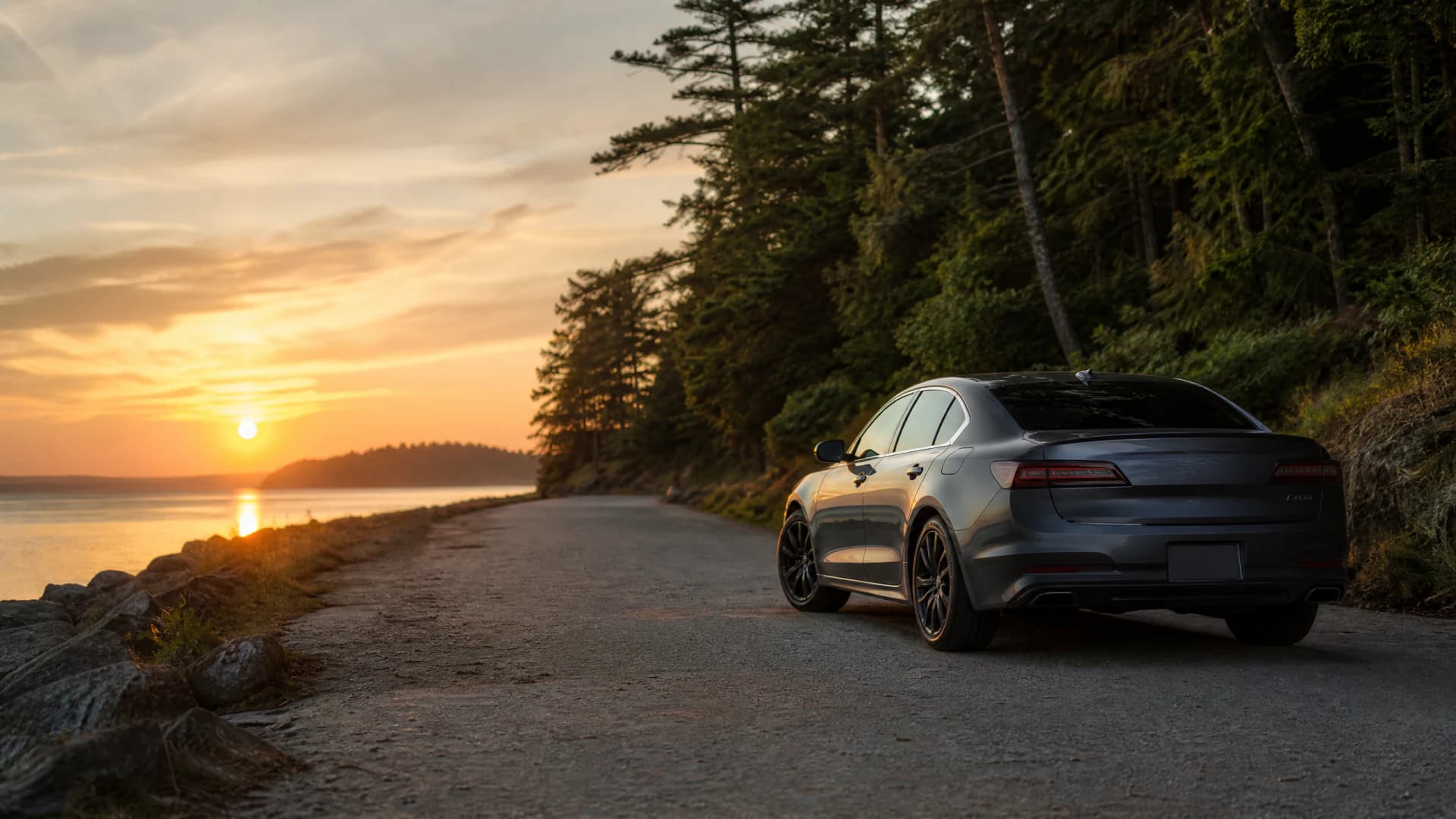
Multi-vehicle households face compounding exposure: one claim is manageable, two simultaneous claims without optional coverage can destabilize a household budget.
Related Articles




Uninsured and Underinsured Motorist Coverage
Uninsured motorist coverage pays for your injuries and, in California, your vehicle damage when a driver with no insurance hits you. Underinsured motorist coverage pays when the at-fault driver's liability limits are too low to cover your losses. California does not require either coverage, but 20.4% of California drivers are uninsured — the sixth-highest rate in the nation.
For multi-vehicle households, uninsured motorist coverage protects every vehicle and every household member on the policy. It's not a per-vehicle decision like collision; it's a policy-wide coverage that applies across your entire household. If an uninsured driver totals one of your cars, uninsured motorist property damage pays for the vehicle. If that same driver injures a household member, uninsured motorist bodily injury pays medical bills and lost wages.
The structural advantage: uninsured motorist coverage costs significantly less than collision coverage because it only pays when the other driver is at fault and uninsured. You're not paying for your own at-fault accidents. For households managing multiple vehicles in areas with high uninsured-driver rates, this coverage transfers a concrete, measurable risk — one in five California drivers — at a lower premium than self-insuring it.
Underinsured motorist coverage layers on top. Underinsured motorist coverage pays the gap. For multi-vehicle households, this prevents a scenario where an at-fault driver's inadequate policy leaves you covering the shortfall on your own car out of pocket.
1.28
California Traffic Fatalities per 100M Miles
California recorded 1.28 traffic fatalities per 100 million vehicle miles traveled in 2023. Multi-vehicle households drive more cumulative miles, increasing exposure to severe accidents where underinsured motorist bodily injury coverage becomes critical.
National Highway Traffic Safety Administration, 2023
Rental Reimbursement and Roadside Assistance
Rental reimbursement pays for a rental car while your vehicle is in the shop after a covered claim. Roadside assistance pays for towing, jump-starts, lockouts, and flat-tire changes. Both are low-cost optional coverages, but their value depends on your household's vehicle redundancy.
A household with three vehicles has built-in transportation redundancy. If one car is in the shop, two others remain available. Rental reimbursement becomes less critical. A household with two vehicles and two working adults loses half its transportation capacity when one car is out of service — rental reimbursement prevents that disruption.
Roadside assistance follows the same logic. If you already carry AAA or another roadside service, adding it through your auto policy duplicates coverage.
Gap Coverage for Financed Vehicles
Gap coverage pays the difference between your vehicle's actual cash value and your remaining loan or lease balance if the car is totaled. It's relevant only for financed or leased vehicles, and it's critical in the first two to three years of a loan when depreciation outpaces principal paydown.
You're left paying off a car you no longer own while replacing it. Gap coverage closes that shortfall. Many lenders and lessors require it.

Compare Carriers That Write Multi-Vehicle Policies
Optional coverages are decisions, not defaults. The right structure depends on your household's vehicle values, financial reserves, and tolerance for out-of-pocket repair costs. Uninsured motorist coverage applies across all three.
California's carrier roster includes 25 insurers writing multi-vehicle policies. Carriers structure optional-coverage pricing differently — some offer lower collision premiums with higher comprehensive, others the reverse. Some apply the multi-car discount to optional coverages, others apply it only to liability. Compare quotes that reflect your household's actual vehicle mix and coverage structure. Use the site's comparison tool to see which carriers write policies for households managing multiple vehicles in California.
Collision and Comprehensive: Vehicle-by-Vehicle Decisions
Collision coverage pays for damage to your vehicle when you hit another car, object, or roll over, regardless of fault. Comprehensive coverage pays for non-collision losses: theft, vandalism, fire, flood, hail, hitting an animal. Both coverages require a deductible — you choose a $500 or $1,000 deductible when you add the coverage, and you pay that amount before the carrier pays the rest. California recorded 389.7 motor vehicle thefts per 100,000 population in 2024, making comprehensive coverage a concrete risk transfer for households in high-theft areas.
For multi-vehicle households, this creates a tiered structure — newer or higher-value cars carry both coverages, older or lower-value cars carry liability only. A household with three vehicles might carry collision and comprehensive on two cars and liability-only on the third, self-insuring the oldest vehicle's physical damage risk.
Get Your Free Quote
Get My California Car Insurance QuoteFrequently Asked Questions
Does California require uninsured motorist coverage?
No. California does not mandate uninsured or underinsured motorist coverage, but 20.4% of California drivers are uninsured. Carriers must offer the coverage, and you must decline it in writing if you choose not to carry it.
Do I need collision coverage on every vehicle in my household?
No. Collision coverage is optional and chosen per vehicle.
What does comprehensive coverage pay for in California?
Comprehensive coverage pays for non-collision losses to your vehicle: theft, vandalism, fire, flood, hail, glass damage, and hitting an animal. California recorded 389.7 motor vehicle thefts per 100,000 population in 2024, making comprehensive a concrete risk transfer in high-theft areas.
Does rental reimbursement make sense for a household with multiple vehicles?
It depends on your household's transportation redundancy. A household with three vehicles has built-in backup if one car is in the shop.
Is gap coverage required for financed vehicles in California?
California law does not require gap coverage, but many lenders and lessors require it as a loan condition. Even when optional, gap coverage prevents owing thousands more than a totaled vehicle's payout.
Does uninsured motorist coverage apply to all vehicles on my policy?
Yes. Uninsured motorist coverage is policy-wide, not per-vehicle. It protects every vehicle and every household member on the policy when an uninsured or underinsured driver causes an accident. You choose it once; it applies across your entire household.