The Two-Car Household Coverage Question
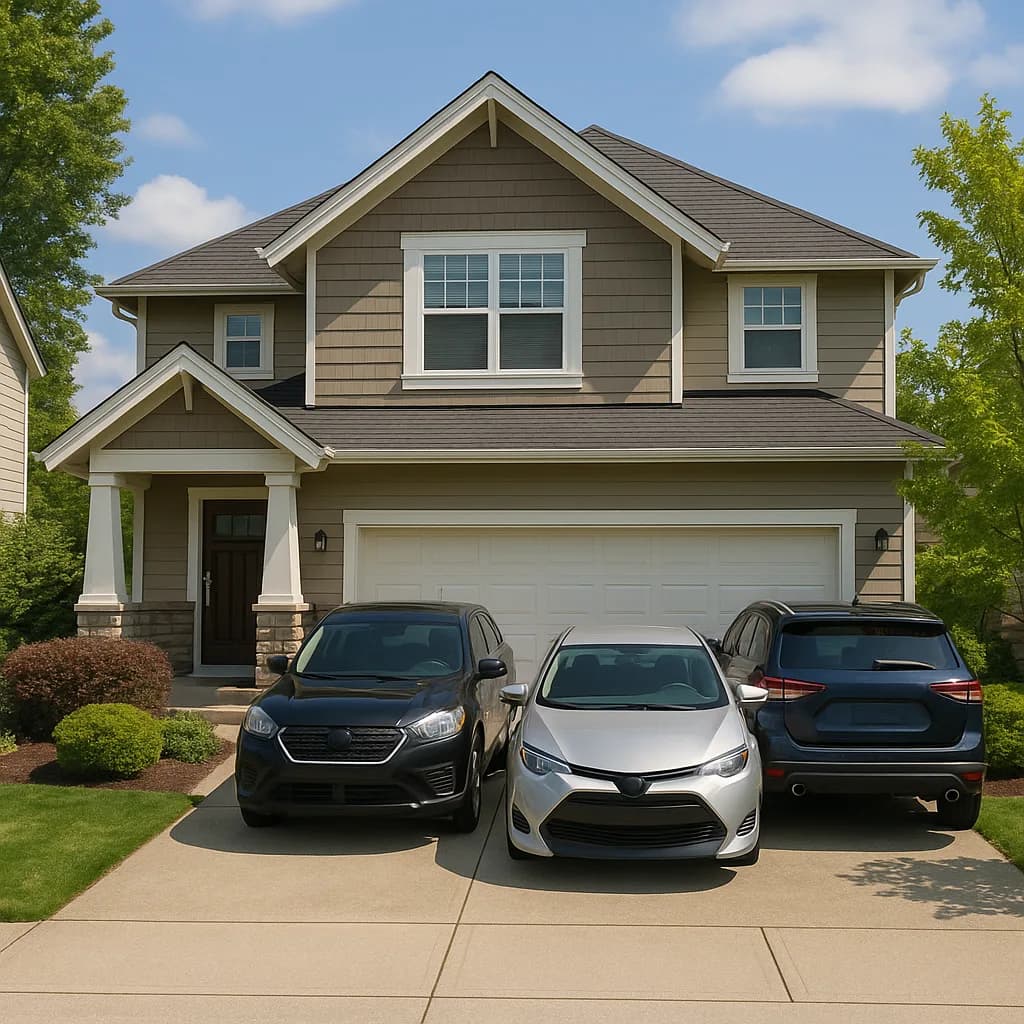
You own two vehicles: one financed sedan with full coverage because the lender requires it, and one paid-off SUV you bought used three years ago. You want to drop coverage on the older vehicle and keep liability only, but you're not sure how that affects the rest of your policy.
The decision isn't just about one car's coverage. Dropping collision and comprehensive on one vehicle in a multi-car household changes your policy structure, your premium calculation, and sometimes your multi-car discount eligibility. California requires $15,000 property damage and $30,000/$60,000 bodily injury liability on every registered vehicle, but collision and comprehensive are optional once the lien is satisfied. The question is whether dropping them saves money or creates problems you didn't anticipate.
Compare car insurance rates in your state
Get quotes from licensed carriers — no obligation, no spam, results in minutes.
Get Your Free QuoteCalifornia Minimum Property Damage
$15,000
Every registered vehicle in California must carry at least $15,000 property damage liability, $30,000 bodily injury per person, and $60,000 bodily injury per accident. Collision and comprehensive are optional, but lienholders require them until the loan is paid off.
California Department of Insurance
What Dropping Coverage Actually Changes
Collision coverage pays to repair your vehicle after an accident regardless of fault. Comprehensive pays for theft, vandalism, weather damage, and animal strikes. Dropping both means you pay out of pocket to repair or replace the vehicle after any of those events. The liability coverage you keep protects the other driver's property and injuries, not your own car.
On a multi-car policy, each vehicle carries its own collision and comprehensive election. You can drop coverage on the paid-off SUV and keep it on the financed sedan without splitting the policy. The multi-car discount applies to the policy as a whole, not to individual vehicles, so both cars stay on one policy and the discount remains intact.
The premium reduction depends on the vehicle's value, your deductible, and your driving record. Older vehicles with lower replacement costs generate smaller collision and comprehensive premiums than newer ones.
Dropping collision on one car keeps both vehicles on the same policy and preserves the multi-car discount, but you lose coverage for at-fault damage to the vehicle you changed.
When the Math Supports Dropping Coverage
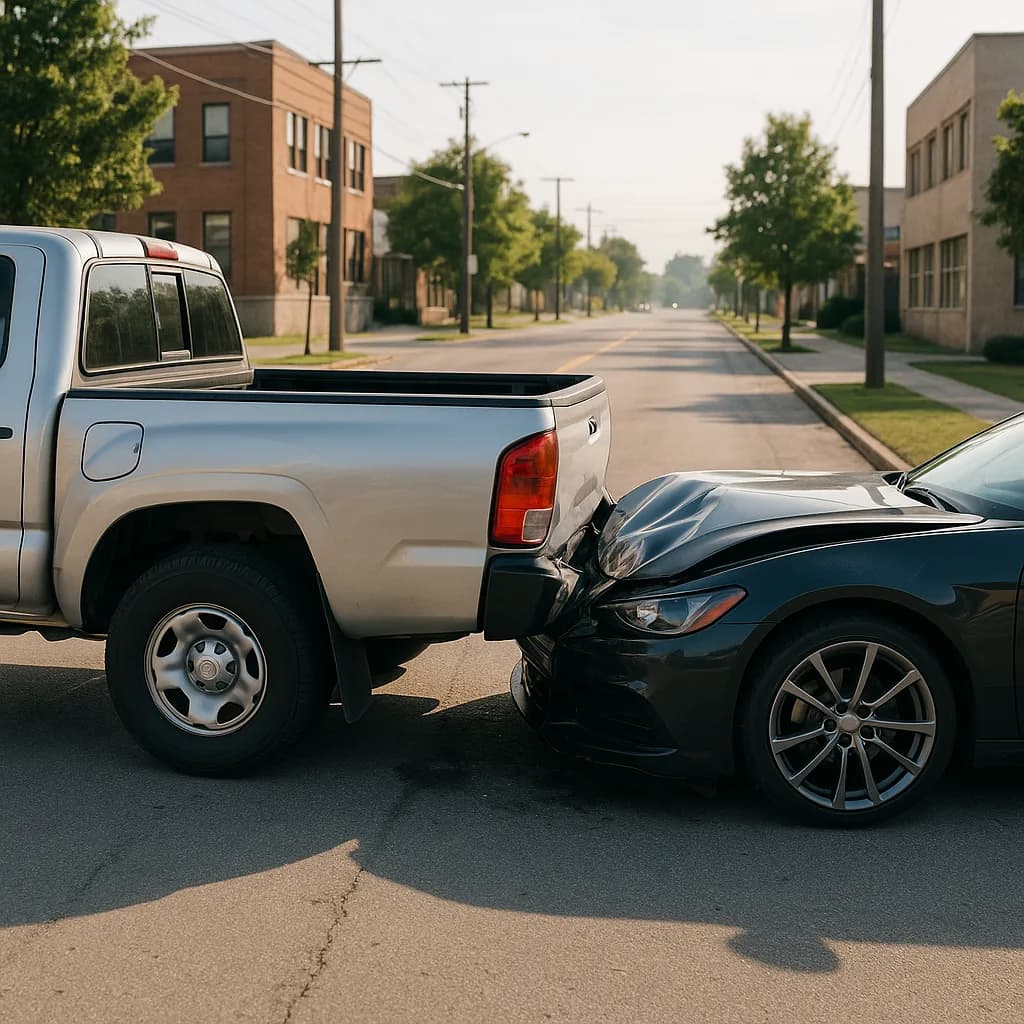
After six years, you've paid the car's value in premiums. The payout doesn't justify the cost when the vehicle is old enough that replacement is affordable out of pocket.
The second factor is household liquidity. If losing the SUV tomorrow would force you to finance a replacement immediately, keep the coverage. The decision is about risk transfer: you're choosing to self-insure the vehicle rather than pay the carrier to assume that risk.
Related Articles
How Carriers Re-Rate the Policy When You Drop Coverage
Dropping collision and comprehensive mid-term triggers a policy re-rating, not a simple subtraction. The carrier recalculates your premium based on the new coverage structure, which usually reduces your total cost but not always by the exact amount of the dropped coverage. Some carriers apply the multi-car discount after calculating each vehicle's premium; others apply it to the policy total. The order of operations affects the final number.
Request a quote for the coverage change before you make it. California carriers must provide a revised premium estimate when you request a coverage reduction. Compare the new total to your current premium and confirm the savings justify the loss of protection. If the reduction is smaller than expected, ask the carrier to explain how the multi-car discount was applied to the new structure.
Dropping coverage does not affect your liability limits, uninsured motorist coverage, or any other protection on the policy. The financed sedan keeps its full coverage, and both vehicles keep the state-required liability minimums. You're changing one vehicle's physical damage protection, not the household's liability posture.
California Uninsured Motorist Rate
20.4%
One in five California drivers carries no insurance. Uninsured motorist coverage protects you when an at-fault driver cannot pay for your vehicle damage or injuries. Dropping collision on an older car does not change your uninsured motorist election, which applies to the policy as a whole.
Insurance Research Council, 2023
When Keeping Coverage Makes More Sense
Keep collision and comprehensive if the vehicle is your primary commuter and losing it would disrupt your ability to get to work. The coverage buys time: the claim check arrives faster than you can save the replacement cost, and you avoid financing a new vehicle under time pressure.
Keep coverage if you carry a low deductible. Raising the deductible to $1,000 and keeping the coverage splits the difference: lower premium, protection against total loss, and you pay the first $1,000 out of pocket only if a claim happens.
Compare Carriers Before You Drop Coverage
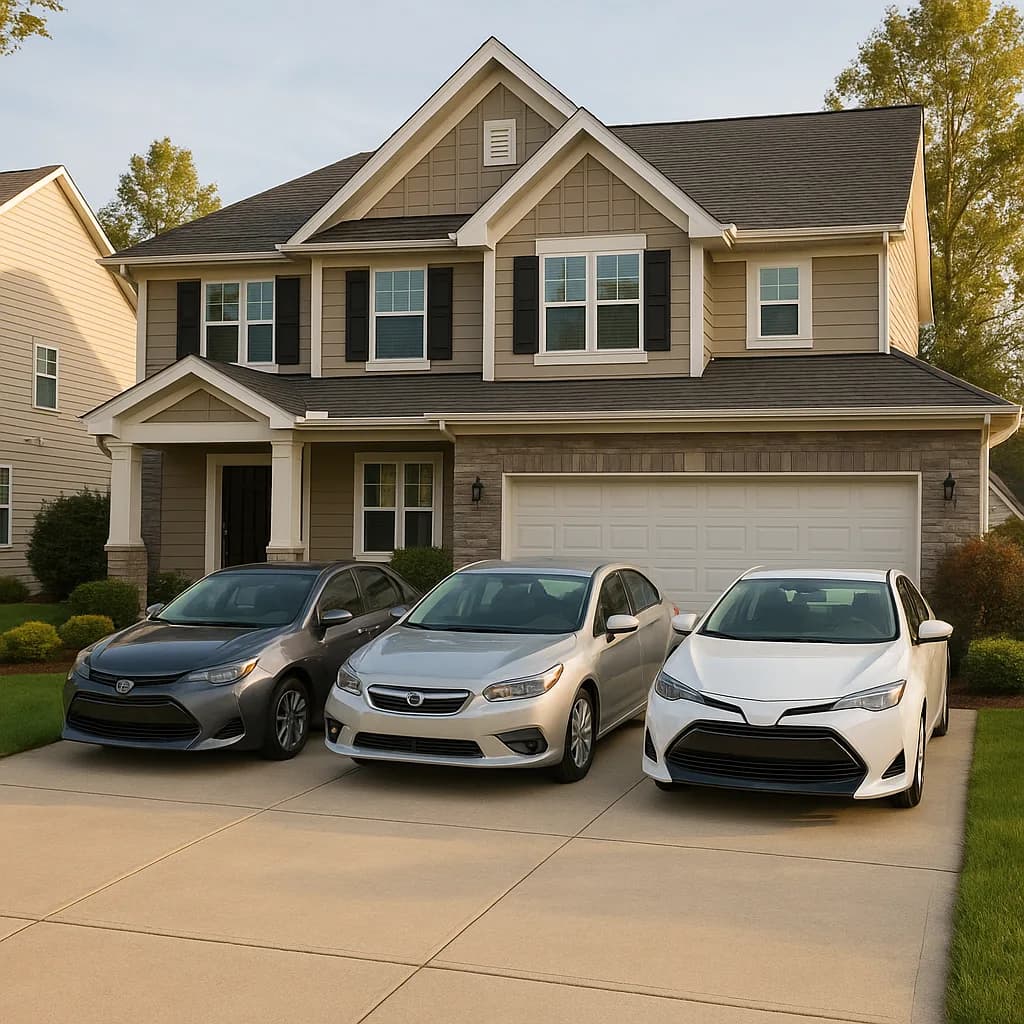
California's multi-car insurance market includes 20 carriers writing policies for households with two or more vehicles. Some specialize in older vehicles and offer lower collision premiums than standard carriers; others price aggressively for newer cars but charge more for older ones. Before you drop coverage, compare what other carriers charge for the same protection.
Request quotes that reflect your exact household: two vehicles, both drivers, current coverage levels, and the specific year, make, and model of each car. The multi-car discount varies by carrier, and some apply larger discounts to policies with three or more vehicles than to two-vehicle households. If you're close to adding a third car, the discount structure changes again, and keeping coverage on the older vehicle might cost less than you expect once the third vehicle joins the policy.