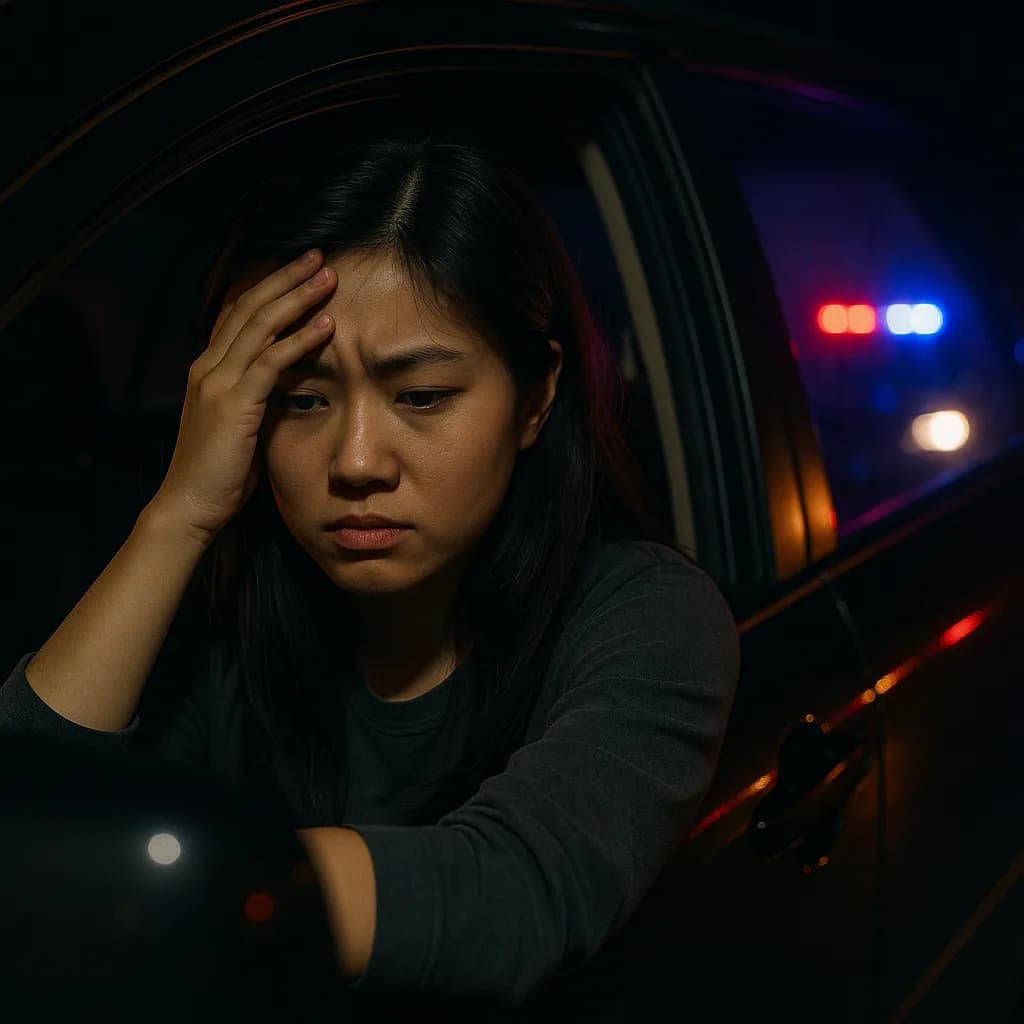
California Requires Bodily Injury Liability Coverage
California requires bodily injury liability coverage on every registered vehicle. The state minimum is $15,000 per person and $30,000 per accident. You cannot register a vehicle without proof of this coverage, and the DMV verifies your policy status randomly throughout the year.
This requirement applies to every car you own. A household with three vehicles needs bodily injury liability on all three policies — or on one shared policy covering all three cars. The DMV does not distinguish between single-car and multi-car households; every vehicle on California roads must carry the minimum.
Compare car insurance rates in your state
Get quotes from licensed carriers — no obligation, no spam, results in minutes.
Get Your Free QuoteCalifornia Bodily Injury Minimum
$15,000 / $30,000
California Vehicle Code mandates $15,000 per person and $30,000 per accident as the minimum bodily injury liability limit. This is the floor; you may carry higher limits, but you cannot register a vehicle with less.
California Vehicle Code
How California Enforces the Bodily Injury Requirement
California enforces bodily injury liability at two points: registration and random verification. When you register a vehicle, the DMV requires proof of insurance that meets the state minimum. After registration, the DMV conducts random insurance verification checks throughout the year. If your policy lapses or cancels, your carrier reports the lapse to the DMV, triggering a suspension notice.
The state does not wait for an accident to enforce coverage. A lapsed policy triggers an automatic suspension process. The DMV mails a notice; if you do not provide proof of continuous coverage within the stated window, your license suspends.
This enforcement structure makes bodily injury liability functionally mandatory. You cannot register without it, and you cannot keep your license active without maintaining it. The random verification system catches lapses even when no accident occurs.
California's random DMV verification system catches policy lapses before an accident happens.
What Bodily Injury Liability Actually Covers
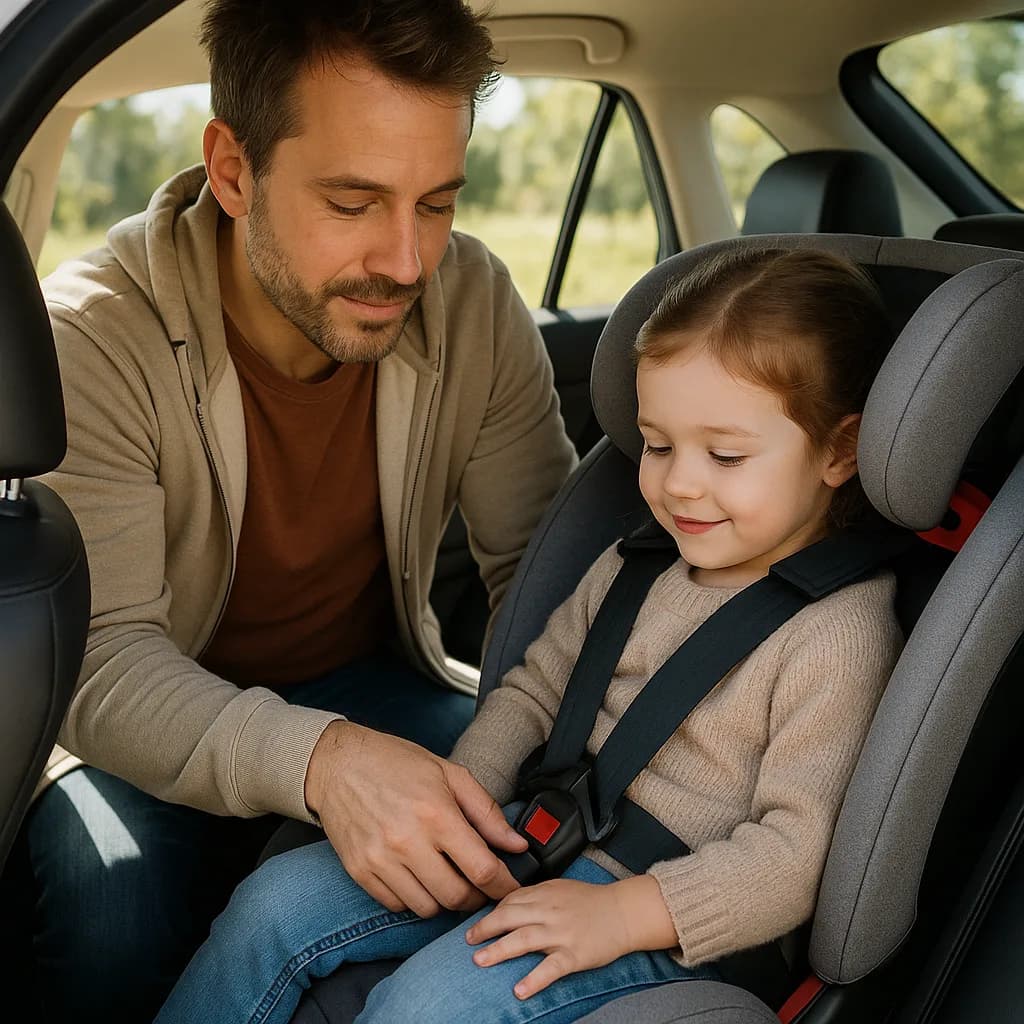
The $15,000 per person limit means the policy pays up to $15,000 for one injured person's medical bills, lost wages, and pain and suffering. The $30,000 per accident limit is the total the policy pays when multiple people are injured in the same crash. You are personally liable for that shortfall.
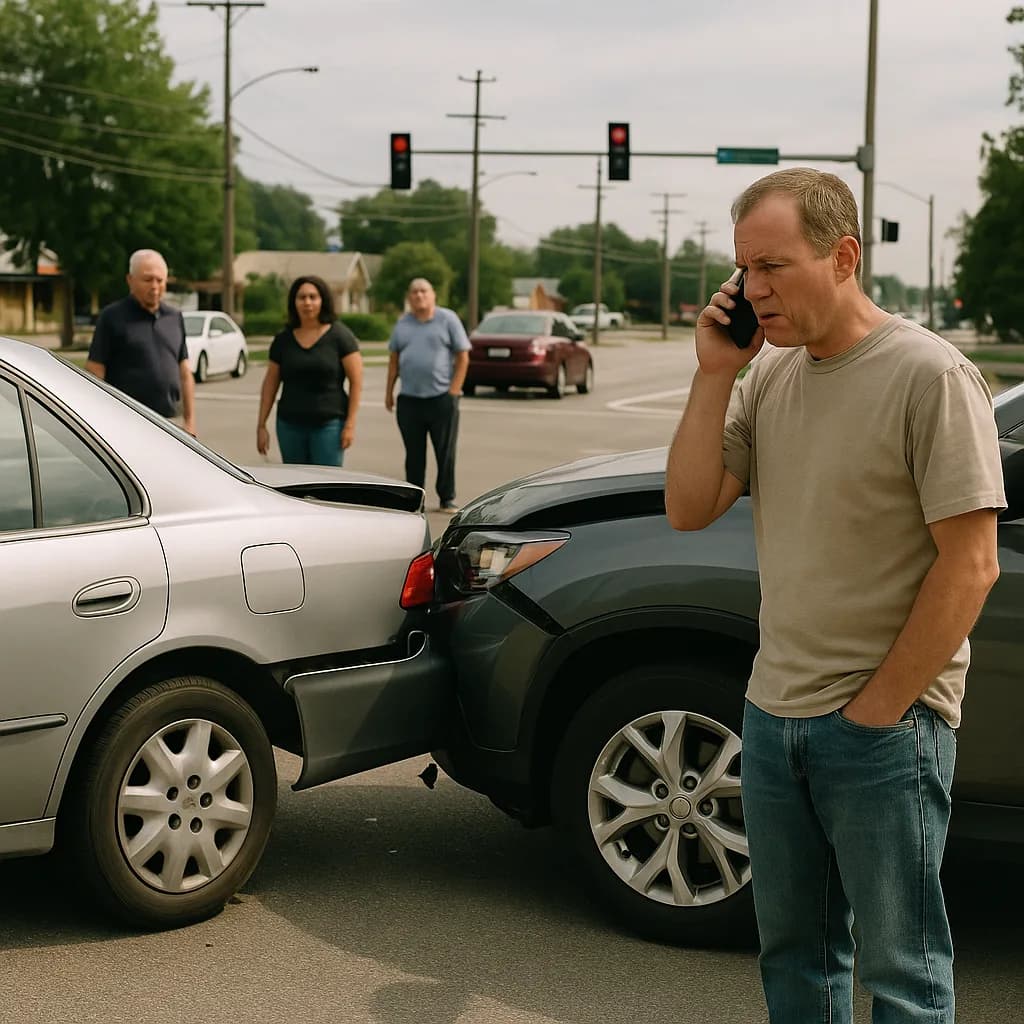
California is a tort state, meaning the at-fault driver's liability coverage pays for the other party's injuries. If you cause an accident and the injured party's medical bills exceed your policy limit, they can sue you for the difference. The state minimum protects you only in minor crashes.
Related Articles

Multi-Vehicle Households and the Bodily Injury Requirement
A household with multiple vehicles must carry bodily injury liability on every car. You can meet this requirement with one shared policy covering all vehicles, or with separate policies for each car. The DMV does not care which structure you choose; it cares only that every registered vehicle shows proof of coverage meeting the $15,000/$30,000 minimum.
Most carriers offer a multi-car discount when all household vehicles sit on one policy. The discount applies to the total premium, not to individual coverage components. Bodily injury liability is mandatory regardless of discount; the multi-car structure affects cost, not compliance. When you add a third or fourth vehicle to an existing policy, the carrier re-rates the entire policy. The bodily injury liability premium for each vehicle reflects the driver assigned to that car, the vehicle's use, and the household's overall risk profile.
If one vehicle in your household is titled to someone outside the household — an adult child, a parent, or a roommate — that vehicle may need its own policy. California allows a vehicle to sit on your policy only if the titled owner is a household member or if you are the registered owner. The bodily injury liability requirement applies to that vehicle too; the titled owner must carry their own coverage or be added to your policy as a named insured.
California Uninsured Motorist Rate
20.4%
One in five California drivers operates without insurance, despite the state's enforcement system. This rate makes uninsured motorist coverage — which is optional in California — a critical decision for households with multiple vehicles.
Insurance Information Institute, 2023
Comparing Carriers for Multi-Vehicle Bodily Injury Coverage
Bodily injury liability premiums vary significantly by carrier, even for the same household and the same vehicles. A household with three cars might see total premiums ranging from several hundred to over a thousand dollars per year difference between the lowest and highest quotes. The state minimum is the same across all carriers; the price you pay for that minimum is not.
When comparing carriers for a multi-vehicle policy, request quotes with identical liability limits across all carriers.
Next Step: Compare Carriers Writing Your Household
California's bodily injury liability requirement applies to every vehicle you own. The enforcement system — registration verification and random DMV checks — makes continuous coverage non-negotiable. The decision you control is which carrier writes your policy, what liability limits you carry above the minimum, and whether you structure coverage on one shared policy or separate policies per vehicle. Compare carriers that write multi-vehicle policies in California, request quotes with identical liability limits, and confirm each quote includes the $15,000/$30,000 minimum or higher. The state mandates the coverage; you choose the carrier and the limit that fits your household.