
Property Damage Liability in California — Required Coverage
Free to compare
California Mandates Property Damage Liability Coverage
California requires property damage liability coverage as part of the state's minimum auto insurance law. Every vehicle registered in California must carry at least $15,000 in property damage liability coverage, alongside $15,000 per person and $30,000 per accident in bodily injury liability. This is not optional — it is a statutory requirement under California Vehicle Code to register and legally operate a vehicle.
Property damage liability covers damage your vehicle causes to someone else's property in an at-fault accident: their car, a fence, a building, or other physical property. It does not cover damage to your own vehicle. That confusion is common, because the word "damage" appears in both contexts, but the liability coverage you are required to carry pays for the other party's loss, not yours.
“The $15,000 property damage minimum is the legal floor, not a recommendation — a single accident can easily exceed that amount.”
Check Your Rate Against Other California Drivers
Get My California Car Insurance Quote$15,000
California Property Damage Minimum
California Vehicle Code mandates $15,000 in property damage liability coverage per accident. This is the legal floor to register a vehicle and drive in the state. Driving without it triggers immediate penalties.
California Vehicle Code
What Property Damage Liability Actually Covers
Property damage liability pays for physical damage your vehicle causes to another party's property when you are at fault. The most common claim is damage to another driver's vehicle, but the coverage extends to any property you strike: guardrails, mailboxes, storefronts, landscaping, or structures. The $15,000 minimum is the maximum your insurer will pay per accident under that coverage.
The $15,000 minimum often falls short in real-world accidents. Repairing or replacing a modern vehicle frequently exceeds that amount, especially when multiple vehicles are involved or when you strike a building or commercial property. If the damage you cause exceeds $15,000, you are personally liable for the difference. The other party can pursue your assets directly, including wages, bank accounts, and property.
Property damage liability does not cover your own vehicle. If you want coverage for damage to your own car, you need collision coverage, which is optional in California. Many drivers assume the required property damage coverage protects their own vehicle — it does not. Collision coverage is a separate product you add to your policy, and it is not mandated by the state.
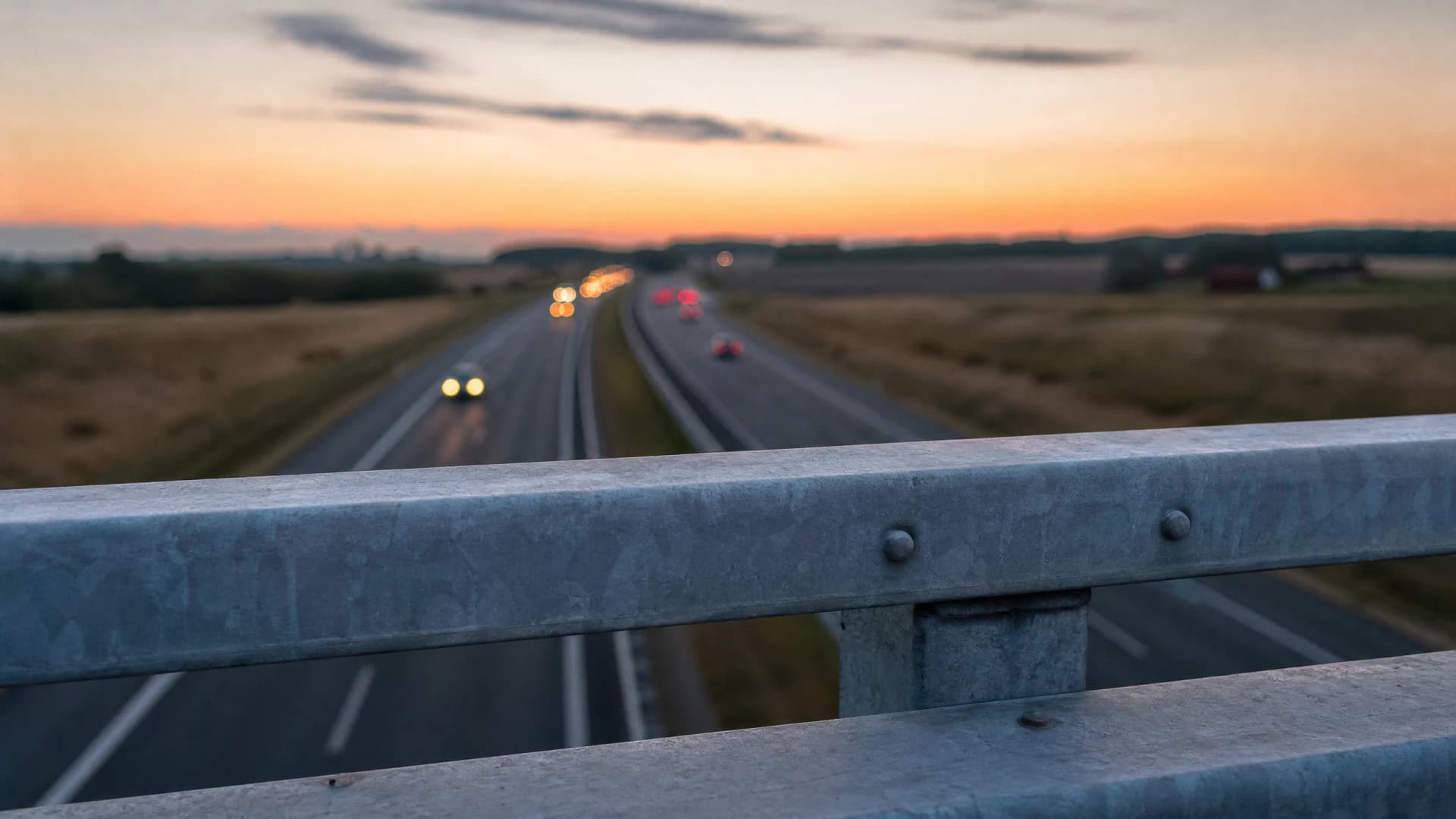
The $15,000 property damage minimum is often insufficient for a single-vehicle collision with a newer car. You remain personally liable for any amount above the limit.
Related Articles



When the Minimum Is Not Enough
The $15,000 property damage minimum is the legal floor, not a recommendation. A single accident involving a newer vehicle or multiple vehicles can easily exceed that amount. If you cause $30,000 in property damage and carry only the $15,000 minimum, you owe the remaining $15,000 personally. The other party can sue you, obtain a judgment, and garnish your wages or place liens on your property.
California does not require uninsured motorist property damage coverage, but many carriers offer it as optional protection. This coverage pays for damage to your vehicle caused by an at-fault driver who carries no insurance or insufficient coverage. Given that 20.4% of California drivers are uninsured, this optional coverage addresses a real risk. It does not replace collision coverage, which pays for damage to your vehicle regardless of fault, but it fills the gap when the at-fault driver cannot pay.
Households insuring multiple vehicles face compounded exposure. If one vehicle in your household causes an accident, the $15,000 property damage minimum applies per accident, not per vehicle. Carriers typically offer higher limits as part of a package that also raises bodily injury limits.
20.4%
California Uninsured Motorist Rate
One in five California drivers operates without insurance. When an uninsured driver causes property damage to your vehicle, you rely on your own uninsured motorist property damage coverage or collision coverage to recover the loss.
Insurance Information Institute, 2023
Structuring Coverage Across Multiple Vehicles
When you insure multiple vehicles on one policy, the property damage liability limit applies per accident, not per vehicle. If one vehicle in your household causes an accident, the $15,000 minimum is the maximum your insurer pays for property damage in that single event. The number of vehicles on your policy does not multiply the coverage — each accident is evaluated independently, and the limit applies once per occurrence.
Raising your property damage liability limit affects every vehicle on the policy simultaneously. You do not need to raise limits separately for each car. This is one reason multi-vehicle households benefit from a single policy: coverage decisions apply uniformly, and the administrative burden is lower than managing separate policies for each vehicle.
Compare Carriers and Raise Your Limits
The $15,000 property damage minimum satisfies California's legal requirement, but it leaves significant personal exposure. When you compare carriers, request quotes with higher limits to see the actual cost difference — the incremental premium is often smaller than drivers expect.
Use the site's comparison tool to see which carriers write policies for households with multiple vehicles in California and what higher property damage limits cost. Carriers writing in California include State Farm, Geico, Progressive, Allstate, Farmers, Mercury General, CSAA, and others. Each prices property damage liability differently, and the carrier offering the lowest premium at the $15,000 minimum may not offer the best rate at higher limits.
How California Enforces the Property Damage Requirement
When you register a vehicle in California, the DMV requires proof of financial responsibility, which for most drivers means an active auto insurance policy meeting the state's minimum liability limits. The insurer files proof electronically with the DMV. If your policy lapses or is canceled, the insurer notifies the DMV, and your registration can be suspended. You cannot legally drive a vehicle with suspended registration, and doing so carries fines and potential impoundment.
California law enforcement officers can verify insurance coverage electronically during traffic stops. If you cannot provide proof of insurance, you face a citation and a fine. First-time offenses typically result in a fine that can be dismissed if you provide proof you had coverage at the time of the stop, but repeat offenses carry higher fines and potential license suspension. Driving without insurance is not a minor paperwork issue — it is a moving violation that appears on your driving record.
Get Your Free Quote
Get My California Car Insurance QuoteFrequently Asked Questions
Does California require property damage liability insurance?
Yes. California requires $15,000 in property damage liability coverage per accident as part of the state's minimum auto insurance law. You cannot register or legally drive a vehicle in California without it.
What does property damage liability cover in California?
Property damage liability covers damage your vehicle causes to another party's property when you are at fault: their vehicle, a fence, a building, or other physical property. It does not cover damage to your own vehicle.
Is $15,000 property damage liability enough in California?
The $15,000 minimum is the legal requirement, but it often falls short in real accidents. Repairing or replacing a modern vehicle frequently exceeds $15,000, and you remain personally liable for any amount above your coverage limit.
What happens if I drive without property damage liability in California?
Driving without insurance in California is a moving violation. You face fines, potential vehicle impoundment, and license suspension. The DMV can suspend your registration if your insurer notifies them of a policy lapse.
Does property damage liability cover my own car in California?
No. Property damage liability covers damage you cause to someone else's property. To cover damage to your own vehicle, you need collision coverage, which is optional in California and sold separately.
How does property damage liability work with multiple vehicles on one policy?
The property damage liability limit applies per accident, not per vehicle. If one vehicle on your policy causes an accident, the limit applies once for that event, regardless of how many vehicles are on the policy.