
Driving Without Insurance — California
Free to compare
The Notice Arrives Before the Suspension
You were stopped or involved in an accident without insurance, and now you are waiting to see what happens to your license. California does suspend your license for driving uninsured, but the suspension does not happen the moment the officer writes the citation. The DMV sends a notice of suspension first, and you have a short window to respond before the suspension takes effect.
The suspension period is 365 days from the effective date the DMV sets, not from the date you were stopped. If you act quickly after receiving the notice, you can prevent the suspension from starting or end it early by proving you now carry the required coverage. If you ignore the notice or miss the deadline, the suspension locks in and your license becomes invalid for the full year.
“The suspension is not automatic at the traffic stop — you have 10 to 30 days from the DMV notice to file an SR-22 and pay the reinstatement fee before it locks in.”

Check Your Rate Against Other California Drivers
Get My California Car Insurance Quote365 days
California Uninsured Suspension
California Vehicle Code imposes a one-year license suspension for driving without insurance or failing to provide proof after an accident. The suspension runs from the effective date the DMV sets in the notice, not the citation date.
California Vehicle Code
What the DMV Notice Tells You
The DMV notice of suspension arrives by mail at the address on your license record. It names the violation — driving without insurance or failing to provide proof of insurance — and states the effective date of the suspension. That effective date is typically 10 to 30 days after the notice date, giving you a narrow window to act.
The notice explains what you must do to prevent or lift the suspension: file proof of financial responsibility with the DMV and pay the $250 reinstatement fee. Proof of financial responsibility means an SR-22 certificate filed by an insurance carrier on your behalf. The SR-22 certifies that you now carry at least California's minimum liability limits: $15,000 property damage, $30,000 bodily injury per person, and $60,000 bodily injury per accident.
If you do nothing, the suspension takes effect on the date stated in the notice. Once the suspension is active, driving becomes illegal and any traffic stop results in additional penalties, including possible vehicle impoundment and criminal charges for driving on a suspended license.
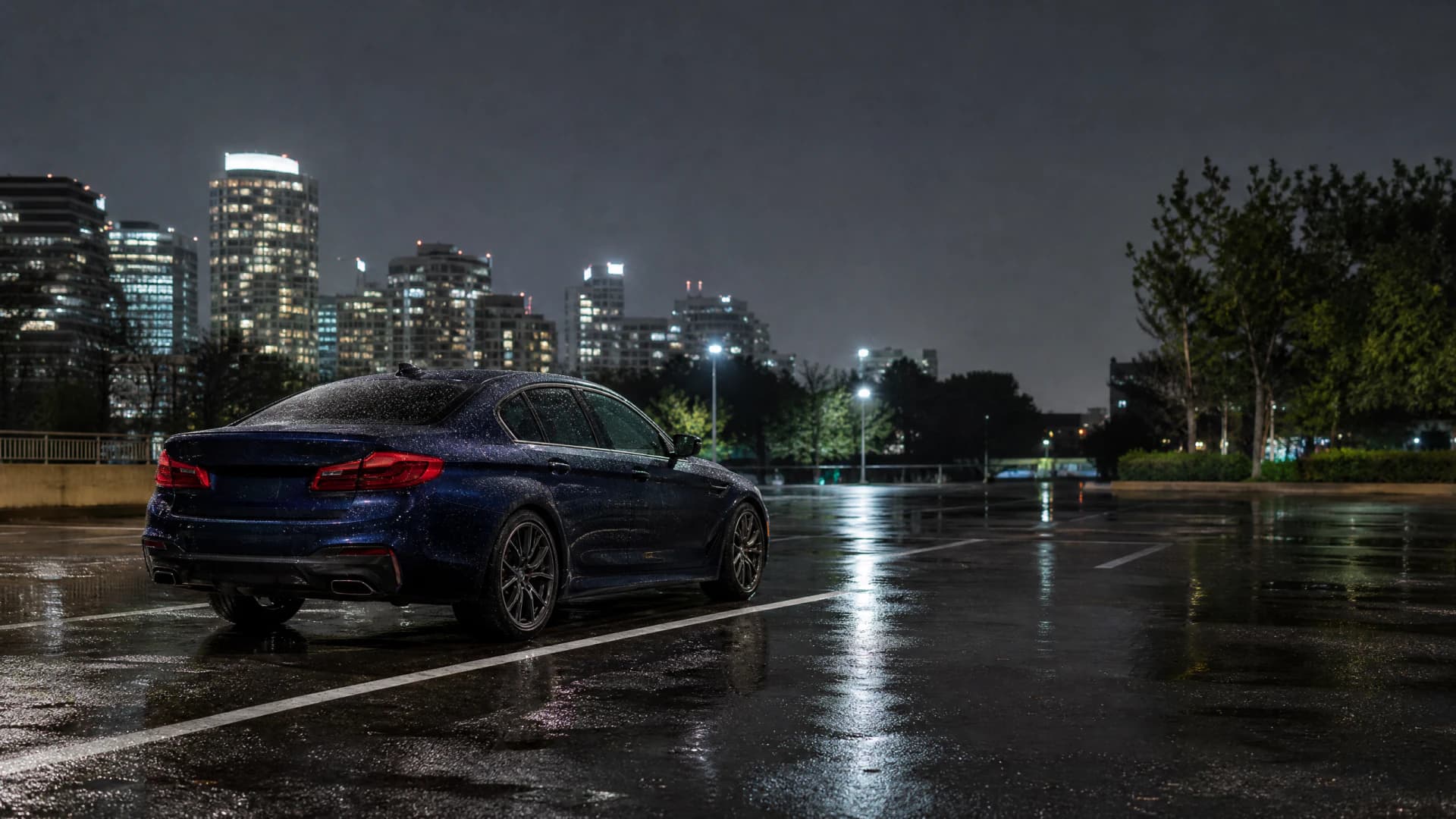
The suspension is not automatic at the traffic stop — you have 10 to 30 days from the DMV notice to file an SR-22 and pay the reinstatement fee before it locks in.
Related Articles


The Three-Year SR-22 Requirement
California requires you to maintain SR-22 coverage for three years after the violation. The three-year period begins on the date the DMV receives the SR-22 filing, not the date of the traffic stop or the date the suspension would have started. If your policy lapses at any point during the three years, the carrier notifies the DMV and your license is suspended again immediately.
Your insurance premium will be higher than it was before the violation because driving without insurance places you in a high-risk category. Carriers that specialize in SR-22 filings often offer lower rates than standard carriers for drivers in this situation.
If you let the policy lapse before the three-year period ends, you must start the three-year clock over from the date you file a new SR-22. Maintaining continuous coverage for the full three years is the only way to satisfy the requirement and end the SR-22 obligation.
$250
California Reinstatement Fee
The DMV charges a $250 reinstatement fee to lift or prevent a suspension for driving without insurance. The fee is required even if you file the SR-22 before the suspension takes effect.
California DMV
What Happens If You Ignore the Notice
If you do not respond to the DMV notice by the effective date, the suspension takes effect automatically. Your license becomes invalid, and driving on a suspended license is a separate criminal offense in California. A first offense for driving on a suspended license can result in additional fines, extended suspension periods, and possible jail time. If you are stopped while driving on a suspended license, the officer may impound your vehicle on the spot.
The suspension remains in effect until you file the SR-22 and pay the reinstatement fee. There is no automatic expiration after one year — the suspension continues indefinitely until you take action. The longer you wait, the more difficult it becomes to resolve, because additional violations or missed court dates can stack on top of the original suspension.
Compare Carriers That File SR-22 in California
Not every carrier writes SR-22 policies, and rates vary widely among those that do. Carriers that specialize in high-risk coverage — including Acceptance Insurance, Bristol West, Dairyland, The General, Geico, Infinity, Kemper, Mercury General, National General, and Progressive — file SR-22 certificates in California and often offer lower premiums than standard carriers for drivers with violations. Compare quotes from at least three carriers that confirm they file SR-22 in California before choosing a policy. The cheapest quote is not always the best option if the carrier has slow filing times or poor claims service, but the most expensive quote is rarely justified for minimum-liability SR-22 coverage.
How to Stop the Suspension Before It Starts
First, buy an auto insurance policy that meets California's minimum liability requirements. The policy must be active and in force — a quote or application does not count. Once the policy is active, ask the carrier to file an SR-22 certificate with the California DMV on your behalf. The SR-22 is not a type of insurance; it is a form the carrier files electronically to certify that you now carry the required coverage. Most carriers file the SR-22 within one to three business days of your request.
Second, pay the $250 reinstatement fee to the DMV. You can pay online, by mail, or in person at a DMV office. The DMV will not lift or prevent the suspension until both the SR-22 filing and the fee payment are complete. If you complete both before the suspension effective date in the notice, the suspension never starts. If the suspension has already taken effect, completing both steps ends the suspension and allows you to drive legally again.
Get Your Free Quote
Get My California Car Insurance QuoteFrequently Asked Questions
Does California suspend your license immediately for driving without insurance?
No. California sends a notice of suspension by mail after the violation. The notice states an effective date typically 10 to 30 days after the notice date. If you file an SR-22 and pay the $250 reinstatement fee before that date, the suspension never starts.
How long is the license suspension for driving without insurance in California?
California suspends your license for 365 days for driving without insurance. The suspension period begins on the effective date stated in the DMV notice, not the date of the traffic stop. You can end the suspension early by filing an SR-22 and paying the reinstatement fee.
What is the reinstatement fee for driving without insurance in California?
The California DMV charges a $250 reinstatement fee to lift or prevent a suspension for driving without insurance. The fee is required even if you file the SR-22 before the suspension takes effect.
How long do you have to file an SR-22 after driving without insurance in California?
You must file an SR-22 and pay the reinstatement fee before the effective date stated in the DMV notice of suspension, typically 10 to 30 days after the notice date. If you miss that deadline, the suspension takes effect and remains until you complete both steps.
Can you get a restricted license while suspended for driving without insurance in California?
Yes. California allows a restricted driver license during a suspension for driving without insurance after you file an SR-22 and pay the reinstatement fee. The restricted license permits driving to and from work, and during work if your job requires driving.
How long do you have to keep SR-22 insurance in California?
California requires you to maintain SR-22 coverage for three years after the DMV receives the filing. If your policy lapses during the three-year period, the DMV suspends your license again immediately and the three-year clock restarts when you file a new SR-22.