
Collision Coverage for Multi-Car Households — California
Free to compare
The Multi-Car Collision Question
You own three cars. You carry collision on all three because that's how the policy was written when you added the third car two years ago. Now you're looking at the renewal and wondering whether collision on the old sedan makes sense.
The answer depends on how your carrier structures the multi-car discount and whether dropping collision on one vehicle triggers a policy-wide re-rate. California does not mandate collision coverage — it is optional regardless of how many cars you insure. But the decision to drop it on one vehicle is not isolated to that vehicle. It changes the policy structure for all three cars, and in some cases eliminates bundling credits that lower the premium on the other two.
“Dropping collision on one car can eliminate the bundling discount that lowers the premium on every other vehicle.”

Check Your Rate Against Other California Drivers
Get My California Car Insurance Quote31,119,113
California Registered Vehicles
California has 31,119,113 registered motor vehicles as of 2022. Multi-vehicle households represent a significant share of that total, and collision decisions scale across every car on the policy.
California DMV registration data, 2022
What Collision Coverage Actually Pays
Collision coverage pays to repair or replace your vehicle after a crash with another car or object, regardless of fault. You pay the deductible; the carrier pays the rest up to the vehicle's actual cash value. If the repair cost exceeds the vehicle's value, the carrier declares it a total loss and pays you the cash value minus the deductible.
That math is why many households drop collision on older, low-value vehicles.
But that calculation assumes the collision premium is truly isolated to the one vehicle. On a multi-car policy, it often is not. Dropping collision can change the policy's bundling tier, which affects the premium on all vehicles, not just the one you modified.
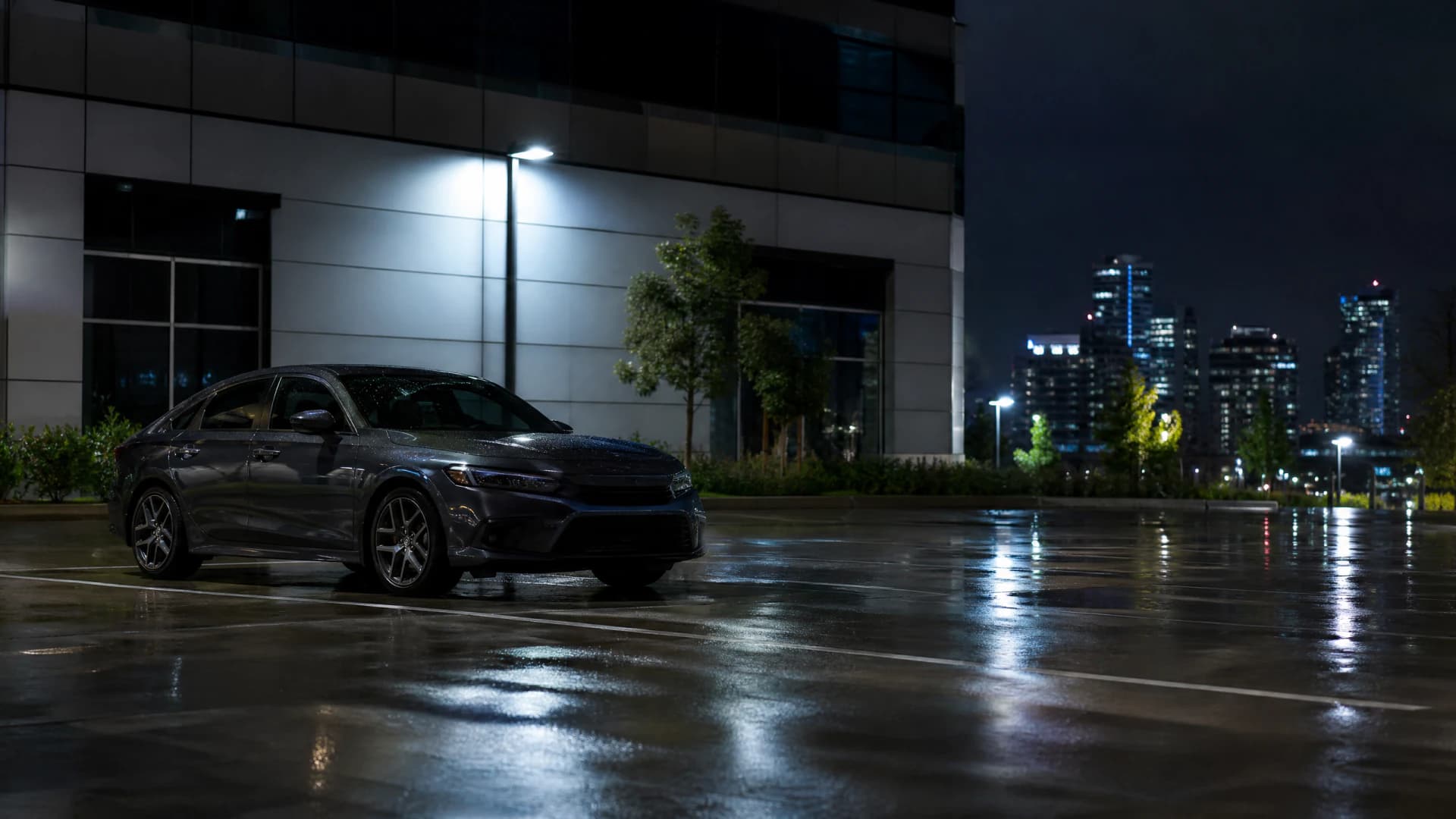
Dropping collision on one vehicle in a multi-car policy can eliminate the bundling discount that lowers the premium on every other car.
Related Articles

Best Car Insurance for Multiple Vehicles CA
7/15/2026

Drop Full Coverage California Multi-Car Policy
7/15/2026

Comprehensive Coverage Multi-Car California
7/15/2026
Full Coverage Companies for Multiple Cars CA
7/15/2026
Liability vs Full Coverage CA Multi-Car
7/15/2026
Full Coverage Carriers for Multiple Cars CA
7/15/2026
When Dropping Collision Makes Sense
Collision makes sense to drop when the vehicle's value is low enough that the maximum payout would not cover more than two to three years of premiums, and when dropping it does not eliminate a bundling tier that raises the cost on your other vehicles.
Ask your carrier how the multi-car discount is structured before you drop collision. Some carriers tier by vehicle count only, in which case dropping collision on one car has no effect on the discount applied to the others. Other carriers tier by coverage level, and dropping collision moves the policy to a lower tier. You need to know which structure applies to your policy before you make the change.
If the carrier cannot tell you how the discount tiers work, request a quote for the policy with collision removed from the third vehicle. Compare the total policy premium, not just the premium for the modified vehicle. If the total drops by more than the collision premium you are removing, the bundling tier is unaffected and the change makes sense. If the total drops by less, the tier downgrade is eating into your savings.
$30,000 / $60,000 / $15,000
California Minimum Liability Limits
California requires $30,000 per person, $60,000 per accident for bodily injury, and $15,000 for property damage. These minimums apply regardless of how many vehicles you insure, but collision is optional on every vehicle.
California Insurance Code

The Lender and Lease Constraint
If you finance or lease any vehicle on the policy, the lender requires collision and comprehensive coverage on that vehicle until the loan is paid or the lease ends. You cannot drop collision on a financed car without violating the loan agreement, and the lender will force-place coverage at a much higher cost if you do. This constraint does not extend to vehicles you own outright, even if they sit on the same policy as the financed car.
When one vehicle is financed and two are owned outright, you can drop collision on the owned vehicles without affecting the financed car's coverage. But the bundling-tier effect still applies: dropping collision on the owned cars may lower the discount tier and raise the premium on the financed vehicle, even though its coverage did not change.
Compare Carriers That Write Multi-Vehicle Policies
California has 27,632,103 licensed drivers and 31,119,113 registered vehicles as of 2022. Multi-vehicle households are the norm, not the exception, and carriers compete for them with different bundling structures. Some carriers tier aggressively by coverage level; others tier by vehicle count only. The carrier that offers the best rate for three vehicles with full coverage may not be the best rate for three vehicles where one carries liability only.
Get quotes from carriers that write multi-vehicle policies in California and ask each how the multi-car discount is structured. State Farm, GEICO, Progressive, Allstate, Farmers, Mercury General, and CSAA all write multi-vehicle policies statewide. Compare the total policy premium with and without collision on the low-value vehicle, not just the per-vehicle breakdown. The total premium is the only number that matters.
How Multi-Car Bundling Credits Work
Most carriers tier the multi-car discount by the number of vehicles and the coverage level on each. A policy with three vehicles all carrying collision and comprehensive typically qualifies for a higher bundling tier than a policy with three vehicles where one carries liability only. The discount applies to the base premium for every vehicle, so a tier downgrade raises the cost across the board.
When you drop collision on the third car, the carrier may move the entire policy to a lower bundling tier. The premium on the third car drops because you removed collision, but the premium on the first and second cars rises because the bundling credit shrinks. In some cases, the increase on the two higher-value cars exceeds the savings on the third, and the total policy premium goes up even though you removed coverage.
Get Your Free Quote
Get My California Car Insurance QuoteFrequently Asked Questions
Does California require collision coverage on any vehicle?
No. California does not mandate collision coverage on any vehicle, regardless of how many cars you insure. Collision is optional. Lenders and lessors require it on financed or leased vehicles, but the state does not.
Will dropping collision on one car raise the premium on my other cars?
It can. Many carriers tier the multi-car discount by coverage level, and dropping collision on one vehicle can move the entire policy to a lower bundling tier. That raises the premium on every other car, even though their coverage did not change. Ask your carrier how the discount is structured before you drop collision.
How do I know if dropping collision will save money on a multi-car policy?
Request a quote for the policy with collision removed from the vehicle in question. Compare the total policy premium, not just the premium for the modified vehicle. If the total drops by less than the collision premium you are removing, the bundling tier downgrade is eating into your savings.
Can I drop collision on a financed vehicle in California?
No. Lenders require collision and comprehensive coverage on financed or leased vehicles until the loan is paid or the lease ends. Dropping collision violates the loan agreement, and the lender will force-place coverage at a higher cost. You can drop collision only on vehicles you own outright.
What is the multi-car discount in California?
The multi-car discount is a premium reduction carriers offer when you insure two or more vehicles on one policy. The discount is tiered by vehicle count and sometimes by coverage level. Carriers structure it differently, so the discount percentage varies by carrier and by how many vehicles you insure.