
Comprehensive Coverage for Multiple Cars — California
Free to compare
The Multi-Car Comprehensive Question
You own three cars. Two are daily drivers; one sits in the garage most weeks. Your carrier quoted comprehensive coverage for all three vehicles, and the combined premium feels steep. You're wondering whether you need comprehensive on every car, or whether you can drop it from the vehicle you barely drive.
The structural reality: comprehensive coverage insures each vehicle individually against theft, vandalism, weather damage, and animal strikes. Unlike liability—which covers damage you cause to others and scales across your entire policy—comprehensive protects only the specific car listed on the coverage line. That asymmetry changes the math when you own multiple vehicles.
“Comprehensive protects each vehicle individually—unlike liability, which scales across your policy, comprehensive is priced per car and can be structured selectively.”

Check Your Rate Against Other California Drivers
Get My California Car Insurance Quote$30,000 / $60,000 / $15,000
California Liability Minimums
California requires $30,000 bodily injury per person, $60,000 per accident, and $15,000 property damage. These minimums apply to your policy as a whole and cover every vehicle you list. Comprehensive, by contrast, is optional and priced per vehicle.
California Insurance Code
How Comprehensive Works Across Multiple Vehicles
Comprehensive coverage pays to repair or replace your vehicle after a non-collision loss: a tree falls on it during a storm, someone breaks a window, hail dents the hood, or the car is stolen. The coverage applies only to the vehicle named on that coverage line. If you own three cars and carry comprehensive on two, only those two are covered for these perils.
Each vehicle on your policy gets its own comprehensive premium, calculated from that car's value, theft risk in your garaging ZIP code, and your chosen deductible. A 2018 sedan garaged in a high-theft area costs more to insure for comprehensive than a 2008 compact in a low-theft suburb, even when both sit on the same policy.
Because comprehensive is priced per vehicle, you can structure it selectively. Many California households with three or more cars carry comprehensive on their primary vehicles and drop it from older or rarely-driven cars whose replacement value no longer justifies the annual premium.
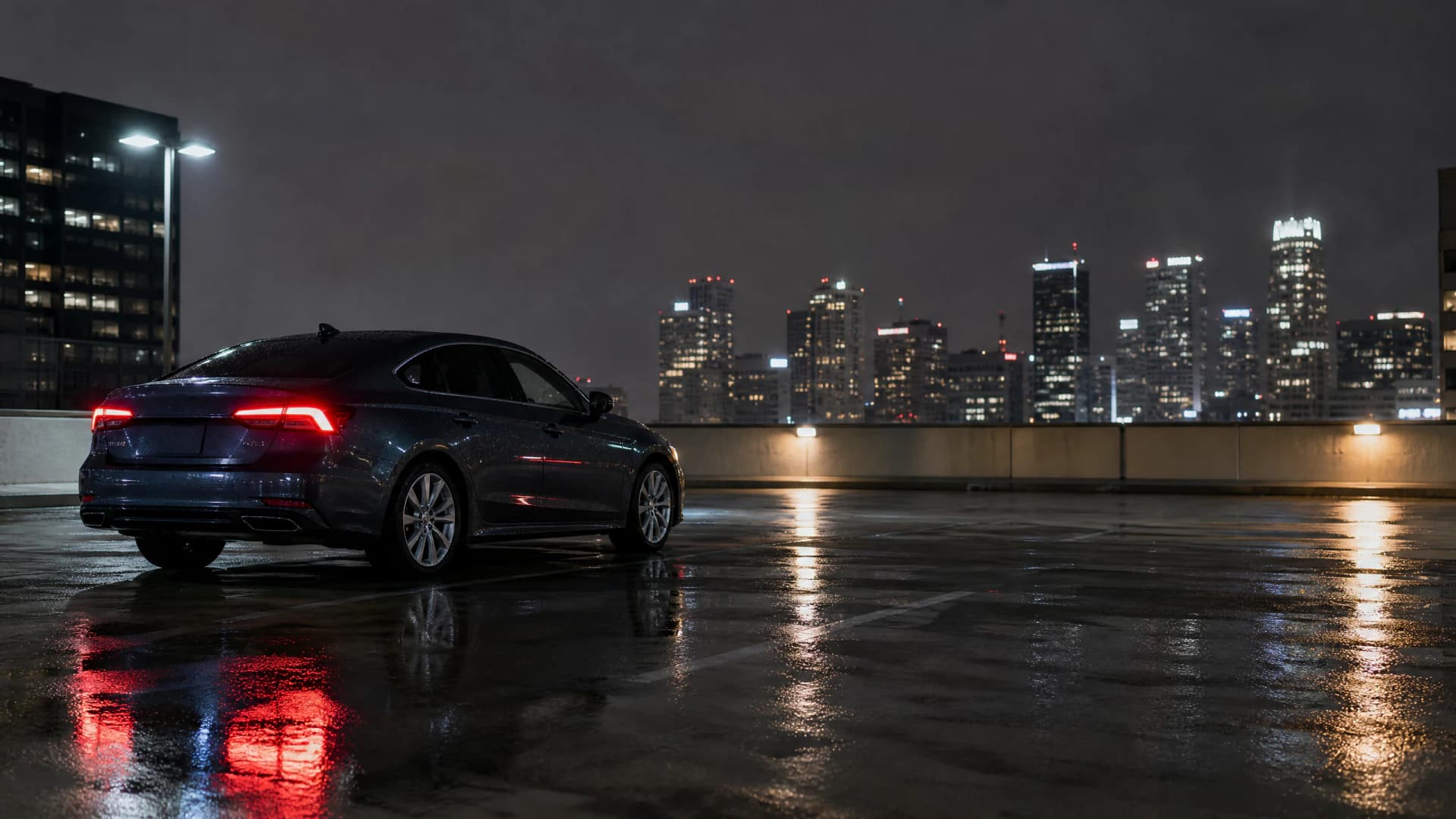
Comprehensive protects the vehicle, not the policy. Dropping it from one car does not affect coverage on the others.
Related Articles

Best Car Insurance for Multiple Vehicles CA
7/15/2026

Deductibles and Multi-Car Insurance in CA
7/15/2026

Full Coverage Companies for Multiple Cars CA
7/15/2026
Full Coverage Carriers for Multiple Cars CA
7/15/2026

Choosing a Car Insurer for Multiple Cars — CA
7/15/2026

Cheapest Multi-Car Insurance California
7/15/2026

Selective Coverage Across Your Fleet
California households with multiple vehicles often structure comprehensive coverage in tiers: full comprehensive and collision on daily drivers, comprehensive only on a secondary vehicle with moderate value, and liability-only on an older car driven occasionally. This structure keeps premium manageable while protecting the vehicles that matter most.
When you drop comprehensive from a vehicle, you're self-insuring against non-collision losses to that car. If it's stolen or damaged by weather, you pay to replace or repair it out of pocket. The decision makes sense when the vehicle's value is low enough that you could replace it without financial strain, or when the car is garaged securely and driven rarely enough that risk is minimal.
One common failure mode: dropping comprehensive from a financed or leased vehicle. Lenders and lessors require both comprehensive and collision until the loan or lease is satisfied. If you drop comprehensive from a financed car, the lender will force-place coverage at a much higher cost and bill you for it. Selective comprehensive coverage works only on vehicles you own outright.
20.4%
California Uninsured Motorist Rate
One in five California drivers carries no insurance. Uninsured motorist coverage protects you when an uninsured driver causes a collision; comprehensive protects your vehicle from non-collision perils. Both are optional, but uninsured motorist coverage applies across your entire policy while comprehensive is priced per vehicle.
Insurance Research Council, 2023

Deductible Strategy for Multi-Car Policies
Comprehensive coverage requires a deductible—the amount you pay out of pocket before the insurer pays the rest. Common deductibles are $500 or $1,000. A higher deductible lowers your premium but increases your upfront cost after a claim. When you own multiple vehicles, you can set different deductibles for each car.
Many households choose a lower deductible on their primary vehicle and a higher deductible on secondary cars. A $500 deductible on the car you drive daily keeps out-of-pocket costs manageable if you file a claim; a $1,000 deductible on a secondary vehicle you drive occasionally lowers the annual premium without much additional risk, because you're less likely to file a claim on a car you rarely use.
Compare Carriers Writing Multi-Car Policies in California
Comprehensive premium varies widely by carrier, even for the same vehicle and deductible. Some carriers price comprehensive more aggressively for multi-car policies; others do not. The only way to know which carrier offers the best rate for your specific fleet is to compare quotes with identical coverage across several insurers.
California's multi-car discount applies to liability and other coverages but does not directly reduce comprehensive premium on a per-vehicle basis. Comprehensive is still priced individually for each car. However, carriers that write multi-car policies competitively often price comprehensive more favorably as part of the overall package. Compare carriers writing standard and preferred-tier multi-car policies: see California carriers and coverage requirements.
When Comprehensive Makes Sense for Each Vehicle
If the vehicle's actual cash value exceeds your annual comprehensive premium by a factor of ten or more, comprehensive typically makes financial sense. When replacement cost drops below ten times the premium, you're paying a large percentage of the car's value each year to insure against a loss you could absorb.
Theft risk varies sharply across California. The state's motor vehicle theft rate sits at 389.7 per 100,000 population, but county and city rates diverge widely. If one of your vehicles is garaged in a high-theft area or is a commonly stolen make and model, comprehensive remains valuable even on an older car. Conversely, a rarely-driven vehicle garaged in a low-theft suburb presents lower risk and may not justify the premium once its value falls.
Get Your Free Quote
Get My California Car Insurance QuoteFrequently Asked Questions
Do I need comprehensive coverage on every car in California?
No. Comprehensive is optional in California and applies to each vehicle individually. You can carry it on some cars and drop it from others. Many multi-car households keep comprehensive on daily drivers and drop it from older or rarely-driven vehicles whose replacement value no longer justifies the premium.
Can I drop comprehensive from one car without affecting the others?
Yes. Comprehensive coverage is priced and applied per vehicle. Dropping it from one car on your policy does not change coverage on the other vehicles. Your liability coverage and any other policy-level coverages remain in place across your entire fleet.
What happens if I drop comprehensive and my car is stolen?
You pay to replace the vehicle out of pocket. Comprehensive covers theft, and without it you have no insurance claim for a stolen car. The decision to drop comprehensive makes sense only when the vehicle's value is low enough that you can absorb the replacement cost without financial strain.
Does the multi-car discount apply to comprehensive coverage?
The multi-car discount applies to your policy as a whole, not to comprehensive coverage directly. Comprehensive is still priced individually for each vehicle. However, carriers that write multi-car policies competitively often price comprehensive more favorably as part of the overall package.
Can I set different comprehensive deductibles for each car?
Yes. You can choose a different deductible for each vehicle on your policy. Many households set a lower deductible on their primary vehicle and a higher deductible on secondary cars to balance premium cost and out-of-pocket risk.
Is comprehensive required for financed or leased vehicles in California?
Yes. Lenders and lessors require both comprehensive and collision coverage until the loan or lease is paid off. If you drop comprehensive from a financed car, the lender will force-place coverage at a much higher cost. Selective comprehensive coverage works only on vehicles you own outright.