
Full Coverage Car Insurance — California
Free to compare
What Full Coverage Means for California Households
You own two or three vehicles. One is newer, financed or leased. The others are older, paid off. You're trying to figure out whether you need full coverage on every car or whether you can carry it on some and drop it on others. The question matters because the decision affects your household premium significantly, and most guidance treats full coverage as binary: you either have it or you don't.
The structural reality: full coverage is not a single product. It is shorthand for a policy that combines California's required liability minimums with collision and comprehensive coverage. You can structure your policy so that some vehicles carry full coverage while others carry liability only. The lender on a financed vehicle will require full coverage on that specific car, but paid-off vehicles on the same policy can carry whatever coverage level you choose.
“Lenders require full coverage only on the vehicle they finance; paid-off vehicles on the same policy can carry liability-only without affecting the financed car's coverage.”

Check Your Rate Against Other California Drivers
Get My California Car Insurance Quote$15,000
California Property Damage Minimum
California requires $15,000 property damage liability per accident, plus $30,000 bodily injury per person and $60,000 per accident. These minimums apply to every registered vehicle regardless of whether you add collision or comprehensive.
California Department of Insurance
The Structural Components of Full Coverage
Full coverage combines three distinct coverage types. Liability coverage pays for damage and injury you cause to others and is required by California law at the minimums stated above. Collision coverage pays to repair or replace your vehicle after an accident regardless of fault. Comprehensive coverage pays for damage from non-collision events: theft, vandalism, weather, fire, animal strikes.
Liability is mandatory on every vehicle you register. Collision and comprehensive are optional unless a lender or lessor requires them as a condition of financing. When you add collision and comprehensive to a liability policy, the result is commonly called full coverage. The term has no legal definition; it is industry shorthand.
The decision to add collision and comprehensive is made per vehicle, not per policy. A household policy covering three cars can carry full coverage on the financed sedan, liability-only on the paid-off truck, and full coverage on the leased SUV. Each vehicle's coverage level is independent.
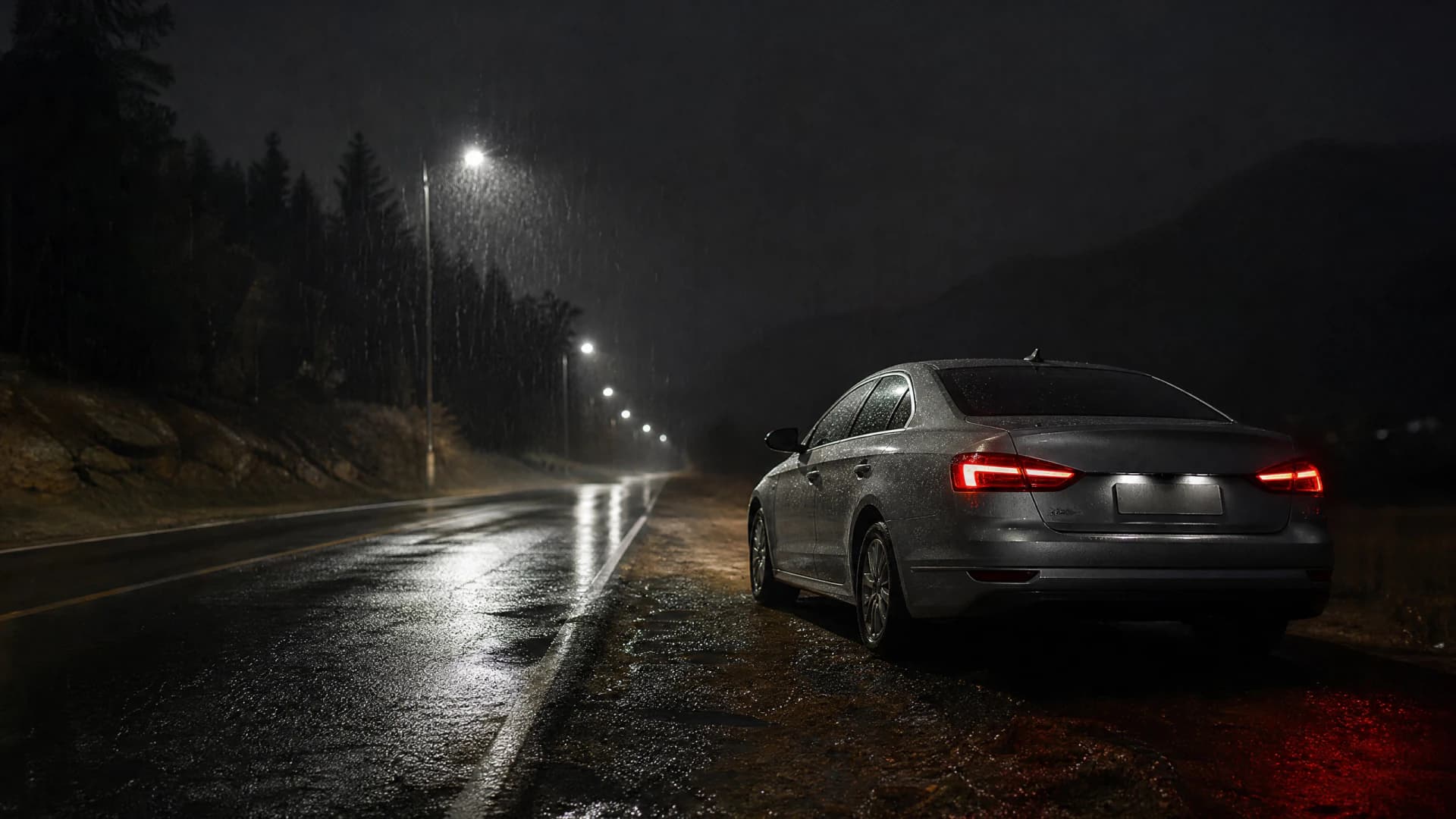
Lenders require full coverage only on the vehicle they finance. Paid-off vehicles on the same policy can carry liability-only coverage without affecting the financed car's coverage.
Related Articles

Best Car Insurance for Multiple Vehicles CA
7/15/2026

Liability vs Full Coverage California
7/15/2026
Liability vs Full Coverage CA Multi-Car
7/15/2026

Optional Car Insurance Worth It California
7/15/2026

Minimum vs Full Coverage for Multiple Cars
7/15/2026
Full Coverage Companies for Multiple Cars CA
7/15/2026

How Mixing Coverage Levels Works on One Policy
California carriers allow you to assign different coverage levels to different vehicles on the same policy. The multi-car discount applies to the policy as a whole, not to individual coverage selections. Adding or removing collision and comprehensive on one vehicle does not affect the discount or the coverage on other vehicles.
When you structure a multi-vehicle policy with mixed coverage levels, the carrier rates each vehicle independently based on its own coverage selections, then applies the multi-car discount to the combined premium. A household with a financed sedan carrying full coverage and two paid-off trucks carrying liability-only will see the discount applied to the total, but each vehicle's base premium reflects only the coverage it carries.
The failure mode: some households assume that dropping full coverage on one vehicle will trigger a policy-level re-rating that raises premiums on other vehicles. That does not happen. Each vehicle's premium is determined by its own coverage, deductible, and vehicle characteristics. Changing coverage on one car affects only that car's premium.
20.4%
California Uninsured Motorist Rate
One in five California drivers carries no insurance. Uninsured motorist coverage is optional in California but protects your household when an at-fault driver cannot pay for damage they cause to your vehicles.
Insurance Research Council, 2023

Deciding Which Vehicles Need Full Coverage
The decision framework: a vehicle needs full coverage if a lender requires it or if you cannot afford to replace the vehicle out of pocket after a total loss. For financed and leased vehicles, the decision is made for you. For paid-off vehicles, compare the vehicle's current value to the annual cost of collision and comprehensive coverage.
Between those thresholds, the decision depends on your household's risk tolerance and savings position.
Compare Carriers That Write Multi-Vehicle Policies in California
California households insuring multiple vehicles with mixed coverage levels should compare carriers that allow flexible per-vehicle coverage assignments and offer multi-car discounts. The carriers writing the most multi-vehicle policies in California include State Farm, Geico, Progressive, Farmers, Allstate, and Mercury General. Each allows you to structure collision and comprehensive coverage independently per vehicle on the same policy.
Use the comparison tool on this site to see which carriers write your household's vehicle count and coverage structure. Enter each vehicle separately, specify the coverage level you want for each, and compare the combined premium with the multi-car discount applied. The tool shows only carriers licensed to write your specific policy structure in California.
When Full Coverage Is Required
If you finance or lease a vehicle, the lender holds a lien on the title and requires collision and comprehensive coverage to protect their financial interest. The requirement appears in your loan or lease agreement and remains in effect until the loan is paid off or the lease ends. If you drop collision or comprehensive on a financed vehicle, the lender will force-place coverage at a higher rate and bill you for it.
Once a vehicle is paid off, the lender releases the lien and no longer requires full coverage. At that point you can drop collision, comprehensive, or both and carry only California's liability minimums. The decision depends on the vehicle's value: if the vehicle is worth less than ten times your annual collision and comprehensive premium, many households drop physical-damage coverage and self-insure the vehicle's replacement cost.
Get Your Free Quote
Get My California Car Insurance QuoteFrequently Asked Questions
Does California require full coverage car insurance?
California requires liability coverage only: $30,000 bodily injury per person, $60,000 per accident, and $15,000 property damage. Full coverage (liability plus collision and comprehensive) is required only when a lender or lessor mandates it as a condition of financing.
Can I have full coverage on one car and liability-only on another on the same policy?
Yes. California carriers allow you to assign different coverage levels to different vehicles on the same multi-car policy. The multi-car discount applies to the combined premium regardless of which vehicles carry full coverage.
What happens if I drop full coverage on a financed vehicle in California?
The lender will force-place collision and comprehensive coverage at a higher rate and bill you for it. Lenders require full coverage on financed vehicles to protect their financial interest until the loan is paid off.
How do I know if my paid-off car still needs full coverage?
Compare the vehicle's current value to the annual cost of collision and comprehensive coverage. If the vehicle is worth less than ten times the annual premium for physical-damage coverage, many households drop full coverage and self-insure the replacement cost.
Does dropping full coverage on one vehicle affect my multi-car discount?
No. The multi-car discount applies to the policy as a whole, not to individual coverage selections. Dropping collision or comprehensive on one vehicle reduces that vehicle's premium but does not affect the discount or the coverage on other vehicles.
What is the difference between collision and comprehensive coverage in California?
Collision pays to repair or replace your vehicle after an accident regardless of fault. Comprehensive pays for damage from non-collision events: theft, vandalism, weather, fire, and animal strikes. Both are optional unless a lender requires them.
Can I add full coverage to a vehicle mid-policy in California?
Yes. Contact your carrier to add collision and comprehensive coverage to any vehicle on your policy at any time. The carrier will re-rate that vehicle and adjust your premium effective the date you add the coverage.