
Car Impound for Driving Without Insurance — California
Free to compare
What Happens at the Traffic Stop
You're pulled over in California and the officer asks for proof of insurance. You cannot produce it — the card is expired, you left it at home, or the policy lapsed last week. The officer runs your plates and confirms no active policy is on file with the DMV. At that moment, California Vehicle Code §16028 gives the officer authority to impound your vehicle immediately. The car does not go home with you. It goes to an impound lot, and you leave the scene without it.
This is not a discretionary courtesy stop where a warning suffices. California treats driving without insurance as both a citable offense and grounds for immediate vehicle seizure. The impound is a consequence separate from the ticket. You will receive a citation for driving uninsured under CVC §16029, which carries a fine and triggers a one-year license suspension. The impound adds storage fees, towing costs, and a mandatory 30-day hold before you can retrieve the vehicle — even if you buy insurance the next day.
“The 30-day impound hold is mandatory. Buying insurance after the stop does not shorten it.”
Check Your Rate Against Other California Drivers
Get My California Car Insurance Quote20.4%
California Uninsured Motorist Rate
One in five California drivers operates without insurance, the fourth-highest uninsured rate in the nation. Officers encounter uninsured drivers daily, and impound authority exists precisely because voluntary compliance is low.
Insurance Information Institute, 2023
The Structural Reality: Proof Timing Determines Impound
The impound decision hinges on whether you can prove active coverage at the traffic stop. California law does not require the officer to give you time to retrieve a card from home or pull up a digital proof on your phone if service is poor. The officer's authority to impound activates the moment you cannot produce acceptable proof and the DMV database shows no active policy tied to your plates.
Acceptable proof includes a paper insurance card issued by a licensed carrier, a digital insurance card displayed on your phone, or verification through the California Law Enforcement Telecommunications System that links your registration to an active policy. If you have coverage but left the card at home, and the DMV database has not yet updated to reflect your new policy, the officer may still impound. The database lag is real — it can take 24 to 72 hours for a new policy to appear in the system after you buy it.
If you can show proof on scene — even a digital card or a confirmation email with policy details the officer can verify — the impound may be avoided. But if verification fails, the car goes to the lot. The ticket and the impound are separate enforcement actions. Resolving one does not automatically resolve the other.
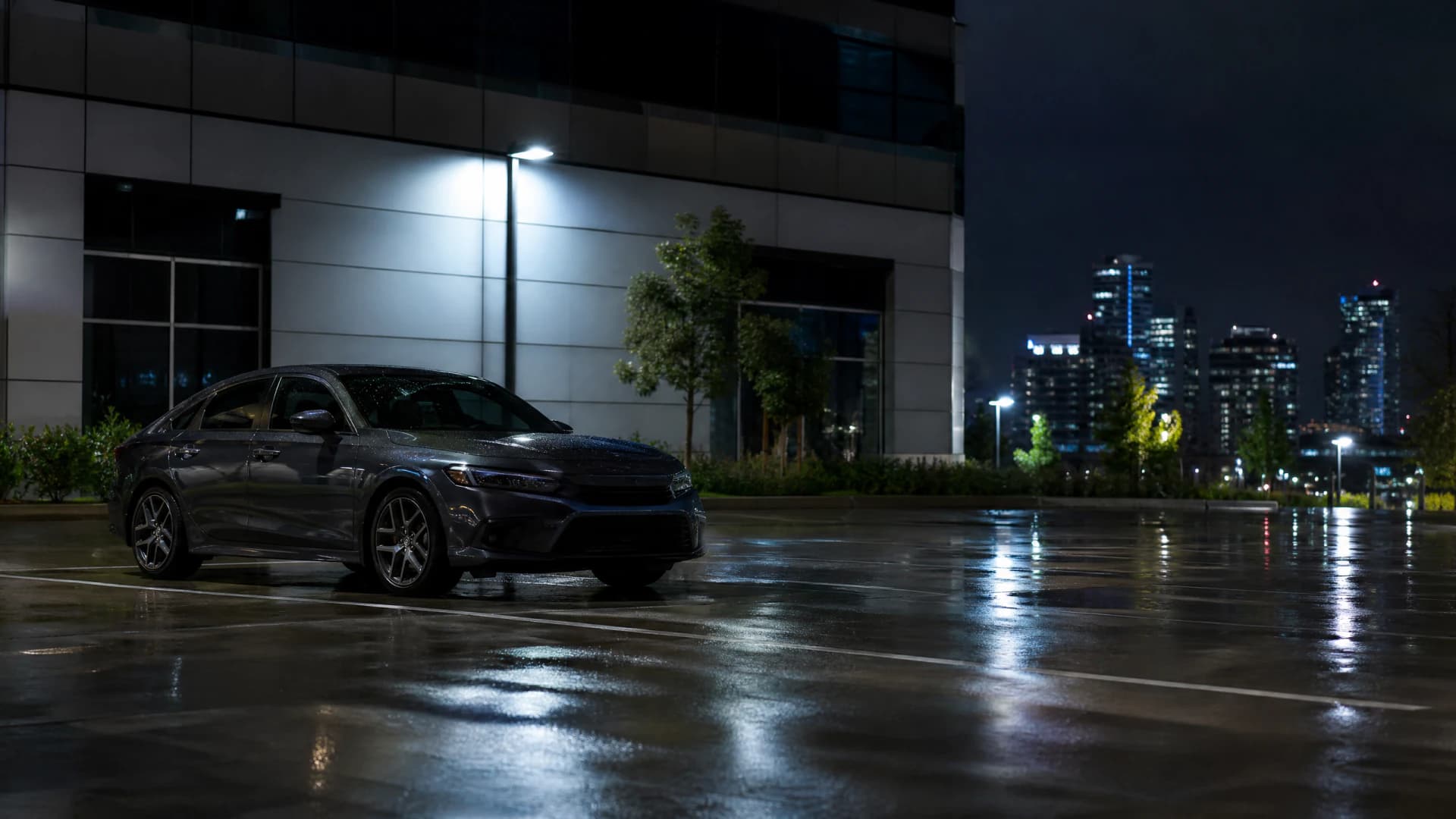
The 30-day impound hold is mandatory. Buying insurance after the stop does not shorten it. You pay storage fees for every day the car sits.



The Consequence Chain: Suspension and Reinstatement
The citation for driving without insurance triggers an automatic one-year license suspension under CVC §16370. The DMV mails a suspension notice within 15 days of the citation. The suspension begins 34 days after the notice is mailed unless you take action. To avoid suspension, you must prove you had valid insurance on the date of the stop or file an SR-22 certificate with the DMV before the suspension takes effect.
If the suspension takes effect, reinstatement requires three steps. First, you must obtain an SR-22 certificate from a licensed California insurer and maintain it for three years. Second, you pay a $250 reinstatement fee to the DMV. Third, you resolve any outstanding fines from the original citation. Only after all three are complete does the DMV lift the suspension and restore your driving privilege.
The SR-22 requirement lasts three years from the reinstatement date. If your policy lapses at any point during those three years, the insurer notifies the DMV and your license is suspended again. The three-year clock resets.
$250
California DMV Reinstatement Fee
This fee is separate from court fines, impound costs, and the SR-22 filing fee. It is non-negotiable and must be paid in full before the DMV will reinstate your license after a suspension for driving uninsured.
California DMV
Avoiding Impound: What You Control
The impound is avoidable if you can prove insurance at the stop. Carry proof in the vehicle at all times — either a paper card or a digital card accessible without cell service. If you use a digital card, screenshot it and save it to your phone's photo library so you can display it even when service is unavailable. Update your proof immediately when you renew or switch carriers. An expired card is not valid proof, and officers will not accept it.
If you just bought a policy and the DMV database has not updated, carry the policy declaration page or the confirmation email from the carrier. Officers can verify coverage by calling the carrier's verification line if you provide the policy number and effective date. This takes time, and not every officer will make the call, but it is your best option if the database shows no active policy. If the officer cannot verify coverage on scene and impounds the vehicle, you can contest the impound at an administrative hearing within 10 days, but you must prove you had valid coverage on the date of the stop. The burden of proof is on you.
What to Do If Your Car Is Impounded
If the vehicle is impounded, your first step is to buy insurance immediately. You need an active policy to retrieve the car after the 30-day hold, and you need an SR-22 filing to avoid or lift the license suspension. Contact carriers that write SR-22 policies in California — the injected carrier roster above lists 15 carriers that write SR-22 coverage in the state, including Acceptance, Bristol West, Dairyland, Farmers, Geico, Infinity, Kemper, Mercury General, National General, Progressive, Root, State Farm, The General, and USAA. Not every carrier writes SR-22 for every driver; some decline based on driving history or the reason for the filing requirement.
Once you have coverage and the SR-22 is filed, mark your calendar for day 30 of the impound hold. Contact the impound lot two days before the release date to confirm the total fees owed and the documents required. Bring proof of insurance, the SR-22 filing confirmation, valid identification, and vehicle registration. Pay the full amount in cash, cashier's check, or card if the lot accepts it. If you cannot pay, the car stays in the lot and fees continue to accrue. If you cannot retrieve the vehicle within 90 days, the lot will likely file for a lien sale.
Request an administrative hearing within 10 days of the impound if you believe you had valid coverage on the date of the stop and can prove it. The hearing is your only opportunity to contest the impound and potentially recover fees. If you win, the DMV orders the lot to release the vehicle and may refund storage fees. If you lose, the 30-day hold stands and you pay the full amount. Missing the 10-day window forfeits your right to contest.
Compare Carriers and File SR-22 Now
California's impound and suspension rules do not wait for you to figure out coverage. The 30-day hold is mandatory, the suspension notice is automatic, and fees accrue daily. If you are driving without insurance right now, buy a policy today. If your car is already impounded, file the SR-22 and start the reinstatement process immediately. The longer you wait, the more you pay. Use the California car insurance requirements page to confirm the minimum liability limits you must carry, and compare carriers that write SR-22 policies for drivers in your situation. The impound is a consequence you can avoid — but only if you act before the next traffic stop.
How the Impound Process Works
California Vehicle Code §14602.6 mandates a 30-day impound for driving without insurance if this is your first offense within a 36-month period. The hold begins the day the vehicle arrives at the lot, not the day you buy insurance or resolve the citation.
To retrieve the vehicle after 30 days, you must provide proof of current insurance, pay all towing and storage fees in full, and present valid identification and vehicle registration. If you cannot afford the fees, the lot will not release the car. If fees remain unpaid for 90 days, the lot can file for a lien sale and auction the vehicle to recover costs. The impound lot is a private contractor; negotiating payment plans is rare and entirely at the lot's discretion.
Get Your Free Quote
Get My California Car Insurance QuoteFrequently Asked Questions
Can a California officer impound my car if I forgot my insurance card at home?
Yes, if the officer cannot verify active coverage on scene and the DMV database shows no policy tied to your plates. Acceptable proof includes a paper card, a digital card on your phone, or database verification. If you have coverage but cannot prove it at the stop, the officer may impound the vehicle. You can contest the impound at an administrative hearing within 10 days if you can prove coverage existed on the date of the stop.
How long is my car impounded for driving without insurance in California?
California mandates a 30-day impound hold for a first offense of driving without insurance within a 36-month period under Vehicle Code §14602.6. The hold begins the day the vehicle arrives at the lot. Buying insurance after the impound does not shorten the 30-day period.
What happens to my license if I'm caught driving without insurance in California?
The DMV automatically suspends your license for one year under Vehicle Code §16370. The suspension begins 34 days after the DMV mails the notice unless you prove you had valid insurance on the date of the citation or file an SR-22 certificate before the suspension takes effect. Reinstatement requires an SR-22 filing maintained for three years, a $250 reinstatement fee, and resolution of any outstanding fines.
How much does it cost to get my car out of impound after 30 days in California?
You must also provide proof of current insurance and an SR-22 filing to retrieve the vehicle. If you cannot pay the full amount, the lot will not release the car.
Can I contest a vehicle impound for driving without insurance in California?
Yes, you can request an administrative hearing within 10 days of the impound. You must prove you had valid insurance on the date of the stop. If you win, the DMV orders the lot to release the vehicle and may refund storage fees. If you lose, the 30-day hold stands and you pay all fees. Missing the 10-day window forfeits your right to contest.
What is an SR-22 and why do I need it after driving without insurance in California?
California requires SR-22 filing for three years after a conviction for driving without insurance. If your policy lapses during those three years, the DMV suspends your license again and the three-year clock resets.
Which California carriers write SR-22 policies for drivers caught without insurance?
Carriers that write SR-22 coverage in California include Acceptance, Bristol West, Dairyland, Farmers, Geico, Infinity, Kemper, Mercury General, National General, Progressive, Root, State Farm, The General, and USAA. Not every carrier writes SR-22 for every driver; some decline based on driving history or the reason for the filing requirement. Compare quotes from multiple carriers to find coverage that fits your situation.