Full Coverage Car Insurance — California
Full coverage car insurance isn't a single policy type — it's a package combining liability, collision, and comprehensive coverage to protect both you and your vehicle.
Free to compare
What Is Full Coverage Car Insurance Insurance?
Full coverage combines three distinct coverage types into one package: liability insurance (required by California law), collision coverage (pays for your vehicle damage regardless of fault), and comprehensive coverage (pays for non-collision damage like theft, vandalism, or weather). Liability covers injuries and property damage you cause to others. Collision and comprehensive cover your own vehicle, which liability never does. Most lenders require full coverage on financed or leased vehicles because the car serves as loan collateral.
- An uninsured driver runs a red light and totals your car. The other driver has no insurance to pay your vehicle damage. Your collision coverage pays to replace your vehicle minus your deductible. Your uninsured motorist property damage coverage may also apply depending on your policy structure, potentially reducing your out-of-pocket cost.
Who Needs Full Coverage Car Insurance Insurance?
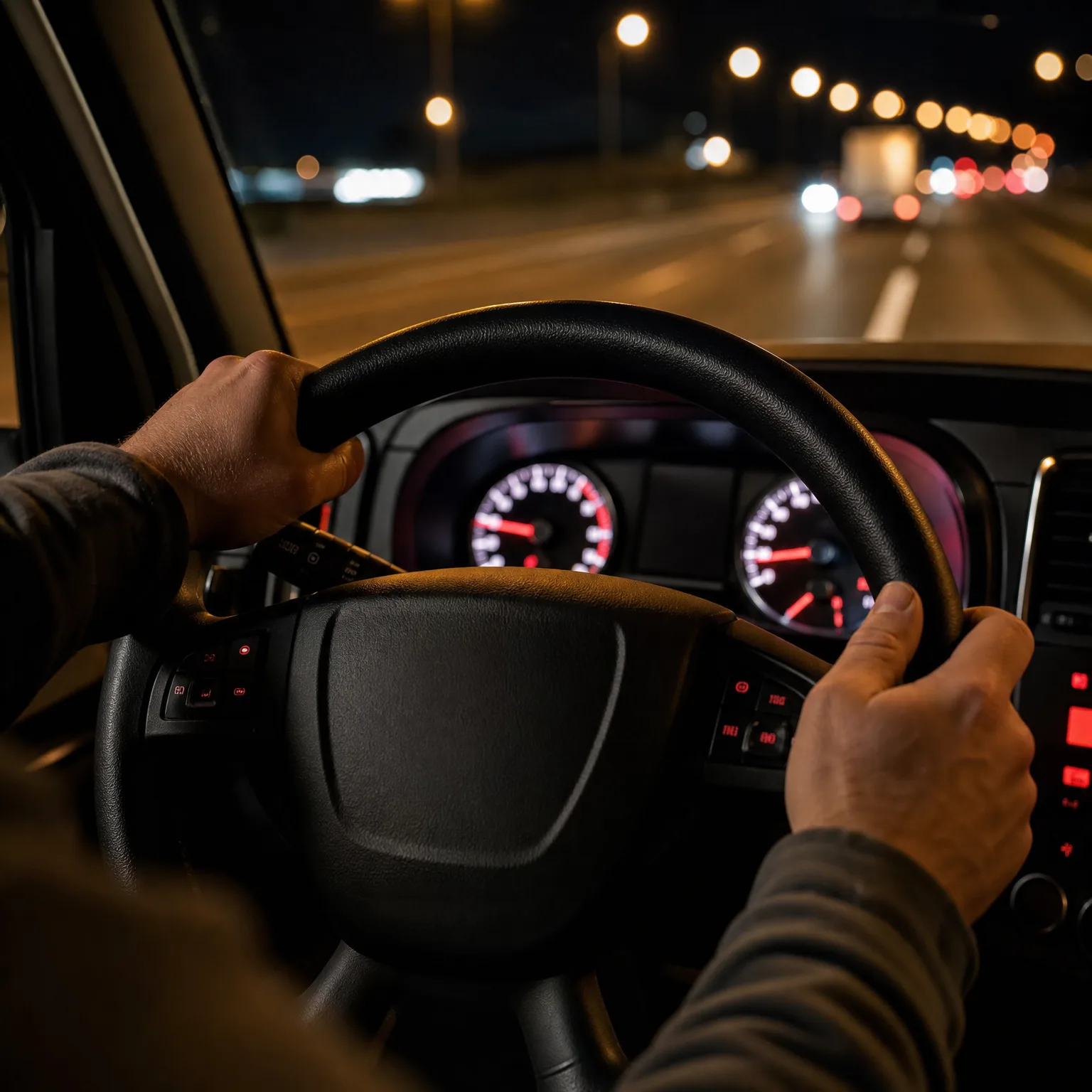
It's also the right choice if you live in an area with high theft or weather risk, or if your commute puts you in heavy traffic where collision risk is elevated.
Calculate your vehicle's current market value and compare it to the annual cost of adding collision and comprehensive. If the coverage costs more than 10 percent of your car's value per year, and you have savings equal to the vehicle's replacement cost, liability-only may be the better financial decision. If losing your car would prevent you from working or create financial hardship, full coverage is worth the premium.
How Much Does Full Coverage Car Insurance Insurance Cost?
- Vehicle value — higher-value cars cost more to insure because collision and comprehensive payouts scale with replacement cost.
- Driving record — at-fault accidents and moving violations raise collision premiums more than liability premiums because you're statistically more likely to file a claim.
- Location density — urban California ZIP codes with higher theft and vandalism rates see comprehensive premiums 20–40 percent higher than rural areas.
- Credit-based insurance score — California allows insurers to use credit history as a rating factor, affecting both collision and comprehensive pricing.
- Annual mileage — drivers logging over 15,000 miles per year face higher collision premiums due to increased accident exposure.