
Lowering Multi-Car Insurance Rates — California
Free to compare
Why Your Multi-Car Premium Jumped at Renewal
Your California auto policy covers three vehicles. Last term you paid one amount; this term the carrier re-rated the entire policy and the new premium is higher, even though you made no claims and added no drivers. The multi-car discount still appears on the declaration page, but the total went up.
California carriers re-rate every vehicle on a multi-car policy at renewal, not just the vehicle that changed. When one vehicle's risk profile shifts — a teen driver ages into a new bracket, a car moves from pleasure use to commute, or the garaging ZIP code changes — the carrier recalculates the base premium for every car on the policy before applying the multi-car discount. The discount percentage may stay the same while the underlying premium rises.
“A smaller discount on a lower base rate often beats a larger discount on a higher one.”
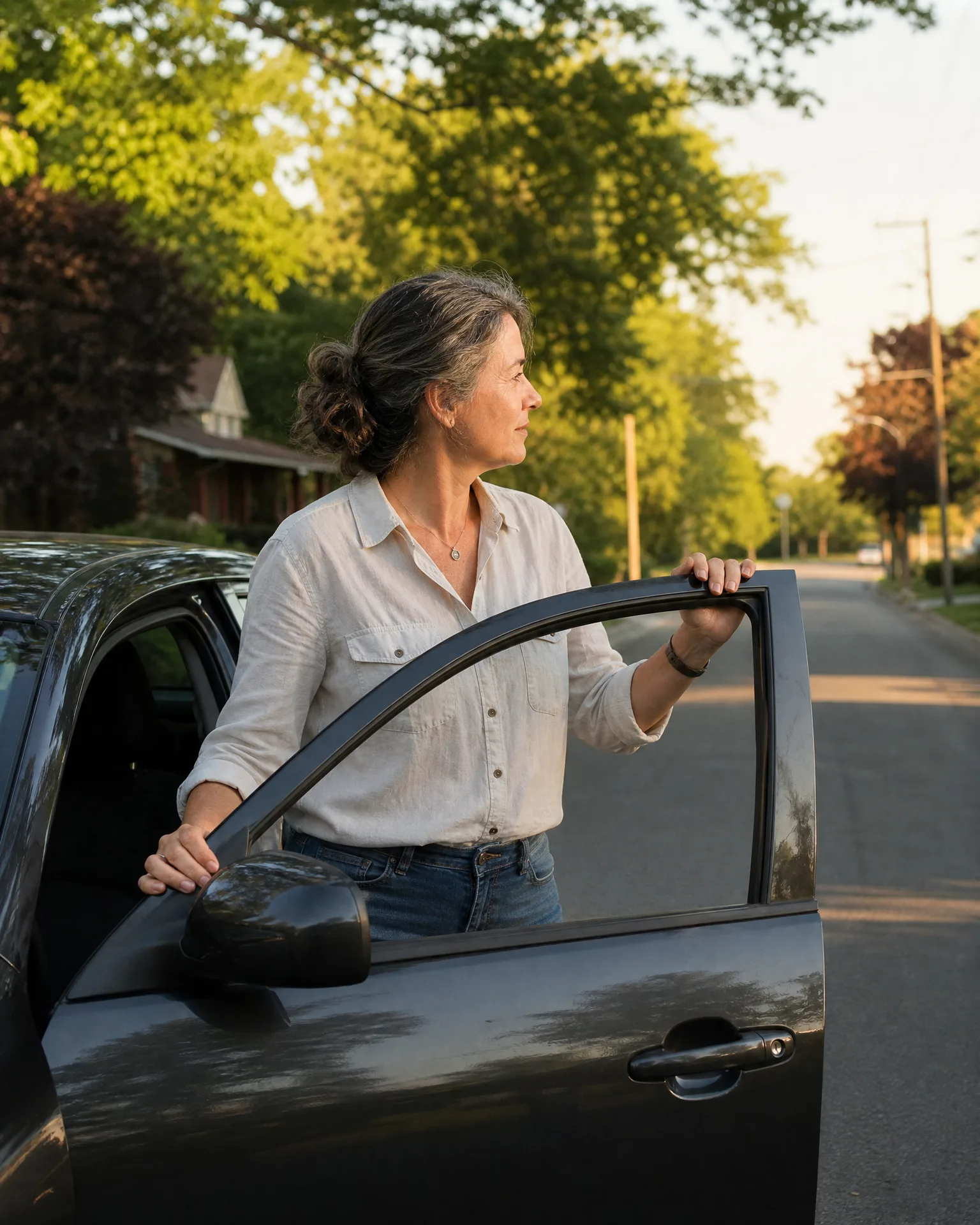
Check Your Rate Against Other California Drivers
Get My California Car Insurance Quote$1,223.16
California Average Annual Auto Expenditure Per Vehicle
This 2023 figure reflects the statewide average across all coverage tiers and household structures. Multi-vehicle households often pay less per car due to the multi-car discount, but the total policy premium depends on each vehicle's individual rating factors before the discount applies.
NAIC Auto Insurance Database Report 2023
How the Multi-Car Discount Actually Works in California
The multi-car discount is a percentage reduction applied to the total policy premium after the carrier calculates the cost of insuring each vehicle separately. California law does not mandate a minimum multi-car discount, so carriers set their own percentages and eligibility rules. Most require every vehicle to sit on the same policy and share a garaging address.
A carrier advertising a larger multi-car discount does not automatically deliver a lower total premium. The discount applies to the carrier's base rate, and base rates vary widely. A carrier with a lower base rate and a smaller discount can produce a lower total premium than a carrier with a higher base rate and a larger discount.
When you compare carriers, request quotes that include every vehicle on your household policy. The declaration page will show the premium for each car, the multi-car discount line item, and the total policy premium. Compare the total, not the discount percentage.
A multi-car discount applies after each vehicle is individually rated. If one vehicle's rating factors change, the entire policy premium recalculates before the discount.
Related Articles







Which California Carriers Write the Largest Multi-Vehicle Households
Not every carrier in California writes policies for households with four or more vehicles. Acceptance Insurance, Bristol West, Dairyland, Geico, Infinity, Kemper, Mercury General, National General, Progressive, and The General write non-standard and standard-tier multi-car policies with no hard vehicle-count cap. State Farm, Allstate, Farmers, and USAA write multi-car policies but may restrict the number of vehicles or require underwriting approval for households with more than three cars.
When you request quotes, specify the exact number of vehicles and the driver assigned to each. Carriers that decline to quote a four-vehicle household are not withholding a discount; they do not underwrite that household structure. Compare only the carriers that return a bindable quote for your vehicle count.
Households with a mix of standard and high-risk drivers — one driver with a clean record and one with a recent violation — should request quotes from carriers writing both tiers. Mercury General, National General, and Progressive write across tiers and may offer a better combined premium than splitting the household across two carriers.
20.4%
California Uninsured Motorist Rate
One in five California drivers carries no insurance. Households insuring multiple vehicles should confirm uninsured motorist coverage is included on the policy. California does not mandate UM coverage, but carriers must offer it and you must decline it in writing.
Insurance Research Council, 2023

When Splitting Vehicles Across Two Policies Costs Less
Most California households save money by insuring every vehicle on one policy. The multi-car discount offsets the administrative cost of managing multiple cars, and the carrier prices the household as a single risk pool. But two situations produce a lower combined premium when vehicles sit on separate policies.
A household with one high-risk driver and several clean-record drivers may pay less by placing the high-risk driver's vehicle on a non-standard carrier policy and the remaining vehicles on a standard-tier carrier policy. The non-standard carrier rates only the high-risk vehicle, and the standard carrier rates the clean-record vehicles without the high-risk driver's surcharge pulling up the base premium. Compare the combined total of two separate policies against the single-policy total before deciding.
A household with one rarely-driven vehicle — a classic car, a project car, or a seasonal vehicle — may save by placing that vehicle on a separate policy with mileage-based or storage coverage rather than including it on the daily-driver policy at full annual premium. The multi-car discount on the daily-driver policy will shrink, but the total premium may still drop if the rarely-driven vehicle's standalone premium is low enough.
How to Lower Your Multi-Car Premium Right Now
Request quotes from at least three carriers writing your vehicle count and coverage tier. Provide the same vehicle details, driver assignments, coverage selections, and garaging address to every carrier so the quotes are comparable. The declaration pages will show each carrier's base premium per vehicle, the multi-car discount, and the total policy premium. Compare the total.
Adjust coverage by vehicle. A financed car requires full coverage with collision and comprehensive; an older paid-off car with low market value may only need California's minimum liability coverage of $30,000 per person, $60,000 per accident, and $15,000 property damage. Dropping collision and comprehensive on one vehicle lowers the policy premium before the multi-car discount applies, so the savings compound.
Confirm every vehicle is garaged at the address you provided. California carriers rate by garaging ZIP code, and a vehicle garaged at a different address than the policy lists will be rated incorrectly. If one vehicle is garaged at a second property — a college student's car at a campus address, or a work vehicle at a job site — notify the carrier and request a re-rate with the correct garaging location for that vehicle.

Compare Carriers Writing Your Household Structure
California households insuring two or more vehicles need quotes from carriers that write their specific vehicle count, driver mix, and coverage tier. The multi-car discount is one factor; the base premium per vehicle is the larger one. Request quotes that include every vehicle, compare the total policy premium across carriers, and adjust coverage by vehicle value and lien status. The lowest total premium comes from the carrier whose base rate and discount structure fit your household, not the carrier advertising the largest discount percentage.
What Drives the Per-Vehicle Premium Before the Discount
Each vehicle's premium starts with the driver assigned to it, the vehicle's year and model, the garaging ZIP code, the annual mileage, and the coverage selections. California prohibits carriers from using credit-based insurance scores, so driving record, age, and location carry more weight than in other states. A household with one clean-record driver and one driver with a speeding ticket will see a higher premium on the vehicle assigned to the driver with the violation.
Coverage tier matters more on a multi-car policy than on a single-car policy because the difference compounds across vehicles. A household carrying liability-only coverage on two older cars and full coverage on one financed car will pay less total premium than a household carrying full coverage on all three, even with the same multi-car discount percentage. Adjust coverage by vehicle value and lien status, not uniformly across the policy.
Get Your Free Quote
Get My California Car Insurance QuoteFrequently Asked Questions
Does every vehicle on a California multi-car policy get the same discount?
The multi-car discount applies to the total policy premium, not to each vehicle separately. California carriers calculate the premium for each vehicle individually based on that vehicle's driver, mileage, and coverage, then apply the multi-car discount to the sum. The discount percentage is the same across the policy, but the dollar savings per vehicle varies because each vehicle's base premium is different.
Can I insure two cars on one policy if they are garaged at different addresses in California?
Yes, but each vehicle must be rated using its actual garaging address. California carriers price by ZIP code, and a vehicle garaged at a different address than the policy lists will be rated incorrectly. Notify your carrier of the second garaging location and request a re-rate. Some carriers restrict multi-car policies to vehicles garaged at the same address; confirm eligibility when you request a quote.
What happens to my multi-car discount if I remove one vehicle from the policy?
Removing a vehicle from a California multi-car policy triggers a re-rate of the remaining vehicles. The multi-car discount percentage may stay the same, shrink, or disappear entirely depending on how many vehicles remain. Most carriers require at least two vehicles on the policy to apply a multi-car discount. Contact your carrier before removing a vehicle to confirm the new total premium.
Do California carriers require all drivers in the household to be listed on a multi-car policy?
California carriers require you to list every licensed driver residing in the household, even if they do not regularly drive the insured vehicles. The carrier assigns each driver to a vehicle for rating purposes. If a household driver is excluded from the policy, that driver cannot operate any vehicle on the policy. Failing to list a household driver can result in claim denial.
Is it cheaper to insure three cars on one California policy or split them across two policies?
Most California households save money by insuring all vehicles on one policy because the multi-car discount offsets the cost. Splitting vehicles across two policies costs less only when one driver carries a high-risk surcharge that pulls up the entire policy premium, or when one vehicle is rarely driven and qualifies for mileage-based or storage coverage. Request quotes for both structures and compare the combined total.