
Progressive Multi-Car Insurance — California
Free to compare
Progressive Multi-Car Coverage in California
You own two or more vehicles and you're evaluating whether Progressive's multi-car discount delivers better value than combining policies with another carrier writing California households. Progressive writes standard-tier auto insurance statewide and offers a multi-vehicle discount, but the discount applies only when every vehicle sits on the same Progressive policy and meets the carrier's same-household garaging requirement.
Many California households assume the multi-car discount applies automatically when adding a second or third vehicle. It does not. A vehicle titled to a household member on a separate policy, garaged at a different address, or excluded from the primary policy for underwriting reasons will not qualify for the same-policy discount. This article clarifies how Progressive structures multi-vehicle coverage in California, what the same-policy requirement actually means, and how to compare Progressive's approach against the 16 other carriers writing multi-car households statewide.
“A vehicle titled to a household member on a different policy does not count toward the same-policy multi-car discount.”

Check Your Rate Against Other California Drivers
Get My California Car Insurance Quote$15,000
California Property Damage Minimum
California requires $15,000 property damage liability per accident as part of the state's 15/30/15 minimum liability structure. Every vehicle on a Progressive multi-car policy must carry at least this limit to meet state registration and proof-of-insurance requirements.
California DMV
What Progressive's Multi-Car Discount Requires
Progressive's multi-vehicle discount applies when you insure two or more vehicles on a single Progressive auto policy. The discount is not a flat percentage and varies by household, vehicle mix, and garaging address. The carrier does not publish a standard discount rate, and the actual reduction depends on underwriting factors Progressive evaluates at quote time.
The same-policy requirement is the structural blocker most households miss. A vehicle titled to your spouse, adult child, or other household member must be added to your Progressive policy to qualify for the multi-car discount. If that household member maintains a separate Progressive policy, or a policy with another carrier, the vehicles do not count toward the same-policy threshold and the discount does not apply.
Progressive also requires that all vehicles on the policy share the same garaging address. A vehicle garaged at a second home, a college student's out-of-state address, or a work location in a different city may be excluded from the multi-car discount or require a separate policy. Verify garaging rules with Progressive directly when adding a vehicle stored outside the primary household address.
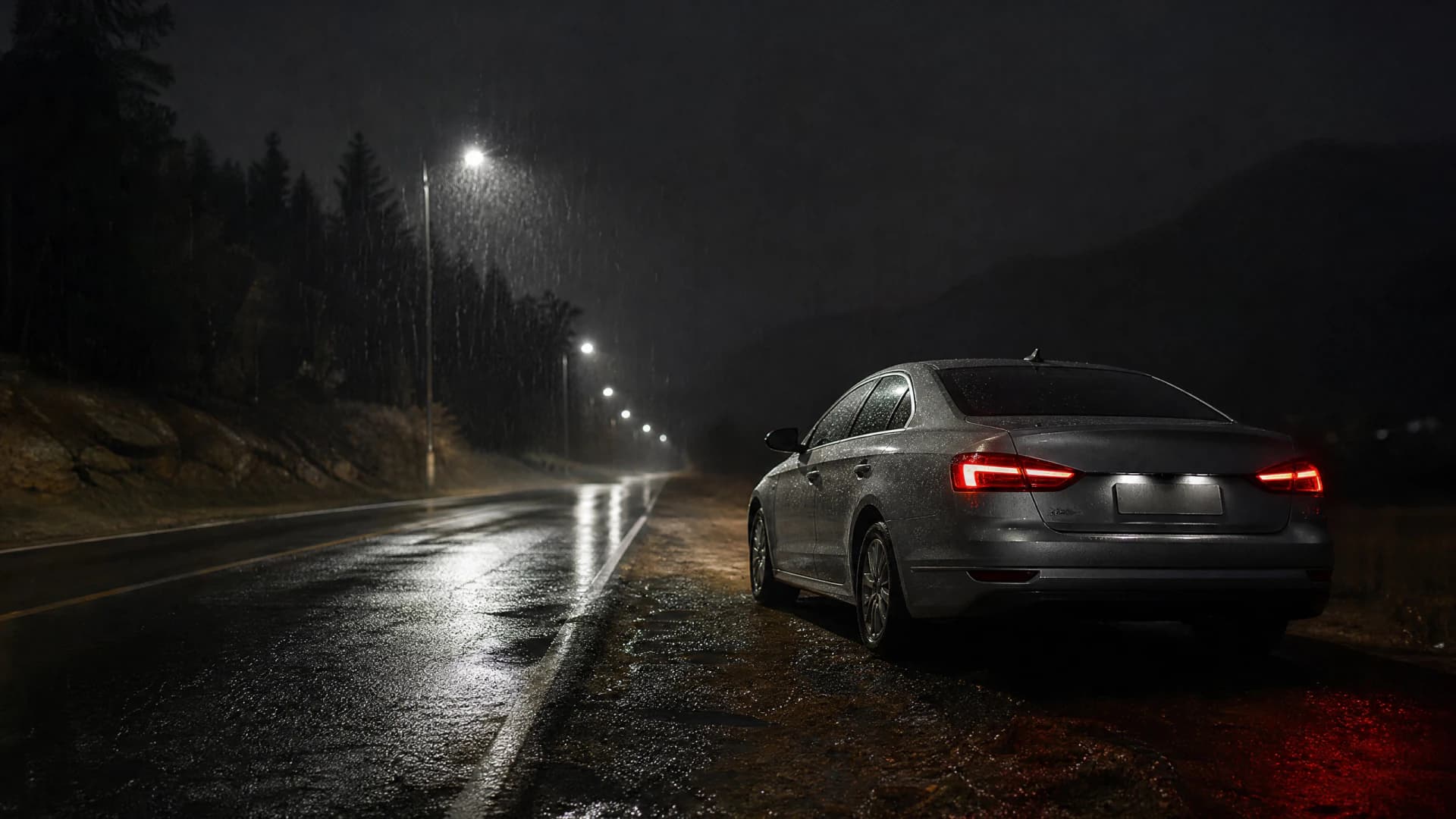
A vehicle titled to a household member on a different policy does not count toward Progressive's same-policy multi-car discount, even if both policies are with Progressive.
Related Articles

Best Car Insurance for Multiple Vehicles CA
7/15/2026

Progressive Multi-Car Insurance California
7/15/2026

Cheapest Multi-Car Insurance California
7/15/2026

Best Cheap Car Insurance for Multiple Cars CA
7/15/2026

Cheapest Multi-Car Insurance in California
7/15/2026
Choosing a Car Insurer for Multiple Cars — CA
7/15/2026

Comparing Progressive Against Other California Multi-Car Carriers
Seventeen carriers write multi-vehicle policies in California, and each structures the multi-car discount differently. Progressive writes standard-tier coverage and accepts households with clean driving records, minor violations, and some at-fault accidents. Carriers like Geico, State Farm, and Allstate also write standard-tier multi-car policies statewide, while Bristol West, Dairyland, and The General write non-standard-tier households with DUI convictions, suspended licenses, or multiple violations.
The multi-car discount is not the only variable. Compare the base premium before the discount is applied, the coverage options each carrier offers, and whether the carrier allows you to structure coverage differently across vehicles. A smaller discount on a lower base rate can beat a larger discount on a higher one. Progressive's base rates vary by county, vehicle type, and driver profile, so a quote valid in Los Angeles County may not reflect what the same household pays in San Diego or Sacramento.
California does not mandate uninsured motorist coverage or personal injury protection, but 20.4% of California motorists drive uninsured. Adding uninsured motorist coverage to a multi-car policy increases the total premium, but the per-vehicle cost is often lower than adding it to separate single-car policies. Compare quotes with and without uninsured motorist coverage to see the actual cost difference for your household.
17 carriers
California Multi-Car Carriers
Seventeen carriers write multi-vehicle auto insurance policies in California, spanning preferred, standard, and non-standard tiers. Progressive writes standard-tier coverage statewide and competes directly with Geico, State Farm, Allstate, and Farmers for households with two or more vehicles.

When Combining Policies Saves Money and When It Does Not
Combining two separate policies into one multi-car Progressive policy usually lowers the total premium, but not always. If one household member carries a preferred-tier policy with a lower base rate and the other carries a standard-tier policy, combining them onto one standard-tier policy can raise the total cost. Progressive re-rates the combined household at the higher-risk tier, and the multi-car discount may not offset the base-rate increase.
Marriage, a household move, or an adult child returning home are common triggers for combining policies. Before combining, compare the total premium of two separate policies against the combined multi-car quote. If the combined quote is higher, keep the policies separate or compare other carriers that may offer a better combined rate. The multi-car discount is not guaranteed to save money in every household structure.
Compare Multi-Car Quotes Across California Carriers
Progressive is one option among seventeen carriers writing California households with multiple vehicles. The same-policy requirement, the base rate before discounts, and the coverage options each carrier offers vary significantly. A multi-car quote from Progressive may beat other carriers for your household, or it may not—the only way to know is to compare quotes structured identically across carriers. Use the comparison tool to see quotes from carriers writing your vehicle count, garaging address, and driver profile, and verify that each quote reflects California's $15,000 property damage minimum and any optional coverages you need.
Adding a Vehicle to an Existing Progressive Policy
Progressive typically allows 30 days to report a newly purchased vehicle, but the exact grace period varies by state and policy terms. During the grace period, the new vehicle is covered under your existing policy's liability and physical damage coverages, subject to the same limits and deductibles as your current vehicles. After the grace period expires, an unreported vehicle is not covered, and a claim filed for that vehicle will be denied.
Adding a vehicle mid-term re-rates your entire policy, not just the new car. Progressive recalculates the multi-car discount, adjusts liability and physical damage premiums for all vehicles, and applies the new total premium from the date the vehicle is added. The premium increase is not simply the cost of insuring one additional car—it reflects the re-rated household risk profile. Compare the re-rated quote against adding the vehicle to a separate policy or switching carriers before finalizing.
Get Your Free Quote
Get My California Car Insurance QuoteFrequently Asked Questions
Does Progressive offer a multi-car discount in California?
Yes. Progressive offers a multi-vehicle discount in California when you insure two or more vehicles on the same Progressive auto policy. The discount amount varies by household and is not published as a fixed percentage. All vehicles must be titled to the same household and garaged at the same address to qualify.
Can I get Progressive's multi-car discount if my spouse has a separate Progressive policy?
No. Progressive's multi-car discount requires all vehicles to be on the same policy. If your spouse maintains a separate Progressive policy, the vehicles on each policy do not count toward the other's multi-car discount. Combine both policies onto one to qualify for the discount.
How long do I have to add a new vehicle to my Progressive multi-car policy?
Progressive typically allows 30 days to report a newly purchased vehicle, though the exact grace period depends on your policy terms. During the grace period, the new vehicle is covered under your existing policy's liability and physical damage limits. After the grace period expires, an unreported vehicle is not covered.
Does adding a vehicle to my Progressive policy increase my premium for all cars?
Yes. Adding a vehicle mid-term re-rates your entire Progressive policy, not just the new car. The carrier recalculates the multi-car discount and adjusts premiums for all vehicles based on the updated household risk profile. The total premium increase reflects the re-rated policy, not simply the cost of one additional vehicle.
What is California's minimum auto insurance requirement for a multi-car policy?
California requires $15,000 bodily injury per person, $30,000 bodily injury per accident, and $15,000 property damage per accident. Every vehicle on a multi-car Progressive policy must carry at least these minimums to meet state registration and proof-of-insurance requirements.
How many carriers write multi-car insurance in California?
Seventeen carriers write multi-vehicle auto insurance policies in California, including Progressive, Geico, State Farm, Allstate, Farmers, and twelve others. Each carrier structures the multi-car discount and same-policy requirements differently, so compare quotes across carriers to find the best rate for your household.